
A Legacy Rooted in Royalty
To understand Lucknow’s mango obsession, you have to go back to the 18th century. The city was the seat of the Nawabs of Awadh, rulers known for their opulent lifestyles and patronage of the arts, cuisine, and culture. For them, horticulture was a high
art, and the mango was their masterpiece. They sponsored the development of new, exquisite mango varieties through grafting, treating the fruit with the same reverence a European monarch might reserve for a prized racehorse. These weren't just fruits; they were symbols of status, refinement, and a sophisticated palate. Orchards were cultivated not just for produce, but as a living legacy. This royal patronage created a culture where the mango was elevated from a simple crop to a cornerstone of regional identity and pride, a tradition that continues to this day.
The Malihabad Mango Belt
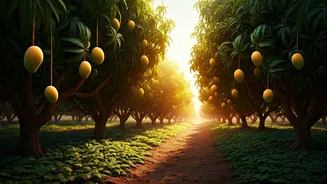
Just outside Lucknow lies the engine room of its mango empire: the town of Malihabad. Designated as a "Geographical Indication" zone for its unique mangoes, this sprawling 75,000-acre belt is a sea of orchards, some with trees that are centuries old. Malihabad isn’t a modern, industrial farming operation; it’s a tapestry of family-owned groves passed down through generations. For the growers here, mango cultivation is more than a livelihood—it's a sacred trust. They speak of their trees with the intimacy of family, understanding the unique character of each one. The most famous of these is the legendary "Mother Tree," a 300-year-old Dussehri tree that is said to be the origin point for one of the world's most beloved mango varieties, still producing fruit to this day.
Meet the Stars of the Show
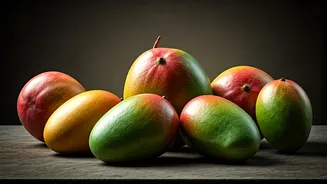
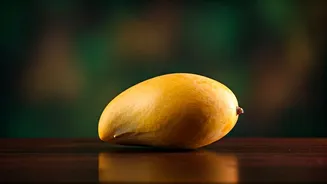
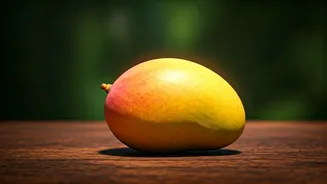
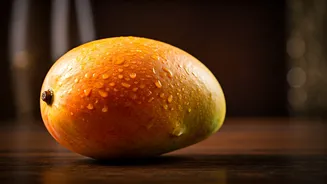
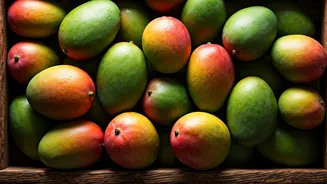
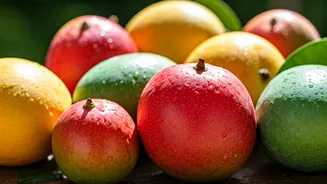
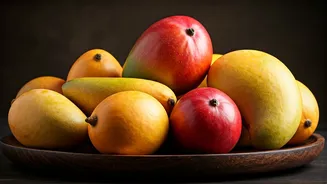
While the world market is dominated by a few hardy, travel-friendly mango varieties, Lucknow’s fame rests on its connoisseur-grade cultivars. The undisputed king is the Dussehri. Slender, golden-yellow, and intoxicatingly fragrant, it’s known for being fiberless, with a flavor so intensely sweet and rich it’s often described as mango nectar. Then there’s the Chausa, a late-season variety with incredibly soft, sweet pulp and a distinctive aroma, often enjoyed by simply squeezing the fruit until the contents can be drunk directly from the top. The Langra, with its slight citrusy tang and a unique greenish skin even when ripe, offers a completely different but equally addictive flavor profile. These aren't just different kinds of mangoes; they are distinct culinary experiences, each with its own loyal following and specific season.
More Than Just a Fruit
In Lucknow, the arrival of mango season from May to August transforms the city's social life. It's a time of celebration and indulgence. Families host "mango parties," where crates of the fruit are the main event, and guests spend hours eating, comparing notes, and debating the merits of their favorite varieties. The fruit permeates every aspect of cuisine, from tangy unripe mango pickles (achar) and drinks (aam panna) to rich desserts and even savory curries. Poets have written odes to the mango, and its presence is a cultural touchstone that signals the peak of summer. This deep, joyful integration into daily life is what truly solidifies Lucknow's claim. It’s not a capital of export or tonnage, but a capital of culture, history, and pure, unadulterated passion for the king of fruits.