







First Off, What Is Passport 'Power'?
Before we dive into the debate, let’s get on the same page. When people talk about a passport's 'power,' they're almost always referring to a ranking like the Henley Passport Index. This isn't about the passport's cool eagle design or fancy security features.
It’s a straightforward, if brutal, measure of one thing: visa-free travel. The index ranks passports based on the number of countries a holder can enter without needing to apply for a visa beforehand. A high rank means you can spontaneously book a flight to dozens of destinations. A low rank means your travel plans are often preceded by weeks of paperwork, embassy appointments, and anxious waiting. The index uses data from the International Air Transport Authority (IATA) and is updated throughout the year, making it a closely watched barometer of a nation's diplomatic clout and its citizens' global mobility.
So, Where Does India Stand?
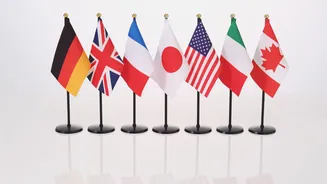
India's passport rank tends to hover in the 70s and 80s. In early 2024, for instance, it sat at 85th, granting its citizens visa-free or visa-on-arrival access to 62 countries. While the specific rank fluctuates, the neighborhood stays roughly the same. This puts India in a middling tier globally. The list of visa-free destinations for Indian citizens includes beautiful and interesting places like Thailand, Indonesia, Mauritius, Qatar, and Kenya. However, it notably excludes the most sought-after destinations for tourism, business, and education: the United States, the United Kingdom, Canada, and the Schengen Area of Europe. For access to those, Indian travelers face a notoriously cumbersome, expensive, and often uncertain visa application process. For comparison, top-ranked countries like France, Japan, and Singapore offer their citizens access to over 190 countries, making last-minute international travel a seamless reality.
The Dinner Table Debate: Pride vs. Frustration
This is where the headline comes to life. For India's booming middle and upper-middle classes, the passport ranking is a source of perennial discussion and deep-seated cognitive dissonance. On one hand, there's a sense of pride. The country has made significant economic strides, becoming the world's fifth-largest economy and a major player in tech and business. The diaspora is successful, and its culture has a growing global footprint. So why, many ask, does their passport not reflect this newfound stature? The frustration is palpable. An Indian software executive earning a top-tier salary has to jump through the same, if not more, bureaucratic hoops to attend a conference in Berlin as someone from a much smaller economy. Planning a family vacation to Italy involves a mountain of documents, from bank statements to employment letters, with no guarantee of approval. This gap between national ambition and individual limitation is what makes the passport rank a deeply personal and political issue.
It's More Than Just a Vacation
The conversation isn't just about tourism. A passport's strength has profound implications for a country's economic and intellectual dynamism. For entrepreneurs, it can mean the difference between seizing a last-minute business opportunity abroad or missing out. For scientists and academics, it dictates their ability to collaborate with international peers at conferences. For students, it can add another layer of stress and uncertainty to their dreams of studying overseas. In a globalized world, a powerful passport is a lubricant for commerce, innovation, and soft power. While India has been actively negotiating for more visa-free arrangements, the process is slow and tied to complex diplomatic factors, including immigration policies, security concerns, and reciprocal agreements. The ranking, therefore, isn't just a travel inconvenience; it's a tangible barrier that can hinder the very global engagement the country's citizens aspire to.