






You're a Scientist, Not Just a Gardener
Modern urban farming is a far cry from a simple backyard plot. It’s a high-tech field where biology meets big data. Careers in vertical farming, hydroponics, and aquaponics require a deep understanding of controlled environment agriculture (CEA). Employees
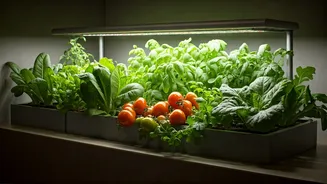
aren't just watering plants; they're technicians and data analysts monitoring nutrient levels, light spectrums, and CO2 concentrations to optimize growth. This creates a compelling blend for the intellectually curious: you get the satisfaction of nurturing living things, but you do it using cutting-edge technology, automation, and scientific principles. It’s a hands-on job that also engages your brain, solving complex biological puzzles in a fast-paced environment.
Your Work Has Visible Community Impact
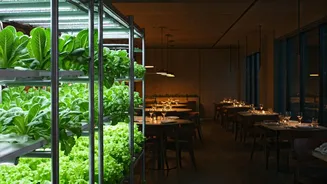
One of the most significant drivers of workplace dissatisfaction is the feeling that your job doesn't matter. Urban farming directly counters this. Whether you're managing a rooftop farm that supplies restaurants three blocks away or running a community garden in a food desert, your labor has a tangible, local impact. You are directly addressing issues like food security, nutrition access, and supply chain resilience. This provides a powerful sense of purpose that a corporate desk job often can't match. You can see the literal fruits of your labor on a neighbor's plate or in a local school's cafeteria, creating a profound connection between your daily tasks and the well-being of your community.
The 'Office' Is an Escape from the Cubicle
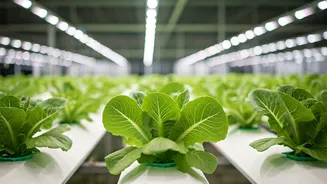
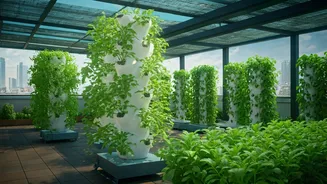
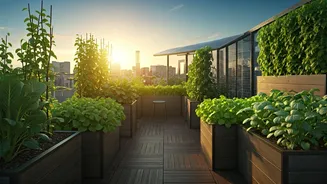
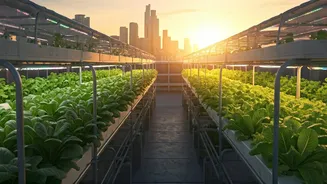
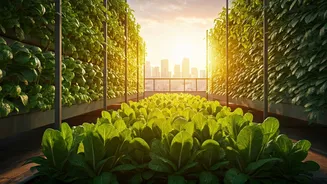
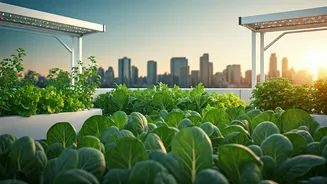
For many, the appeal is as simple as escaping the confines of a traditional office. An urban farming career redefines the workspace. Your 'office' might be a warm, humid vertical farm humming with pumps and LED lights, a sun-drenched greenhouse on a skyscraper's roof, or a repurposed shipping container buzzing with life. It’s a sensory-rich environment that connects you to the rhythms of living things, not the rhythm of Slack notifications. This daily dose of green, even indoors, is a powerful antidote to the burnout and monotony associated with staring at a screen all day. It’s a physically active job that offers a welcome alternative to a sedentary lifestyle.
You're Building a Greener Future
Working in urban agriculture means being on the front lines of sustainability. These operations often use a fraction of the water and land required by traditional farming, eliminate long-haul transportation emissions, and can reduce pesticide use. By growing food where people live, urban farms are a key part of the solution to building more resilient, self-sufficient cities. For professionals passionate about environmental issues, this isn't just a job; it's a form of activism. You are actively contributing to a more sustainable food system, helping to reduce waste, and educating the public about where their food comes from. The mission is embedded in the work itself.
It Offers a Diverse and Growing Skill Set
The urban farming industry isn't just for people with a horticulture degree. The sector needs a wide range of talent, offering multiple entry points and career paths. There are roles for operations managers who oversee logistics, marketers who build relationships with chefs and grocers, and community outreach coordinators who run educational programs. Technicians with skills in plumbing, electrical systems, and software are in high demand. This diversity of roles means you can find a niche that matches your existing skills while developing new ones in a burgeoning industry. As cities continue to invest in local food systems, these green skills are becoming increasingly valuable and transferable.