



The Geographic Anomaly
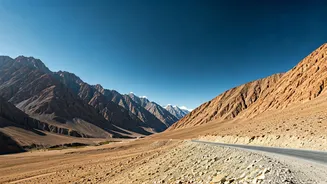
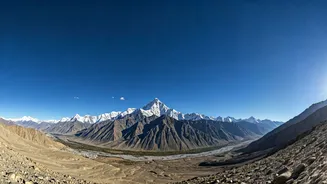
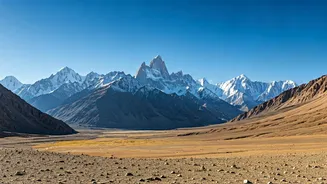
The secret to Leh's sublime summer weather lies in its location. Tucked away in the northern Indian region of Ladakh at an elevation of over 11,500 feet, Leh sits in a rain shadow. The towering Himalayan ranges to the south act as a massive barrier, blocking
the moisture-laden monsoon clouds that soak the Indian subcontinent from June to September. While cities like Mumbai and Delhi are grappling with humidity and torrential rain, Leh is enjoying its peak season. Imagine sunny days with temperatures hovering comfortably in the 70s Fahrenheit, perfect for exploring, and cool, crisp nights that require a cozy jacket. It’s an entirely different world, a slice of Tibet-like high-altitude desert dropped into the Himalayas, offering a climate that feels more like a perfect Colorado summer than a typical South Asian one.
Otherworldly Landscapes Await
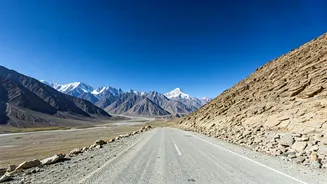
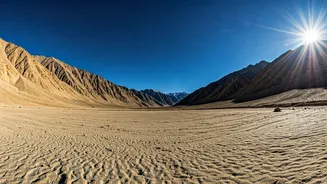
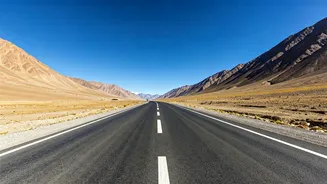
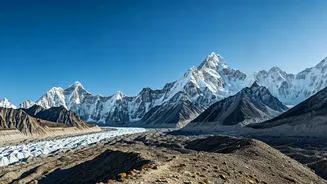
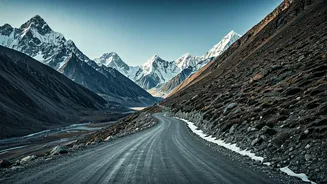
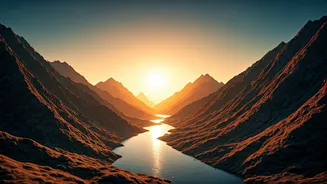
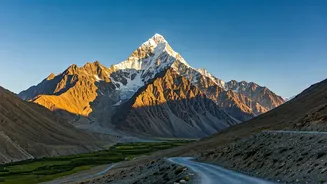
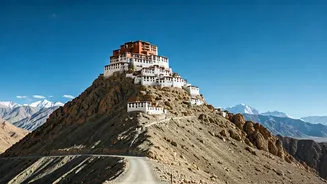
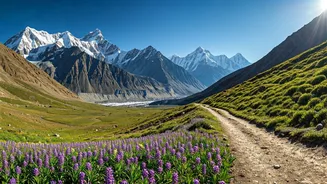
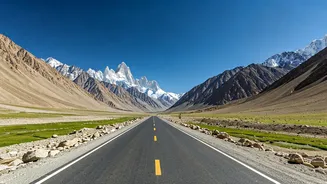
The dry, clear weather opens up a world of breathtaking scenery that is often obscured elsewhere during this season. Leh is the gateway to some of the most surreal landscapes on Earth. A short drive takes you to ancient Buddhist monasteries, or gompas, that cling precariously to rocky cliffs. The iconic white-domed Shanti Stupa offers panoramic views of Leh town and the surrounding Stok mountain range. For the more adventurous, the region is a visual feast. You can drive over Khardung La, once touted as the world's highest motorable pass, into the Nubra Valley, where you’ll find sand dunes and double-humped Bactrian camels against a backdrop of snow-capped peaks. Or make the pilgrimage to the stunning Pangong Tso, a massive high-altitude lake whose waters shift from turquoise to deep blue with the passing sun. It’s the kind of epic, wide-open scenery that makes you feel small in the best way possible.
Culture, Cafes, and Acclimatization
Leh itself is a vibrant hub of Ladakhi and Tibetan culture, mixed with the buzz of international travelers. The main bazaar is a bustling marketplace filled with shops selling everything from intricate prayer flags and silver jewelry to high-quality pashmina shawls. Interspersed between the shops are dozens of cozy cafes and rooftop restaurants serving everything from traditional thukpa (noodle soup) and momos (dumplings) to surprisingly good espresso and wood-fired pizza. But while you're spared the chaos of the monsoon, there is one challenge you can't ignore: the altitude. Landing in Leh means you’ve instantly gained over 11,000 feet. The key to a successful trip is to take it easy. The cardinal rule is to do nothing for the first 24-48 hours. Drink plenty of water, avoid alcohol, and allow your body to acclimatize before heading out on any strenuous excursions. It's a mandatory pause that forces a slower, more mindful pace of travel.
Planning Your High-Altitude Escape
The best time to visit Leh is from late May to early September. The easiest and most popular way to get there is by flying into Leh’s Kushok Bakula Rimpochee Airport (IXL), which has daily flights from Delhi and other major Indian cities. The flight itself is a spectacle, offering jaw-dropping views of the Himalayas. Alternatively, for the truly adventurous, there are two overland routes: the Manali-Leh Highway and the Srinagar-Leh Highway. Both are epic road trips but are only open for a few months a year and require more time. For travel to restricted areas like the Nubra Valley and Pangong Lake, foreign nationals will need to obtain an Inner Line Permit (ILP), which can be easily arranged through a local travel agent in Leh upon arrival. Booking flights and accommodations in advance is highly recommended, as this is peak season for the region.