


Reclaim Your Precious Floor Space
The most immediate and transformative benefit of a vertical garden is the space it frees up. In a studio or one-bedroom apartment, every square foot counts. Traditional potted plants can quickly clutter floors, windowsills, and tabletops, making a small
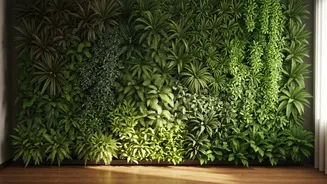
room feel even more cramped. By mounting your garden on a wall, you move that greenery into unused vertical real estate. This allows you to have a dozen plants in the same footprint that one large floor pot would occupy. It’s a game-changer for maximizing your living area while still indulging your inner botanist, turning a blank wall into the lush oasis you thought you didn't have room for.
Create a Living Work of Art
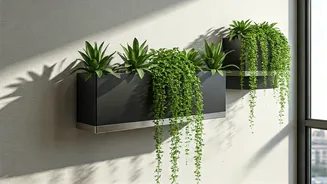
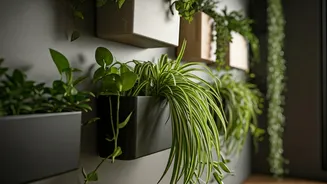
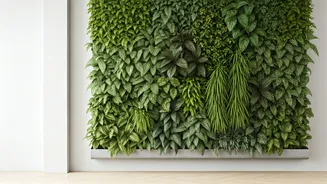
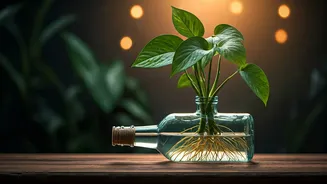
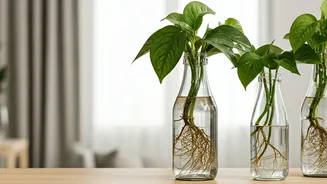
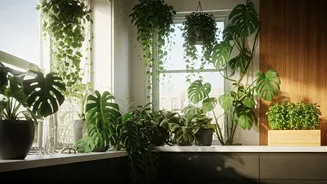
A well-designed wall planter is more than just a space-saver; it’s a dynamic piece of decor. Forget static posters or paintings—a living wall becomes a focal point that changes and grows over time. You can create stunning visual effects by arranging plants with different colors, textures, and growth habits. Imagine a cascade of silvery Pothos, the bold leaves of a Philodendron, and the delicate fronds of a fern all arranged in one beautiful tapestry. It adds a layer of organic texture and natural beauty that can soften modern interiors and make any room feel more welcoming and alive. It’s an art installation that you get to curate and nurture.
Grow an Indoor Edible Garden
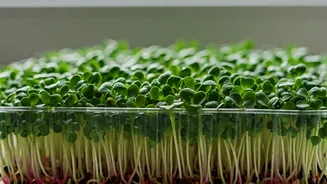
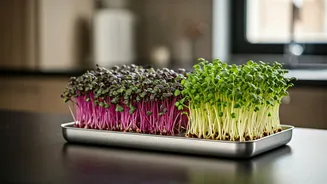
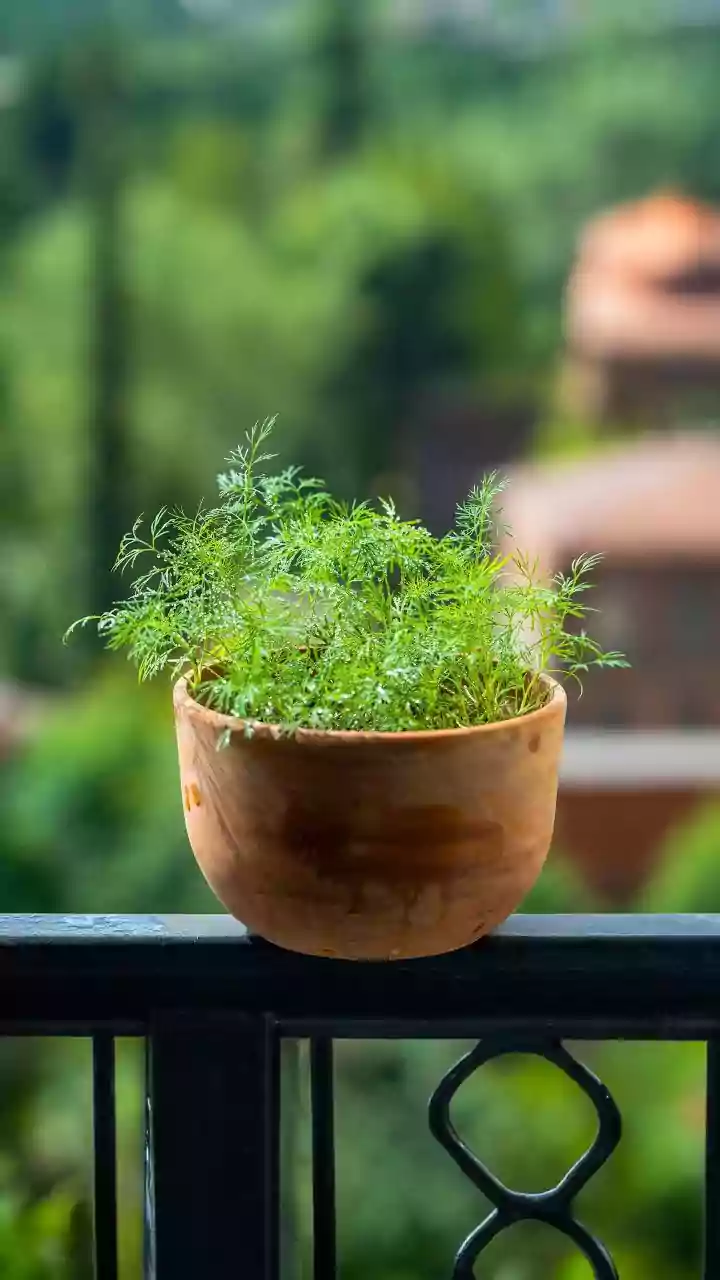
Vertical gardens aren't just for decorative houseplants. With adequate light—either from a sunny window or a simple grow light—you can cultivate a surprisingly productive kitchen garden right on your wall. Pocket-style planters are perfect for growing a variety of herbs like basil, mint, parsley, and cilantro. You can have fresh ingredients at your fingertips, saving money and reducing waste. Some systems are even deep enough for shallow-rooted edibles like leaf lettuce, spinach, and strawberries. Having a fresh, homegrown harvest is a luxury that vertical planters make accessible, even without a backyard or balcony.
Find the Right System for You
The market for vertical planters has exploded, offering a style for every need and aesthetic. The most common types include: felt pocket planters, which are lightweight and great for herbs; modular stacking systems, where individual pots click together to create a customized wall; and rail systems, which let you hang standard pots from a wall-mounted bar. Some higher-end models come with built-in irrigation, wicking water from a reservoir to each plant, which drastically reduces maintenance. Before buying, consider the weight, the installation method, and the size of the plants you want to grow. Start small to learn what works best for your space and your routine.
Consider the Practicalities: Light and Water
A successful living wall depends on two key factors: light and water. Before you install anything, assess the light on your chosen wall. A south-facing wall might be great for sun-loving succulents, while a shadier spot is better for ferns and Pothos. If natural light is low, a simple clip-on or stick-on LED grow light can make almost any wall viable. Watering is the next challenge. Some systems have poor drainage, which can lead to root rot. Look for models that either have drainage holes or are made from breathable material like felt. To avoid drips, take the planter down to water it in the sink, or place a towel on the floor and water carefully with a long-spouted can.
Make It Renter-Friendly
Worried about drilling holes and losing your security deposit? You don't have to. Many vertical gardening solutions are perfect for renters. Freestanding vertical planters and ladder-style plant stands offer the same space-saving benefits without touching the walls. For lightweight pocket planters, you can use several heavy-duty, removable adhesive hooks instead of screws. Another brilliant hack is to use a tension rod—the kind used for shower curtains—installed between two walls or inside a large window frame. You can then hang lightweight pots or small planters from the rod, creating a floating garden with zero damage.