








The Old Monsoon Gamble
For decades, traveling during a monsoon season—whether in Southeast Asia or the American Southwest—was a roll of the dice. You booked an off-season flight, drawn by lower prices and fewer tourists, and hoped for the best. The reality was often a vacation
dictated by the whims of the sky. A full day of torrential rain could wash out a planned trek to a temple, close roads, and confine you to your hotel room with little warning. Traditional weather reports offered vague guidance at best: “80% chance of rain” could mean a brief afternoon shower or a day-long deluge. Planning was futile. Travelers either had to be endlessly flexible or deeply frustrated, watching their carefully laid itineraries dissolve in a muddy puddle. This unpredictability is what gave monsoon travel its chaotic reputation, making it the exclusive domain of backpackers with time to spare and those willing to gamble their precious vacation days.
From Guesswork to Granular Data
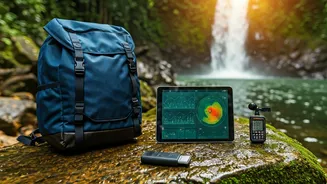
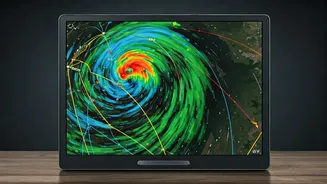
The game has fundamentally changed, not because the weather is different, but because our understanding of it is. The same technological leaps that power your rideshare app and instant navigation have been applied to meteorology, with profound effects for travelers. We've moved from generalized, regional forecasts to hyper-local, minute-by-minute predictions. Advanced satellite networks, sophisticated computer modeling, and a proliferation of ground-based weather stations feed data into powerful algorithms. The result? A new generation of weather apps and services that can tell you not just *if* it will rain today, but *when* it will start, how intense it will be, and when it will stop, often with startling accuracy for the next one to two hours. This granular data transforms rain from an unpredictable trip-wrecker into a manageable event you can plan around.
Mastering the 'Rain Window'
This new forecasting power gives travelers a crucial tool: the ability to identify and use “rain windows.” Instead of canceling a day’s activities, you can now structure your time around the predicted weather. That 90-minute downpour forecast for 2 p.m.? That’s your cue to book a long lunch, visit an indoor museum, get a massage, or take a cooking class. The forecast for clear skies from 8 a.m. to 1 p.m.? That’s your prime window for visiting the sprawling archaeological site or hitting the beach. A savvy traveler can start their day by checking a hyper-local forecast and build a flexible itinerary. The goal is no longer to avoid the rain entirely—which is impossible—but to strategically work around it. This approach minimizes downtime and maximizes enjoyment, replacing the feeling of being trapped with a sense of control and smart planning. It turns the weather from an adversary into a simple logistical challenge to be solved.
Embracing the Monsoon Mindset
While technology is a powerful ally, a successful monsoon trip still requires the right mindset and preparation. Even the best forecast is a probability, not a promise. Embrace flexibility as your core principle. Beyond the app, pack smart. Lightweight, quick-drying clothes are essential. Forget the heavy-duty rain jacket; a breathable, waterproof shell is far more practical in humid climates. Invest in a reliable waterproof bag or dry sack for your electronics and important documents. When it comes to getting around, be aware that heavy rains can still cause localized flooding or traffic snarls, so it's wise to build extra time into your travel plans. But the rewards for this preparation are immense. You’ll witness landscapes at their most vibrant and green, enjoy major tourist sites with a fraction of the peak-season crowds, and benefit from significantly lower prices on flights and accommodations. The rain is part of the experience, creating dramatic skies, cooling the air, and offering a glimpse into the rhythm of local life.