



A Land of Lunar Landscapes
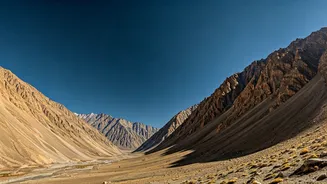
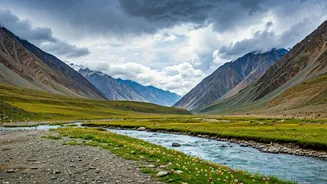
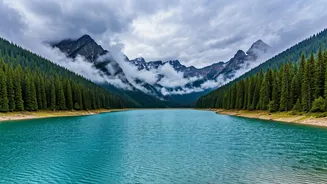
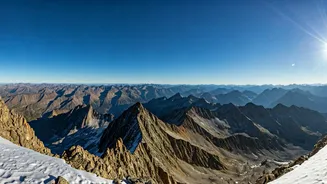
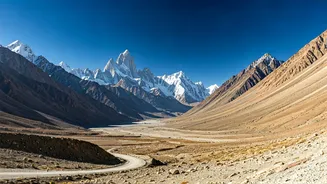
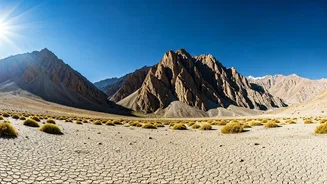
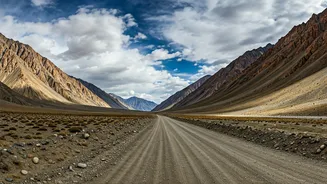
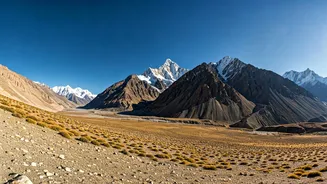
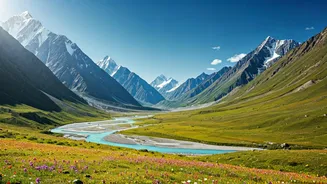
Imagine a place in India without the vibrant chaos, tropical greenery, or sweltering humidity that often defines it in the popular imagination. Instead, picture a high-altitude desert of barren, brown mountains, deep gorges carved by a turquoise river,
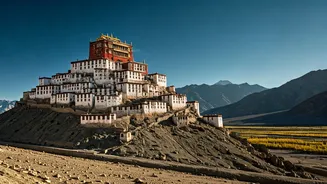
and whitewashed monasteries clinging precariously to cliffsides. This is Spiti Valley. Tucked away in the northeastern corner of the Indian state of Himachal Pradesh, Spiti is a world unto itself. Its name translates to "The Middle Land," reflecting its geographical position between Tibet and India. The landscape is so stark and otherworldly, it's often compared to the surface of the moon or the high plateaus of Tibet, with which it shares a deep cultural and religious heritage. The air is thin, the sun is sharp, and the silence is profound, broken only by the wind or the distant chime of a monastery bell.
The Great Himalayan Rain Shield
So, how can this place exist in a country famous for having some of the wettest places on Earth? The answer lies in one of geography’s most dramatic phenomena: the rain shadow effect. The Indian monsoon is a massive weather system that picks up enormous amounts of moisture from the Indian Ocean. As these moisture-laden clouds travel north across the subcontinent, they eventually run into the world’s most formidable barrier: the Himalayas. The mountains act like a colossal wall. The clouds are forced to rise, and as they ascend, they cool and condense, dumping their water as torrential rain on the southern, windward slopes. This is why places like Mumbai get drenched. But by the time the air mass crests the main Himalayan range, it has lost nearly all its moisture. This dry, descending air flows over the northern side of the mountains, creating an arid desert climate. Spiti Valley lies squarely in this rain shadow, protected from the monsoon by the very peaks that define its horizon.
Life in the Shadow of the Peaks
Living in a cold desert over 12,000 feet above sea level requires incredible resilience. The culture of Spiti is shaped by its harsh environment and its proximity to Tibet. The population is sparse, and life revolves around ancient Buddhist traditions. The valley is dotted with some of the oldest monasteries in the world, like Tabo and Key, which serve as the spiritual and social centers of the community. With only a few inches of precipitation a year, agriculture is a challenge. Farmers rely on meltwater from glaciers and snowfields to irrigate small plots of land, where they grow hardy crops like barley and green peas. The short summer season is a frantic period of activity, as residents must grow and store enough food to last through the long, harsh winter, when heavy snowfall can cut the valley off from the rest of the world for months.
A Fragile, Discovered Paradise
For years, Spiti’s remoteness kept it isolated. Today, however, its raw beauty and unique culture are attracting a growing number of adventure travelers and spiritual seekers from around the globe. This influx presents a classic double-edged sword. Tourism brings much-needed income and economic opportunity to a remote region, but it also puts pressure on the fragile ecosystem and traditional way of life. The very climate that makes Spiti unique is also under threat. Climate change is altering weather patterns globally, and in the Himalayas, it's causing glaciers to recede at an alarming rate. These glaciers are the lifeblood of Spiti, providing the water that sustains its agriculture and communities. The future of this high-altitude haven depends on a delicate balance between preserving its ancient character and adapting to the pressures of the modern world.