

Why Flowers Trump Heat Fatigue
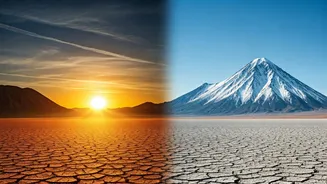
The appeal is simple and powerful. While traditional summer destinations bake under triple-digit temperatures, high-altitude trails often hover in the comfortable 60s and 70s. This shift isn't just about avoiding sweat; it's about trading oppressive heat
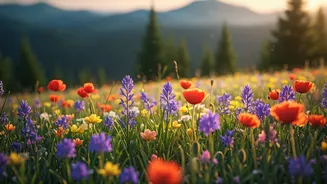
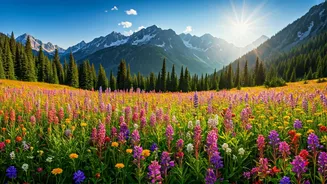
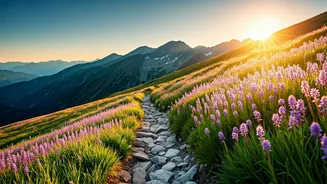
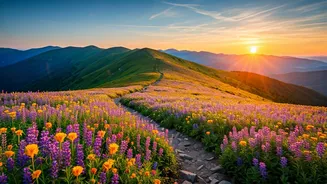
for an active, rejuvenating experience. Instead of retreating indoors to air-conditioning, travelers are finding that alpine air and the visual feast of a 'superbloom' can refresh the mind and body. The goal is no longer just to escape work, but to escape the exhaustion of a relentlessly hot climate. These floral havens offer a sensory swap: the drone of an AC unit for the buzz of bumblebees, the glare of hot pavement for a carpet of color.
Crested Butte, Colorado: The Wildflower Capital
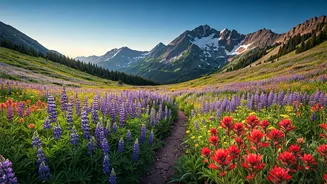
There’s a reason this Rocky Mountain town is officially designated the 'Wildflower Capital of Colorado.' Every July, the valleys and slopes around Crested Butte erupt in a riot of color. The area is a living botanical garden, featuring over 50 species of wildflowers, including vibrant red Indian paintbrush, deep purple lupine, and the iconic state flower, the columbine. Trails range from gentle strolls along the Lupine Trail to challenging high-alpine hikes like the trek to Rustler Gulch. With the town sitting at nearly 9,000 feet, the cool, crisp mountain air is a welcome shock to the system for anyone arriving from the sun-scorched plains. The annual Crested Butte Wildflower Festival in July offers guided hikes, photography classes, and workshops, making it the perfect entry point for budding floral enthusiasts.
Mount Rainier National Park, Washington: Paradise in Bloom
The name of this park's most famous area says it all: Paradise. From mid-July to August, the subalpine meadows on the southern slope of Mount Rainier transform into one of the most breathtaking floral displays in the country. Against the staggering backdrop of the 14,410-foot, glacier-clad volcano, fields of avalanche lilies, magenta paintbrush, and blue lupine blanket the landscape. The Skyline Trail Loop is the quintessential hike here, offering jaw-dropping views at every turn. Because of the park's elevation and northern latitude, summer temperatures are pleasantly mild, making it an ideal escape from the heatwaves that can grip the Pacific Northwest. It's a place where you can feel the chill of ancient glaciers while standing in a field of impossibly vibrant flowers.
Glacier National Park, Montana: Going-to-the-Sun Scenery
While famous for its namesake glaciers, this Montana jewel is also a premier destination for wildflower seekers. After the legendary Going-to-the-Sun Road is fully plowed and opened in late June or early July, the park's high-country meadows burst into life. The area around Logan Pass is a must-see, with the Hidden Lake Overlook Trail offering a relatively easy walk through fields of glacier lilies and beargrass—a unique plant with a tall stalk and a fluffy white bloom. The park's ecosystem is a testament to resilience, as flowers push through soil just recently freed from snow. The air is bracingly cool, a stark contrast to the summer heat just a few thousand feet below, reminding visitors of the powerful, refreshing beauty of the northern Rockies.
Shenandoah National Park, Virginia: An Appalachian Bloom
You don't have to go out West to find a floral escape. The Blue Ridge Mountains offer their own stunning, if more subtle, wildflower season. Shenandoah National Park, with its famous Skyline Drive, comes alive from late spring into early summer. While the peak season is a bit earlier than the high-alpine blooms of the Rockies, the park's higher elevations stay significantly cooler than the surrounding Virginia piedmont. In June, you can find mountain laurel and dazzling pink and orange azaleas lining the trails. Hikes to spots like Stony Man or Hawksbill Summit provide not only panoramic views but also a chance to see diverse flora thriving in the temperate mountain climate. It’s a perfect, accessible option for East Coasters looking to trade humidity for altitude and asphalt for petals.