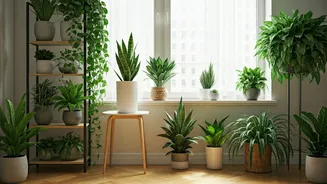


For the Dark, Moody Corner: The Snake Plant
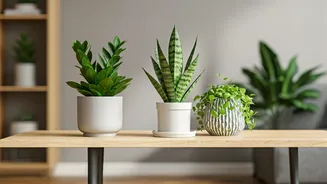
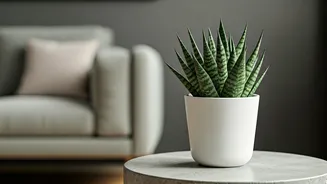
Not every corner is blessed with a sunbeam. For those dimmer, more challenging spots, the Sansevieria trifasciata, or Snake Plant, is a design superhero. Its stiff, upright leaves provide a strong vertical element that draws the eye upward, making a space
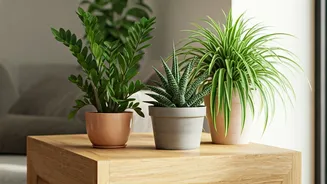
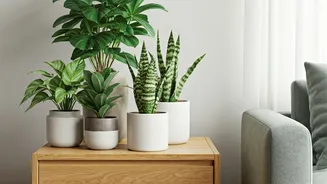
feel taller. More importantly, it’s famous for its tolerance of low-light conditions. While it appreciates a bit of sun, it will happily survive in the shadier parts of a room where other plants would wither. It’s also incredibly forgiving. Snake Plants thrive on neglect, requiring water only when the soil is completely dry—sometimes as little as once a month. This makes it the perfect starter plant for anyone convinced they have a “black thumb.” Place one in a minimalist ceramic pot for a modern look, and watch that forgotten corner become a quiet, architectural statement.
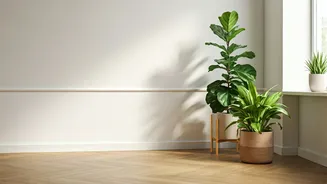
For the Empty Vertical Space: The Fiddle Leaf Fig
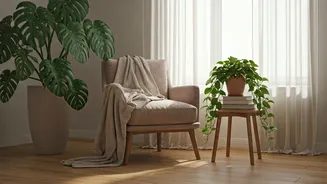
Sometimes a corner doesn’t just feel tired; it feels cavernously empty. This is where you need to think big and go vertical. Enter the Ficus lyrata, the beloved Fiddle Leaf Fig. For years, this plant has been an interior design darling for a reason: its large, violin-shaped leaves and tree-like stature create an instant focal point. A single Fiddle Leaf Fig can fill a void, adding texture, shape, and a sense of lushness that no piece of furniture can replicate. It acts as living sculpture. While notoriously finicky, the key is consistency. Find a spot with bright, indirect light (like near a window but not in the direct sun), water it thoroughly when the top inch of soil is dry, and then—most importantly—leave it alone. Don't move it, don't fuss with it. Once it acclimates, it will reward you with growth that turns an empty corner into a vibrant, stylish vignette.
For the Shelf or Ledge: The Trailing Pothos
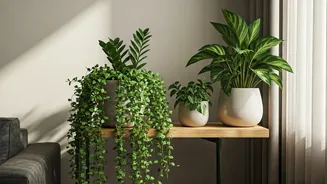
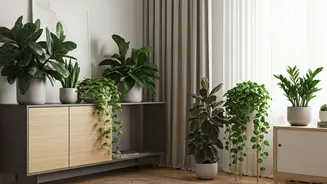
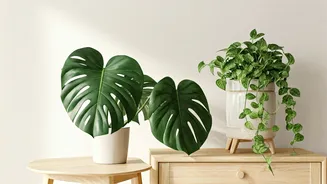
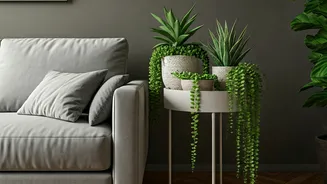
Corners aren’t always on the floor. Think about the tops of bookshelves, the edge of a media console, or a floating wall shelf. These are prime locations for a plant that brings movement and grace. The Golden Pothos (Epipremnum aureum) is the undisputed champion of trailing plants. Its heart-shaped leaves, often variegated with yellow or white, grow on long, cascading vines that can be left to hang freely or trained to climb. A Pothos spilling over the edge of a high shelf creates a beautiful waterfall effect, softening hard lines and adding a dynamic, organic feel. It’s also one of the easiest plants to care for. It tolerates a wide range of light conditions (from low to bright, indirect) and will visually tell you when it’s thirsty by slightly drooping. For maximum impact, let its vines grow long to connect the shelf to the space below.
For a Pop of Unexpected Color: The Calathea
While green is the classic color of plant life, some corners beg for a little more pizzazz. If you want to introduce pattern and color, look no further than the Calathea family, also known as prayer plants. Varieties like the Calathea ornata (Pinstripe Plant) or Calathea makoyana (Peacock Plant) boast stunning foliage with intricate patterns of pink, white, and deep purple against a backdrop of green. These plants are true works of art. They famously fold their leaves up at night, resembling praying hands, and lower them during the day, adding a subtle sense of daily motion. Calatheas prefer medium, indirect light and high humidity, making them a great choice for a brighter corner in a bathroom or kitchen. They require more attention than a Snake Plant, but the visual payoff is immense, turning a dull spot into a conversation starter.
For a Bold, Tropical Statement: The Monstera Deliciosa
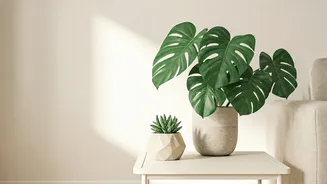
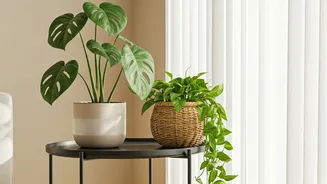
If your design mantra is “go big or go home,” then the Monstera Deliciosa is your plant. Its iconic, fenestrated (split) leaves are instantly recognizable and evoke a feeling of a lush, tropical jungle. A mature Monstera can command a room, its sprawling leaves creating dramatic shadows and a powerful sense of life. It’s the perfect solution for a large, empty corner in a living room or entryway where you want to make a definitive statement. Despite its exotic appearance, it’s relatively easygoing. It needs bright, indirect light to develop its signature splits and prefers for its soil to dry out slightly between waterings. Give it space to grow, and it will become the centerpiece of not just the corner, but the entire room.