




The End of the Road Warrior Myth
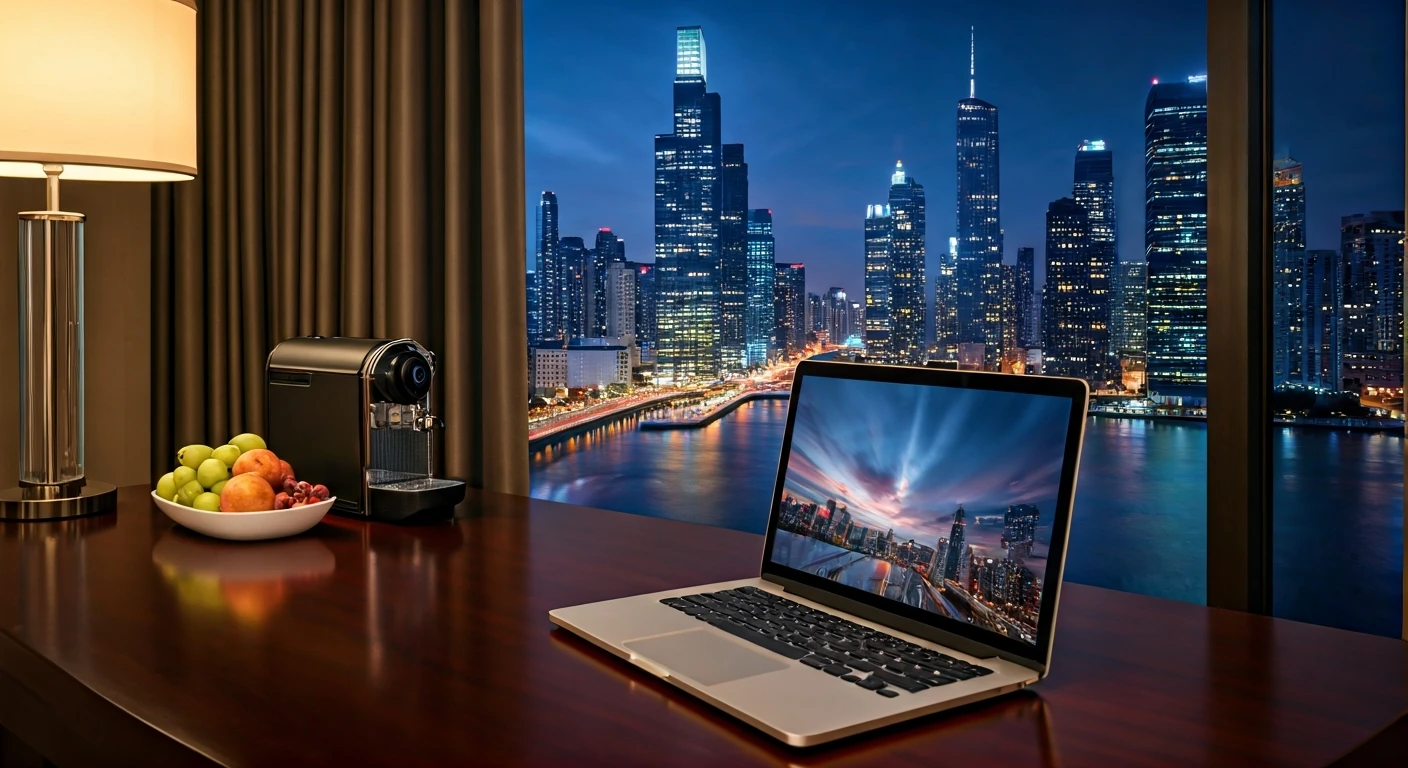
For decades, the ‘road warrior’ was a corporate archetype. This globetrotting employee thrived on red-eye flights, back-to-back meetings, and the quiet pride of accumulating loyalty points. Their trips were surgical strikes: fly in, close the deal, fly out.
The focus was purely on maximizing efficiency, often at the expense of the employee’s well-being. But the pandemic fundamentally changed our relationship with work. After two years of Zoom calls from the living room, the idea of sacrificing personal time and mental health for a cramped economy seat and a lonely hotel room lost its luster. Employees, now holding more power in a tight labor market, began questioning the old ways. The value proposition of business travel had to be redefined. If companies wanted their teams to connect in person, the reward had to be greater than the hassle.
From Business Trip to 'Bleisure' Break
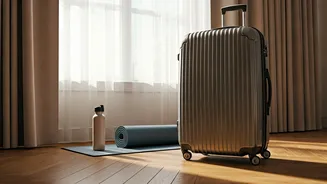
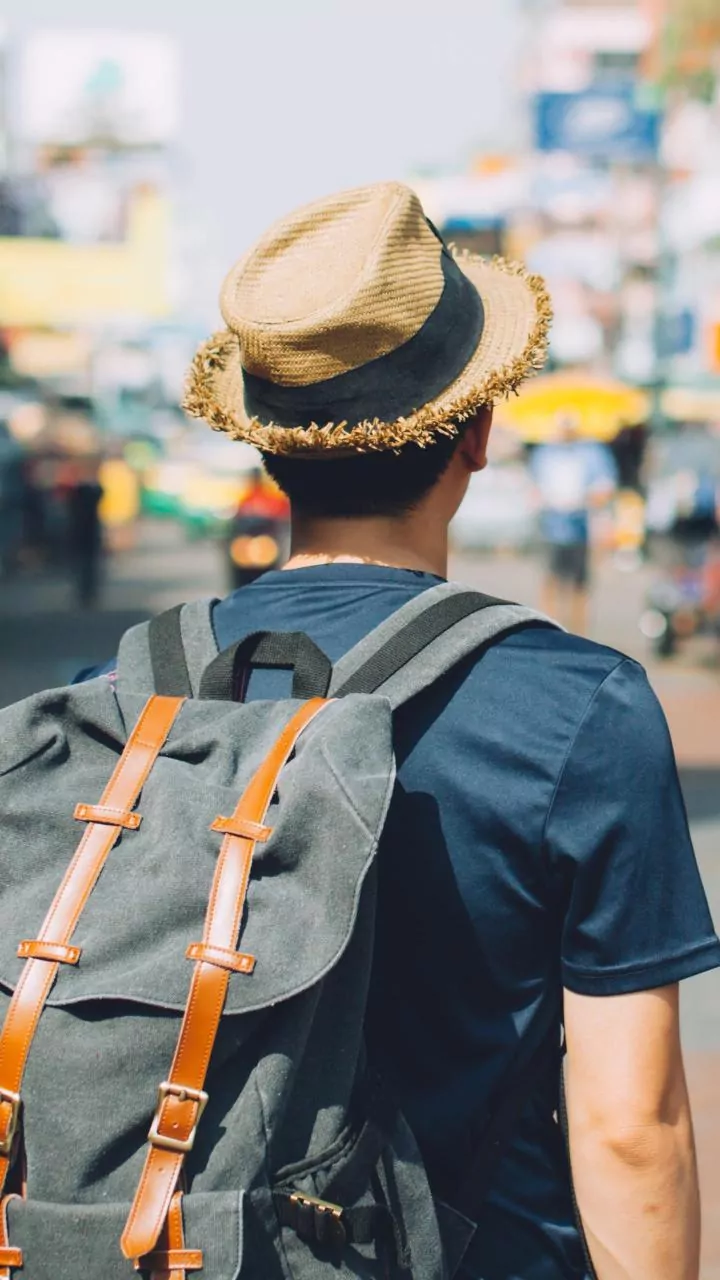
Enter ‘bleisure’—the increasingly popular portmanteau of business and leisure. It’s the formal term for what many are discovering intuitively: the blending of professional obligations with personal relaxation. A recent report from the Global Business Travel Association found that a significant majority of business travelers are now more interested in extending their trips for leisure than they were before the pandemic. But this trend is more than just tacking a personal vacation onto the end of a work trip. Companies are now proactively building wellness components *into* the official itinerary. Instead of a packed 9-to-5 schedule, a modern team offsite might feature morning yoga sessions, afternoon workshops followed by a group hike, or strategy meetings held in a resort setting that encourages downtime. The goal is no longer just to work, but to recharge, connect, and reward.
It's a Strategy, Not Just a Spa Day
Cynics might dismiss this as coddling, but smart companies see it as a powerful strategic tool. In the fierce war for talent, unique perks are a key differentiator. Offering travel that feels like a genuine benefit—rather than a necessary evil—can attract and retain top performers. It’s also a direct assault on burnout. A burned-out employee is an unproductive and disengaged one. By investing in trips that allow for genuine rest, companies are investing in the long-term mental health and productivity of their workforce. Furthermore, in a world of hybrid and remote work, these curated trips have become one of the most effective ways to build team cohesion and reinforce corporate culture. When colleagues share a sunset view after a day of brainstorming, the bond they form is far stronger than one forged over a glitchy video call.
What the New Work Trip Looks Like
So, what does this look like in practice? Forget the nondescript airport hotel. Companies are booking boutique hotels with wellness amenities, renting large homes in scenic locations, or organizing retreats at all-inclusive resorts. The agenda is intentionally less dense. A day might start with an optional group fitness class, followed by a few hours of focused work sessions. The afternoon could be reserved for a team-building activity that takes advantage of the location, like a cooking class in New Orleans, a ski run in Utah, or a boat tour in Miami. The evenings are for shared meals and unstructured social time, not forced networking events. The line between work and play is intentionally blurred to create an environment where creativity and collaboration can flourish organically. It’s about creating positive, memorable experiences that employees associate with their job.