
The Rejection of Hustle
Remember the 2010s? It was the era of the 'girlboss,' the side hustle that became the main hustle, and the pervasive belief that if you weren't grinding 24/7, you were falling behind. Millennials internalized this, turning passions into professions and burnout
into a badge of honor. Gen Z watched this happen and, by and large, seems to be saying: 'No, thank you.' Having come of age during a pandemic, economic uncertainty, and witnessing the mental health toll of relentless ambition, many are consciously opting out. This isn't laziness; it's a strategic reprioritization. They're seeking jobs that offer work-life balance, embracing concepts like 'quiet quitting' (doing the job you're paid for, and no more), and pushing back against the expectation that work should be the central pillar of one's identity. The new dream isn't a corner office achieved at the cost of your sanity, but a stable job that funds a life filled with peace and personal interests.
Redefining the Social Scene
The chaotic, alcohol-fueled social scene that defined youth for previous generations is also getting a quiet makeover. The 'sober curious' movement has found a strong foothold with Gen Z, many of whom are drinking less or not at all. Instead of crowded bars and loud clubs, the ideal gathering is often smaller, more intimate, and activity-based. Think board game nights, collaborative cooking, pottery classes, or simply watching a movie at home. This shift is driven by a few factors. First, there's a greater awareness of mental and physical health; the hangovers and 'hangxiety' just aren't worth it. Second, it's more budget-friendly in an economy where a single cocktail can cost $18. Finally, it fosters genuine connection over performative socializing. In a world of digital alienation, a quiet night in with close friends offers a level of intimacy that a shouting conversation in a packed venue simply can't.
An Aesthetic of Ease
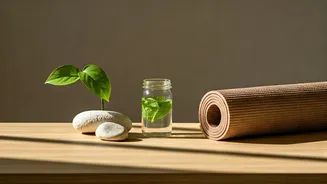
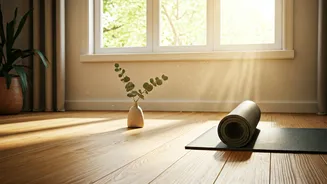
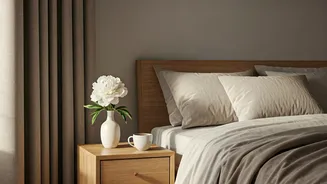
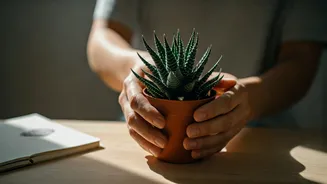
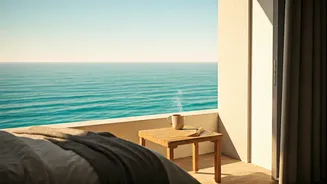
This preference for calm is mirrored in Gen Z's digital and physical aesthetics. The highly curated, impossibly perfect Instagram feeds of the past are giving way to something softer and more authentic. Trends like 'soft living' or 'slow living' celebrate simple pleasures: a morning cup of coffee, reading a book in a sunbeam, tending to houseplants, or taking a leisurely walk. Even fitness is getting a low-key rebrand with 'cozy cardio'—leisurely exercise on a walking pad while watching TV—and a focus on movement for joy rather than punishment. This isn't about giving up, but about finding contentment in the mundane. It’s a visual and philosophical rebellion against the pressure to constantly optimize, to have the most exciting vacation, the most chiseled body, or the most photogenic brunch. The new aspiration is a life that feels good, not just one that looks good online.
Calm as a Survival Strategy
Ultimately, this turn toward calm isn't just a fleeting trend; it’s a rational response to an overwhelming world. Gen Z is the first generation to grow up fully immersed in the digital age, with its endless news cycles, social pressures, and information overload. They've navigated a global pandemic during their formative years, face a precarious job market, and stare down the barrel of climate change. In this context, choosing chaos feels less like freedom and more like adding fuel to a fire. Calm, therefore, becomes a form of self-preservation. It’s about creating small pockets of peace and control in a world that often feels turbulent and unpredictable. By curating a quieter life, prioritizing rest, and setting firm boundaries, Gen Z isn't dropping out of society. They are building the emotional and mental fortitude needed to survive—and perhaps even thrive—within it.