








Redefining the Comfort Canon
For generations, the American definition of comfort food has been written in cheese, potatoes, and slow-braised meat. We have our casseroles, our pot roasts, and our creamy pastas—dishes that anchor us to a sense of home and nostalgia. But as our palates
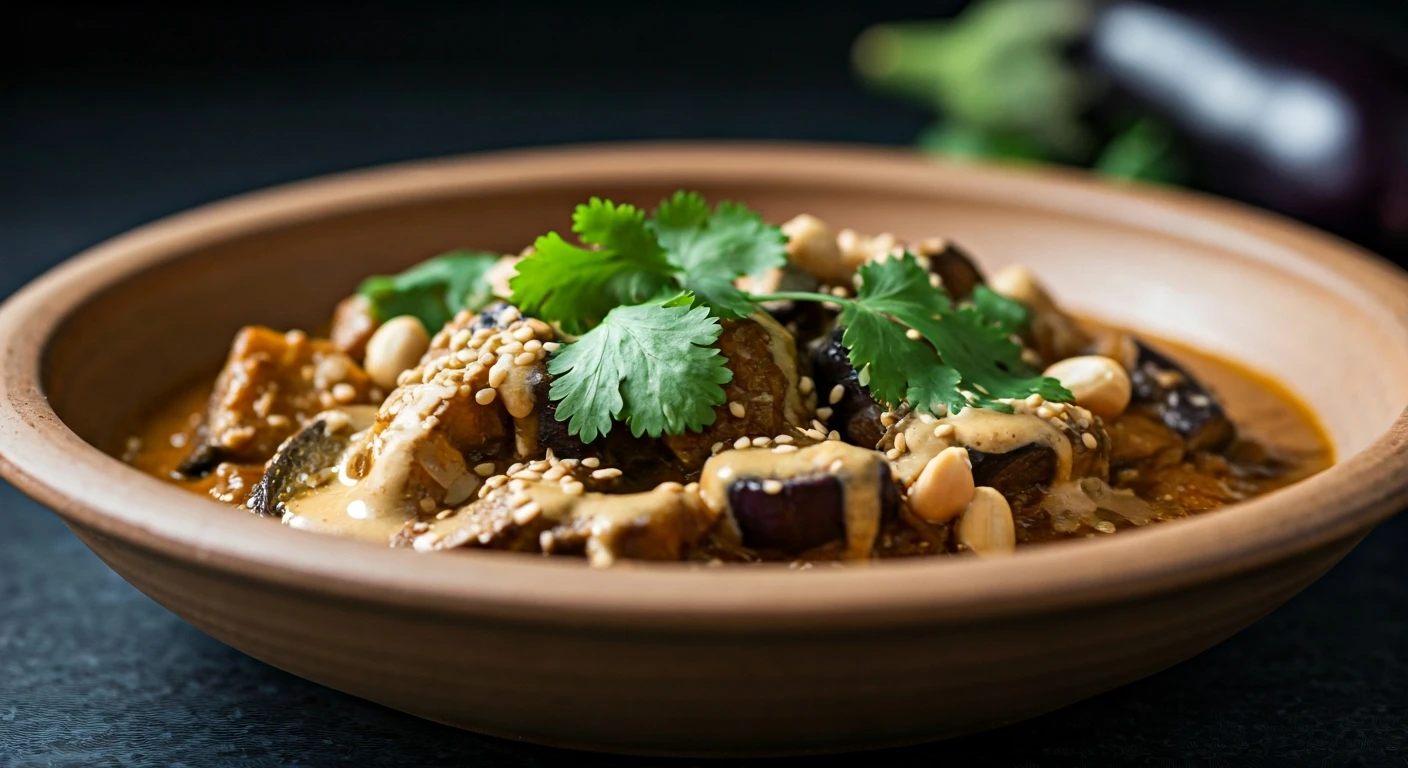
have grown and our pantries have diversified, the very definition of comfort is expanding. The ultimate comfort food is no longer just about recreating the past; it’s about creating new traditions that reflect our present. Enter the slow-simmered aubergine curry. It might not have been on your grandmother’s Sunday dinner rotation, but it possesses every quality of a classic comfort dish, updated for the modern family. It’s warm, rich, and deeply satisfying, but it also carries a whisper of the wider world, a gentle nudge out of the culinary rut. It’s a dish that feels both like a warm hug and an exciting discovery, proving that the most comforting meals can also be the ones that broaden our horizons.
The Transformative Power of Aubergine
Aubergine, or eggplant, is the unsung hero of the comfort food world. Often misunderstood and relegated to a handful of familiar preparations, it reveals its true, glorious potential when given time. The magic is in the slow simmer. As it gently bubbles away in a fragrant, spiced broth, the aubergine undergoes a complete transformation. Any hint of bitterness disappears, and its spongy texture melts into something impossibly creamy and decadent. Each piece becomes a small flavor bomb, having absorbed the surrounding sauce like a sponge. Unlike meats that need to be broken down, the aubergine yields softly, offering a luscious, almost buttery texture that is immensely satisfying without the heaviness of other rich foods. It provides body, heartiness, and a luxurious mouthfeel that forms the soulful base of the curry, making it substantial enough to be the star of the plate.
A Symphony of Sesame and Peanut
While the aubergine provides the texture, the sesame-peanut combination delivers the soul-stirring flavor. This isn't just a random pairing; it's a masterclass in culinary harmony. The peanut, often in the form of a natural butter or ground paste, creates a sauce with unparalleled richness and depth. It’s a flavor profile many Americans already love in dishes like Thai satay or certain West African stews—it’s nutty, savory, and faintly sweet, hitting all the right notes for a comforting base. But it’s the addition of sesame that elevates the dish to another level. Whether introduced as toasted oil, seeds, or tahini paste, sesame provides a toasty, earthy counterpoint to the creamy peanut. It cuts through the richness, adding a layer of aromatic complexity that keeps your palate engaged. Together, they create a savory, multi-dimensional sauce that clings to every morsel of the creamy aubergine, delivering a flavor that is both intensely comforting and surprisingly sophisticated.
Comfort in the Process
Perhaps the most compelling argument for this curry as the ultimate family comfort food lies in the cooking process itself. The term “slow-simmered” isn’t just about the finished product; it’s about the experience. In our fast-paced, efficiency-obsessed lives, a dish that requires a gentle, unhurried simmer is a radical act of self-care. This is not a frantic, 30-minute meal. It's a low-and-slow affair that fills your home with an incredible aroma for an hour or more, building anticipation and signaling that something special is happening. It's a largely hands-off process, giving you time to unwind, help with homework, or simply relax as the stove does the heavy lifting. By the time the family gathers, the meal is not just ready—the entire atmosphere of the home has been transformed. It’s comfort in the making as much as in the eating, a true gift to everyone at the table.