





1. Layer Your Greenery
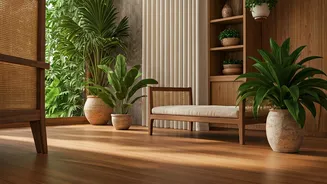
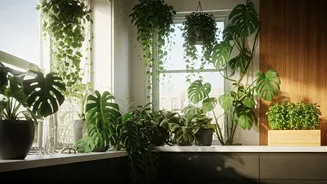
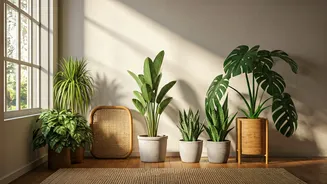
This is about more than a single succulent on a windowsill. Think in layers, just like a natural landscape. Start with a large, floor-standing plant like a fiddle-leaf fig or a bird of paradise to create a focal point. Add mid-level plants on stands or tables,
such as a snake plant or ZZ plant, which are famously low-maintenance. Finally, let trailing plants like a money plant (pothos) or string of pearls cascade from shelves or hanging baskets. Grouping plants of various sizes and textures creates a lush, immersive effect that mimics the diversity of nature and is a hallmark of green-filled urban balconies and living rooms from Mumbai to Bangalore.
2. Embrace Natural Materials
Move beyond plastic and laminates by incorporating materials that feel real to the touch. This principle connects directly to a rich tradition of Indian craftsmanship. Look for furniture made from rattan, cane, or light woods like mango or sheesham. Introduce terracotta pots for your plants, jute rugs for texture underfoot, and unbleached cotton or linen for curtains and cushion covers. These materials not only add visual warmth but also offer a tactile connection to the natural world, grounding your space and making it feel more authentic and lived-in.
3. Maximize Natural Light and Airflow
In many Indian cities, managing sunlight and airflow is an art form. You can adopt these principles anywhere. Swap heavy, dark curtains for sheer linen or cotton drapes that diffuse light beautifully while maintaining privacy. Strategically placed mirrors can also work wonders, bouncing light into darker corners and creating an illusion of spaciousness. Whenever possible, open your windows to invite fresh air and the ambient sounds of the outdoors—even if it’s just the distant city hum. This simple act creates a direct sensory link to the world outside your walls.
4. Incorporate a Water Element
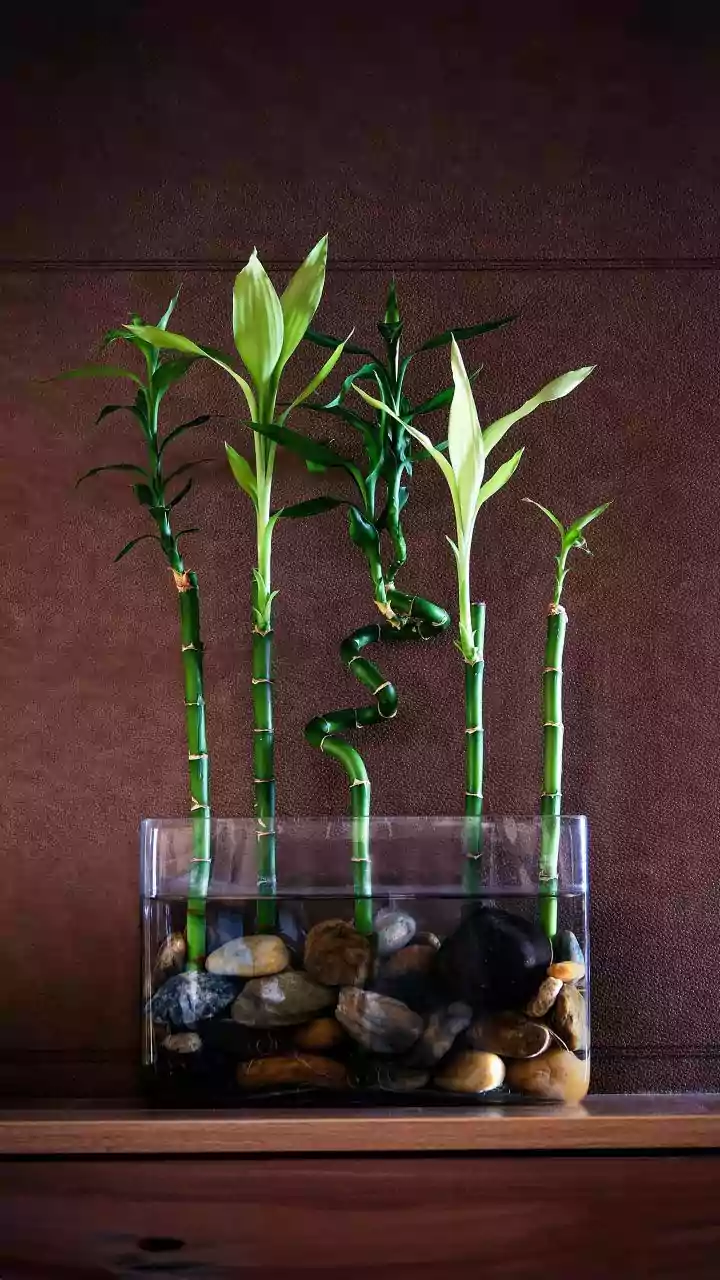
The presence of water has a proven calming effect on the human mind. While a full-blown indoor waterfall isn't practical for most, you can capture this essence on a smaller scale. A tabletop fountain provides the gentle, soothing sound of trickling water, which can help mask ambient noise and reduce stress. Even a simple glass vase filled with water and fresh-cut stems or floating petals can serve as a visual water element, offering a moment of tranquil reflection. It’s a subtle but powerful way to bring a core component of nature inside.
5. Use an Earth-Inspired Color Palette
Draw your color inspiration directly from the environment. Think about the colors of a forest floor, a sandy beach, or a dramatic sunset. Base your palette around soft greens, earthy terracotta, warm beige, and deep blues. These colors create a calming backdrop that allows your plants and natural materials to stand out. Use them on walls, in textiles, or through artwork. This approach moves away from sterile whites and grays, building a cohesive, nurturing environment that feels like a natural extension of the outdoors.
6. Celebrate Natural Patterns and Forms
Nature rarely moves in straight lines. Introduce curves and organic shapes to break up the rigid geometry of a typical room. This could be a round coffee table, an arched mirror, or a chair with soft, curved lines. Look for patterns inspired by the natural world—botanical prints on cushions, wallpaper with a subtle leaf motif, or abstract art that evokes landscapes. These non-rhythmic, organic forms are less fatiguing for the eye and brain, contributing to a sense of effortless calm and visual interest.
7. Engage with Natural Scents
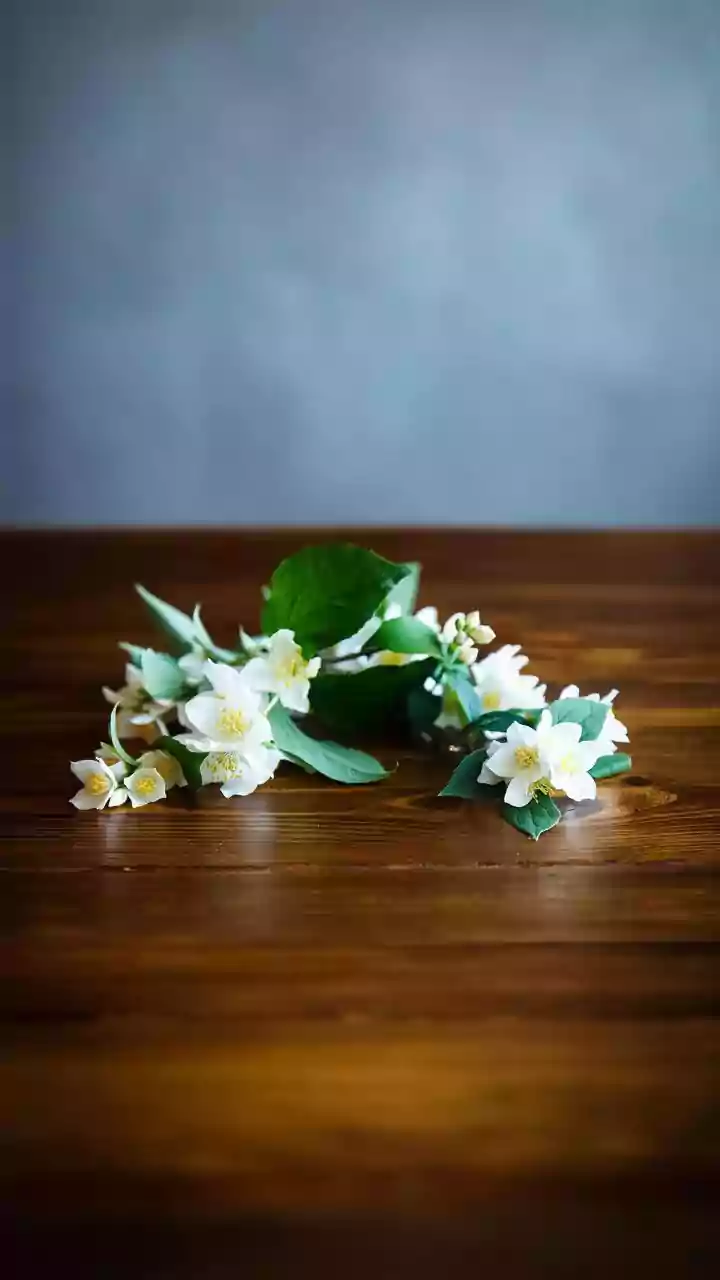
Our sense of smell is powerfully linked to memory and emotion. Complete your biophilic refresh by introducing natural fragrances. Avoid synthetic air fresheners and opt for essential oil diffusers with scents like sandalwood, jasmine, or vetiver—aromas often associated with Indian homes and gardens. Scented candles made from soy or beeswax, or even a simple bundle of dried eucalyptus or lavender, can also fill your space with a gentle, calming fragrance that enhances the feeling of being in a natural, restorative sanctuary.