


The Foundation: Comforting Carbs
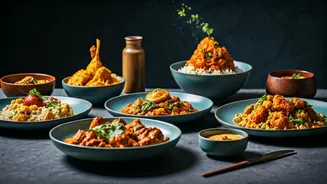
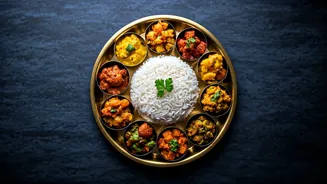
Every great journey needs a starting point, and on a thali, that's usually a comforting mound of fluffy rice or a stack of warm, pliable flatbreads like roti or chapati. This is your base, your anchor, your culinary home. The food mood here is pure comfort and stability.
These carbs aren't just filler; they are the neutral canvas upon which the rest of the meal’s vibrant flavors will be painted. They are the perfect vehicle for scooping up rich curries and soupy daals, their mildness providing a necessary and welcome respite from the explosion of spices in the other dishes. This element grounds the entire experience, offering a feeling of satisfaction and a familiar, starchy embrace that says, “Welcome, you’re home.”
The Soul: Hearty, Humble Daal
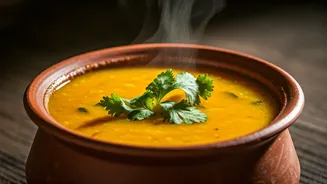
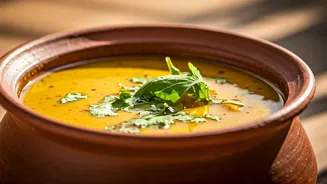
If the carbs are the foundation, the daal is the soul of the thali. This humble lentil stew, served in a small bowl (or katori), is the definition of Indian soul food. The mood it evokes is one of deep, nourishing warmth. Every region, and indeed every family, has its own version—some are thick and creamy, others thin and tangy, some spiced with cumin and ghee, others tempered with mustard seeds and curry leaves. But its purpose is constant: to provide wholesome, protein-rich sustenance that feels both simple and profound. Spooned over rice or dipped into with a piece of roti, the daal offers a moment of savory, soulful satisfaction. It’s the dependable, everyday heartbeat of the Indian kitchen, and no thali feels complete without it.
The Star: Complex, Vibrant Curries
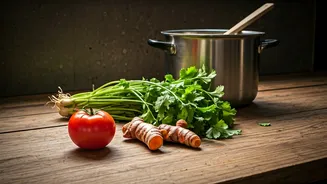
Here’s where the real drama unfolds. A thali will typically feature at least one or two vegetable dishes (sabzi) or a meat/fish curry, each a universe of flavor. This is the meal’s main event, and the mood is pure excitement and discovery. One bowl might hold a creamy, coconut-based vegetable korma, exuding a mood of luxurious indulgence. Another might feature a fiery, tomato-based chicken curry that screams boldness and passion. These dishes showcase the complexity of Indian spicing, where turmeric, coriander, chili, and garam masala don't just add heat but create layers of aromatic depth. This is the part of the plate that gets your senses firing on all cylinders, the part you can’t wait to dive into, promising a new and exciting taste with every single bite.
The Sidekicks: Zesty Surprises
A great meal isn't just about the main players; it's about the supporting cast that makes everything shine. On a thali, this role is played by a cast of zesty, high-impact accompaniments. The mood here is surprise and contrast. You’ll find a dollop of cooling yogurt (raita), often flecked with cucumber or mint, ready to soothe your palate after a bite of something spicy. You’ll get a spoonful of sharp, tangy pickle (achar), a concentrated burst of sour and spice that awakens your taste buds. There might also be a crisp papadum for crunch or a simple salad of sliced onions and lemon for freshness. These small but mighty elements are the secret weapon of the thali, providing the essential pops of sour, salty, cool, and crunchy that prevent palate fatigue and make every mouthful a new experience.
The Farewell: A Sweet Conclusion
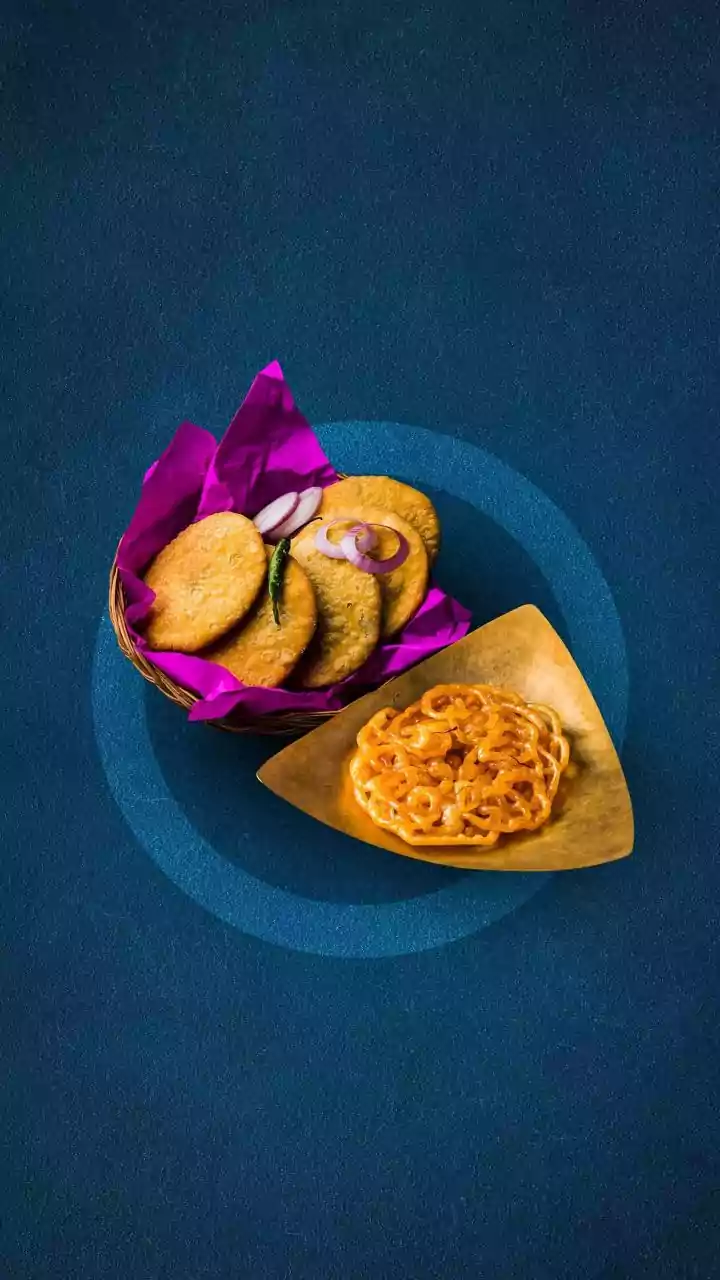
Just when you think you can’t possibly eat another bite, you find it: a tiny bowl containing a single, perfect sweet. This isn't a massive slice of cake; it's a thoughtful, palate-cleansing grace note. The mood is pure, unadulterated bliss and closure. It could be a warm, syrupy gulab jamun, a creamy rice pudding (kheer), or a small piece of rich, nutty barfi. According to Ayurvedic principles, a meal should include all six tastes (sweet, sour, salty, bitter, pungent, astringent), and ending with sweet is considered essential for proper digestion and satisfaction. This final touch isn’t an afterthought; it’s the culinary period at the end of a delicious sentence, a sweet farewell that balances out the entire meal and leaves you feeling completely and utterly content.