

The Great Menu Downshift
For years, cutting-edge dining was a race toward complexity. We saw the rise of molecular gastronomy, tasting menus with dozens of microscopic courses, and ingredients so obscure they required a Google search at the table. Dining out was often an intellectual
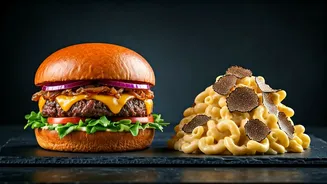
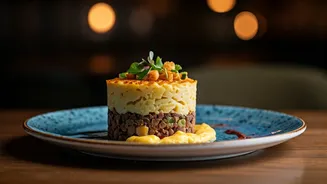
exercise, a challenge to the palate. But a quiet, delicious rebellion is underway. The new pinnacle of culinary cool isn't a foam or a gel; it’s a flawlessly executed roast chicken, a decadent slice of lasagna, or a burger that’s just… a perfect burger. From fine-dining establishments to neighborhood bistros, chefs are stripping away the fuss and re-embracing the familiar. Dishes our grandparents would recognize—pot pies, shepherd's pie, shrimp and grits, even fancy grilled cheese—are taking center stage. This isn't about a lack of imagination. It's a strategic retreat to what food does best: comfort, satisfy, and connect.
Driven by Economy and Exhaustion
So, why now? The shift is rooted in two powerful post-pandemic forces: economic reality and collective burnout. First, the economics are undeniable. Supply chain disruptions and rampant inflation have made exotic, imported ingredients a risky and expensive bet for restaurants operating on razor-thin margins. A menu built on truffles from Italy and rare fish from Japan is a financial gamble. A menu built on potatoes, ground beef, and seasonal vegetables is smart business. Comfort food relies on ingredients that are generally more stable, affordable, and locally sourceable. Beyond the bottom line, there's a palpable sense of exhaustion. Diners, weary from years of uncertainty, are craving reliability over novelty. They don't want to decipher a dish; they want to be nourished by it. And chefs aren't immune. Many are tired of the pressure to constantly innovate and are finding renewed creative joy in perfecting the classics.
Nostalgia Is the Secret Ingredient
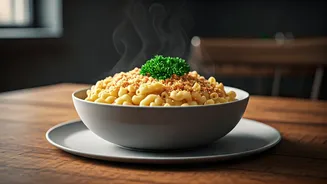
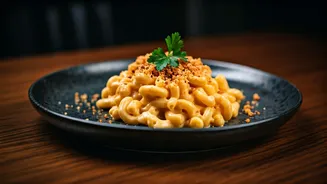
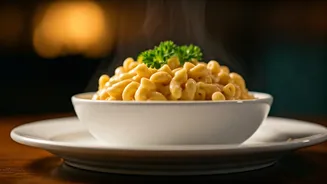
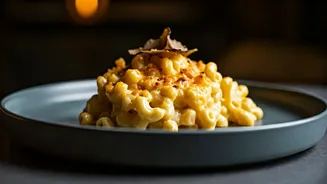
Herein lies the “clever” part of the move. Chefs and restaurateurs understand they aren't just selling food; they are selling an emotion. Comfort food is a direct line to our personal histories and a collective sense of a simpler past. A bowl of macaroni and cheese isn’t just pasta and dairy; it’s the feeling of safety, of childhood, of being cared for. In a world that feels increasingly fractured and unpredictable, a plate of something warm and familiar offers a small, edible anchor. It’s a powerful psychological pull that smart restaurants are leveraging. By serving you a superb version of a dish you already love, they create an immediate, positive emotional connection that a plate of abstractly named components simply cannot match. The best new comfort food feels both nostalgic and special, a memory made better.
Simple, Not Simplistic
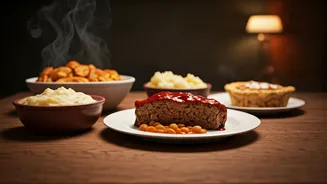
It’s crucial to understand that this trend isn't about lazy cooking. In many ways, perfecting a simple dish is a greater test of a chef’s skill than creating a complex one. With a complicated plate, a minor flaw can be hidden among its many elements. But with a roast chicken, there’s nowhere to hide. The skin must be crisp, the meat juicy, the seasoning perfect. The new wave of comfort food is all about this obsessive attention to detail and technique. It’s about using superior ingredients in straightforward preparations. We’re seeing meatloaf made with prime ground brisket and artisanal ketchup, mashed potatoes enriched with brown butter and crème fraîche, and fried chicken that has undergone a multi-day brining and curing process. It’s the culinary equivalent of a perfectly tailored white t-shirt—deceptively simple, but the result of incredible craft and quality.