





The King of Fruits
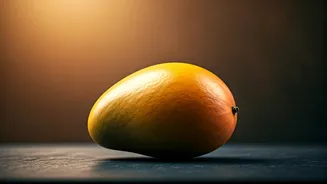
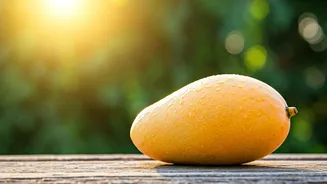
Across the vast and varied subcontinent of India, the arrival of summer is heralded not by a date on the calendar, but by the scent of mangoes. This isn't just any fruit; it's unanimously crowned the 'King of Fruits.' Its annual return, typically from
March to June, triggers a nationwide obsession that borders on the spiritual. Newspapers publish 'mango forecasts,' families plan vacations around orchard visits, and fierce, if friendly, debates ignite over which regional variety reigns supreme. The mango’s status is elevated far beyond simple produce. It’s a cultural icon, a symbol of prosperity, and the sweet, sticky heart of the Indian summer.
A Season, Not Just a Fruit
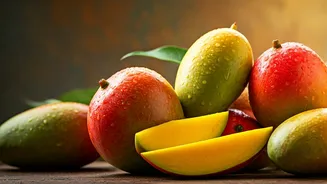
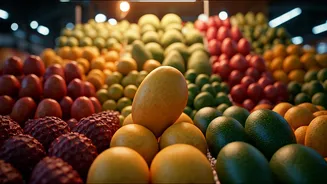
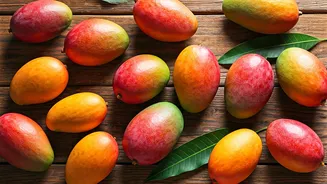
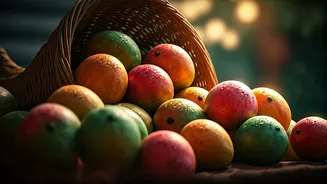
To understand the mango’s importance is to understand that it’s less a product and more of an event. As temperatures soar, the country transforms. Roadside stalls and bustling markets overflow with pyramids of green, yellow, and blush-pink mangoes. The air itself seems to thicken with their intoxicating, honeyed perfume. For these few months, the mango is inescapable. It appears in everything from spicy pickles (aam ka achaar) and cooling yogurt drinks (mango lassi) to rich curries and elaborate desserts. Homes are filled with crates of them, gifted between friends and relatives as a sign of affection. Business deals are sweetened with boxes of the finest variety. The season is a short, intense burst of joy before the monsoon rains arrive to wash it all away.
An Alphonso Is Not a Langra
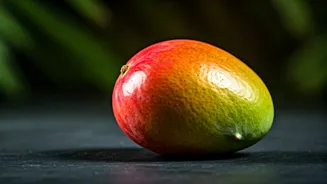
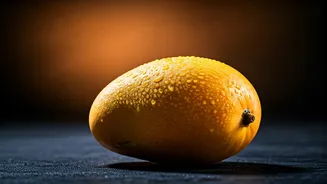
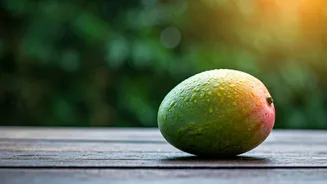
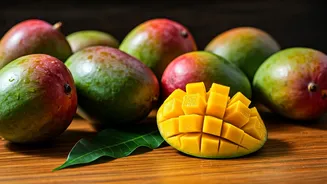
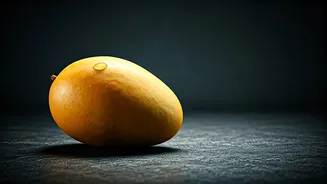
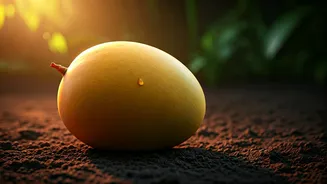
For many Americans, a 'mango' is a single generic flavor, usually the reddish-green Tommy Atkins variety found in most supermarkets. But in India, saying you like 'mango' is like saying you like 'wine'—it’s a meaningless statement without specifics. The country is home to over a thousand varieties, each with a distinct personality, texture, and taste profile. There's the legendary Alphonso, or 'Hapus,' from the western coast, a non-fibrous, almost buttery fruit with a complex, saffron-like sweetness that commands a premium price. From Gujarat comes the Kesar, named for its saffron color and intense aroma, perfect for pulp. The north offers the Langra, a greenish-skinned mango with a uniquely tangy, bright flavor. Further south, you'll find the Banganapalli, a large, sweet, and firm variety. Each has its own loyalists, and part of the summer ritual is seeking out your favorite before its short season ends.
The Rituals and Nostalgia
More than the taste itself, the mango is a vessel for memory. Indians of all ages have a story about it. It’s the memory of childhoods spent climbing trees to steal unripe fruit, of grandparents carefully slicing a mango into perfect 'cheeks,' or of sitting with family on a hot afternoon, juice dripping down your elbows, with no concern other than devouring the next piece. There are unspoken rules and beloved traditions. Some families insist on chilling the fruit in a bucket of cold water for hours before eating. Others have perfected the art of massaging a ripe mango until the pulp liquefies inside, then nipping off the top to drink the nectar directly from the source. It’s a messy, intimate, and deeply communal experience that connects generations.