
Beyond the Butter Chicken Belt
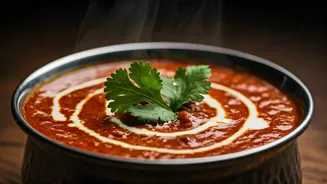
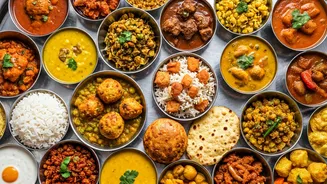
For decades, dining out in Delhi, India’s sprawling capital, meant indulging in a fairly predictable roster of Mughlai and Punjabi dishes. This is the food that forms the backbone of Indian restaurant menus across the U.S.—rich, hearty, and undeniably
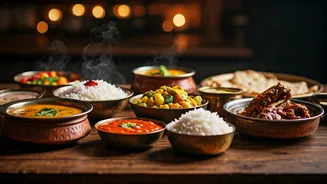
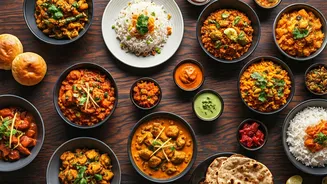
delicious. But it represents just one sliver of the subcontinent's vast culinary mosaic. Today, a new generation of chefs and restaurateurs in Delhi and the surrounding National Capital Region (NCR) are on a mission to de-center this narrative. They’re digging deep into the country’s diverse regional kitchens, many of which have never had a mainstream stage. Restaurants are now proudly serving dishes from the coastal communities of Kerala, the tribal highlands of Nagaland, and the subtle, vegetarian-forward cuisine of Gujarat. Foodies are trading their naan for appams (lacy rice crepes) and their tandoori chicken for pork curries spiked with ghost peppers and fermented bamboo shoots. This isn't about fusion; it's about authentication, giving diners a passport to the true diversity of Indian home cooking, one plate at a time.
The Farm-to-Table, Indian Style
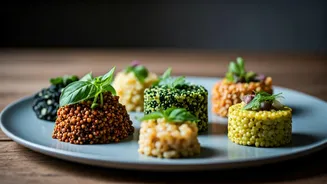
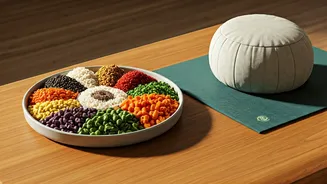
The farm-to-table movement might feel like old news in San Francisco or Portland, but in India’s megacities, it’s a radical act. For years, fine dining often meant using imported ingredients—Belgian chocolate, French cheese, Italian olive oil—as a marker of quality and luxury. That script is being flipped. Chefs are now championing indigenous ingredients with the fervor of evangelists. Ancient grains like millet and amaranth are replacing quinoa on salad menus. Artisanal cheese-makers in the Himalayan foothills are supplying local versions of burrata and feta, while single-origin coffee from southern Indian estates is displacing Italian espresso brands. This shift is more than a trend; it's a reclamation of agricultural heritage. By building direct relationships with farmers, chefs are not only ensuring fresher, more flavorful produce but also reviving heirloom crops and promoting sustainable agriculture in a country grappling with complex food supply chains. The new status symbol isn't an imported truffle; it's a perfectly ripe tomato from a nearby farm.
Modern Techniques, Ancient Flavors
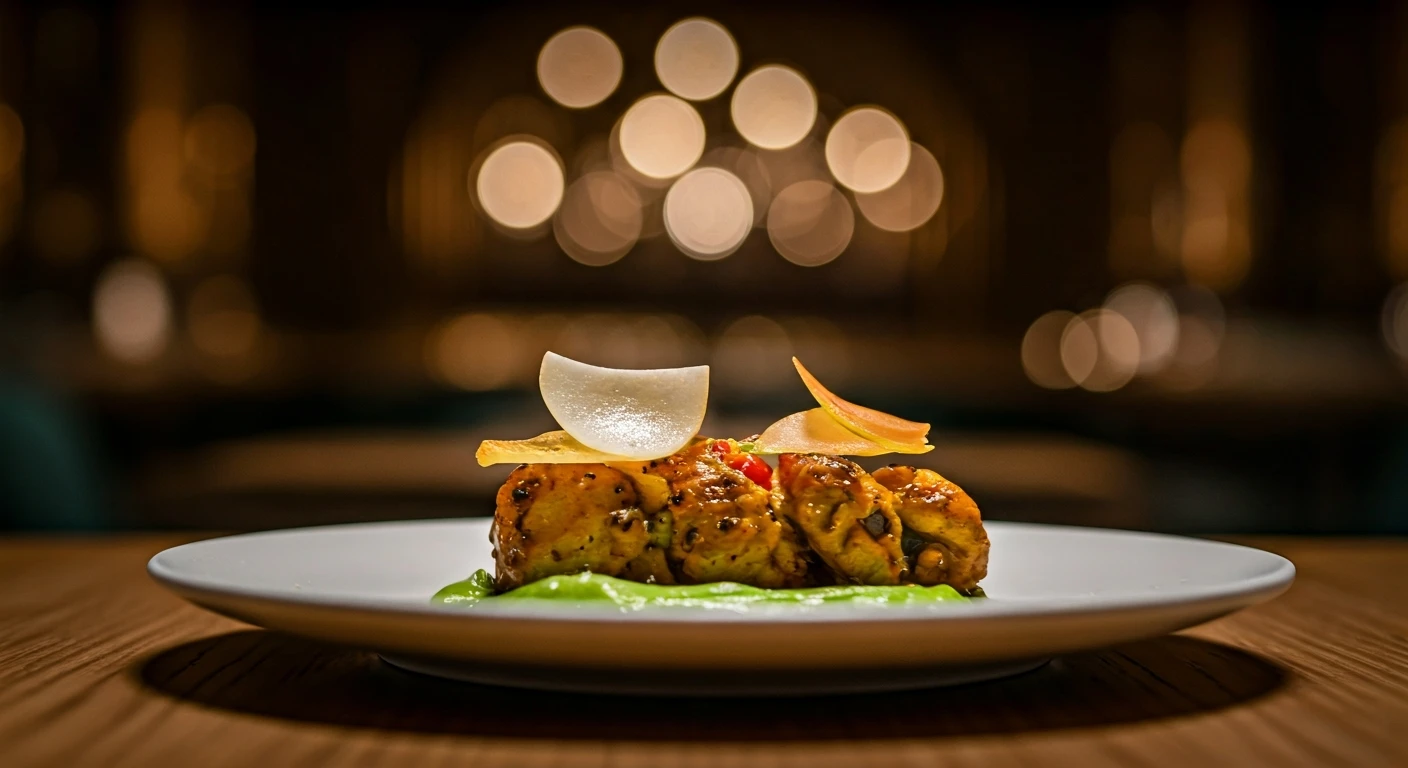
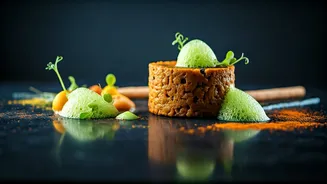
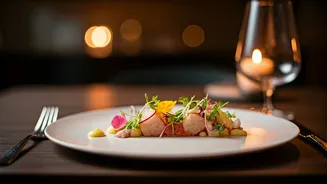
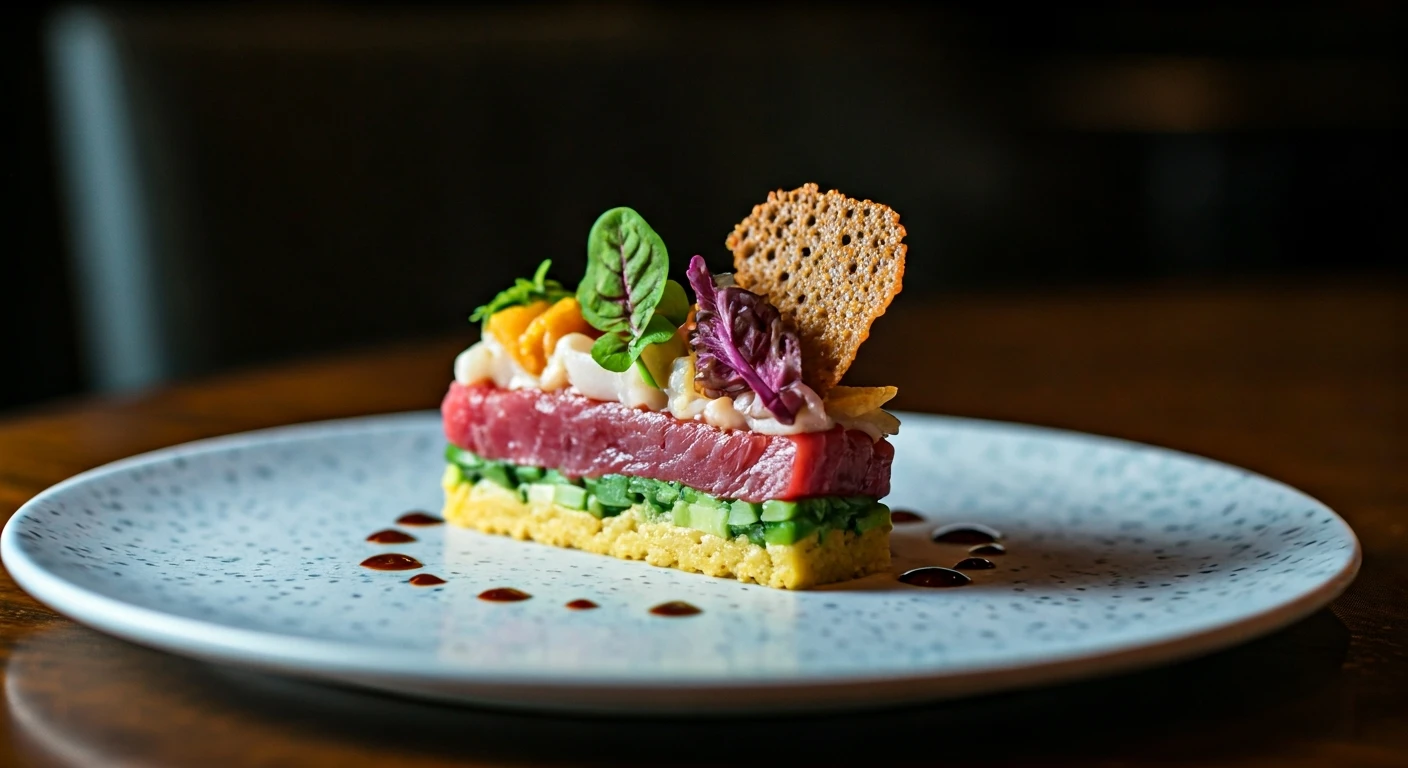
While one movement looks to the past for authentic recipes, another looks to the future for technique. Leading chefs are applying global modernist principles to classic Indian flavors with spectacular results. This isn't about gimmicks; it's about enhancement. Imagine a traditional galouti kebab, known for its melt-in-the-mouth texture, made even more ethereal through sous-vide cooking. Picture a classic lentil dal, its flavors deepened through controlled fermentation, or a street-food favorite like golgappe (crisp, hollow shells filled with spiced water) deconstructed into a sophisticated, one-bite appetizer with foams and spheres. Pioneers like Chef Manish Mehrotra of the celebrated restaurant Indian Accent have paved the way, showing that innovation doesn’t have to mean sacrificing soul. The goal is to use modern tools to unlock new textures and heighten familiar tastes, creating dishes that are at once surprising and deeply comforting—a conversation between India’s culinary past and its global future.
Reimagining the Dining Experience
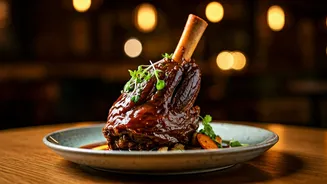
The innovation isn't just on the plate. The very concept of the restaurant is being stretched and redefined. The staid, formal dining rooms of old are giving way to more dynamic spaces. Small, chef-driven restaurants with tasting menus that change weekly are becoming hot tickets. Concept cafes dedicated to a single thing—be it artisanal bread or regional Indian coffees—are flourishing. Pop-ups and collaborations between chefs, once a rarity, are now a vibrant part of the scene, creating a sense of urgency and excitement. This new landscape offers a spectrum of experiences, from a casual eatery exploring the cuisine of a single state to a high-end gastronomic journey that tells a story over a dozen courses. The message to the Delhi diner is clear: routine is the enemy. There is always something new to taste, a new story to hear, and a new corner of India to explore, right within the city limits.