


First, What’s a Monsoon Got to Do With It?
Let’s clear this up first. In climates driven by monsoons, like in India and other parts of South Asia, the entire agricultural calendar revolves around the arrival of the seasonal rains. The “pre-monsoon” period is that critical window of late spring
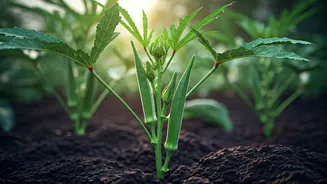
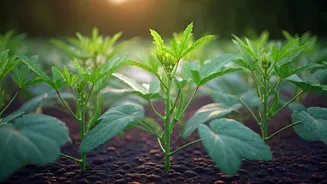
and early summer when the heat is building and the ground is waiting. For farmers and gardeners there, planting crops like okra before the rains begin allows the seeds to germinate in the warm soil and establish strong roots, ready to take full advantage of the coming deluge. It’s a strategic move, a sign of preparing for nature’s rhythm. So, while your garden in Ohio or Alabama isn’t waiting on a monsoon, the core principle holds true. For American gardeners, our “pre-monsoon” moment is simply late spring, when the threat of frost has passed and the soil has warmed up to a welcoming 65°F or more. It’s the perfect time to plant heat-loving crops, and okra is the undisputed king of the summer heat.
Okra’s American Story and Climate Superpowers
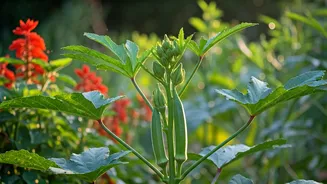
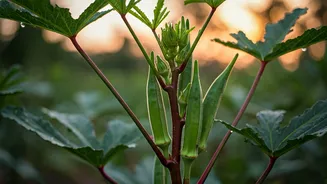
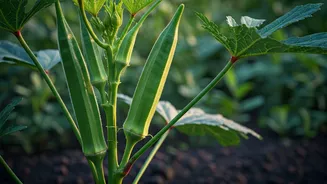
Okra is not just some exotic transplant; it’s a vegetable with deep roots in American soil and history. Originally from Africa, okra (along with its name, derived from the Igbo word “ọ́kụ̀rụ̀”) traveled to the Americas during the transatlantic slave trade. It quickly became a cornerstone of Southern cuisine, a foundational ingredient in the rich, complex stews we now know as gumbo. But its value extends far beyond the kitchen. In an era of increasingly hot summers and unpredictable weather, okra is something of a garden superhero. It thrives in conditions that cause other vegetables to wilt and give up. It loves full, blazing sun. It’s remarkably drought-tolerant once established, making it a champion of water-wise gardening. The plant itself is stunningly beautiful, producing large, creamy, hibiscus-like flowers that are as ornamental as they are productive. In short, this is a plant built for the 21st-century American garden.
Your Guide to Growing Okra
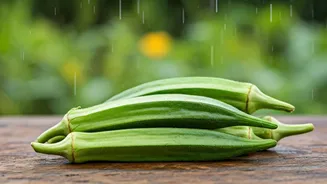
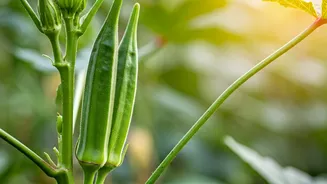
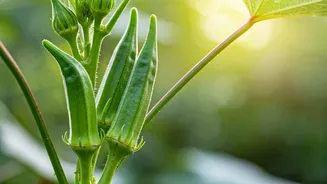
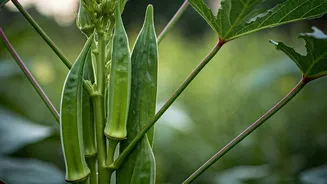
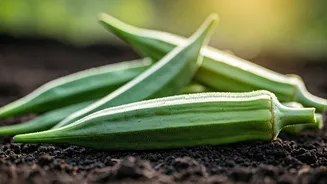
Convinced? Good. Growing okra is incredibly rewarding and surprisingly simple. Here’s what you need to know: 1. **Timing is Everything:** Don't rush it. Okra seeds will rot in cold, damp soil. Wait until at least two to three weeks after your last frost date, when soil temperatures are consistently above 65°F. Soaking the seeds overnight in warm water can help speed up germination. 2. **Give It Sun:** Find the sunniest spot in your yard. Okra wants a minimum of six to eight hours of direct, unfiltered sunlight per day. More is better. 3. **Feed It Well:** While it’s not overly fussy, okra appreciates rich, well-drained soil. Working a few inches of compost into your planting area before you sow the seeds will give the plants a great start. 4. **Harvest, Harvest, Harvest:** This is the most important rule. Once okra starts producing, it’s relentless. You need to check your plants every other day. The best pods are young and tender, typically 2 to 4 inches long. If you let them get too big, they become woody and tough. Regular harvesting also signals the plant to keep producing more flowers and pods all summer long.
Beyond Gumbo: Conquering the 'Slime'
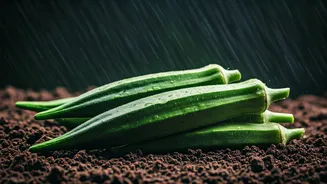
Let’s address the elephant in the room: the slime. Okra’s mucilage (the technical term for its sliminess) is a powerful thickener, which is why it’s essential for gumbo. But if you’re not a fan of the texture, you don’t have to avoid okra. You just have to cook it differently. The secret is heat and acid. High-heat cooking methods prevent the mucilage from developing. Try tossing whole or sliced pods in olive oil, salt, and pepper, and roasting them at 425°F until they’re slightly browned and crispy. Or, slice them lengthwise and throw them on a hot grill for a smoky, delicious side dish. A quick stir-fry with garlic and chili also works wonders. Another fantastic option is pickling. Pickled okra is a classic Southern snack—crunchy, tangy, and entirely slime-free.