





The Era of Peak Maximalism
To understand the current calm, you have to appreciate the previous storm. For much of the 2010s, the wardrobe of urban Indian youth was a joyous riot of color and consumption. Fueled by a booming economy, the arrival of global fast-fashion giants like
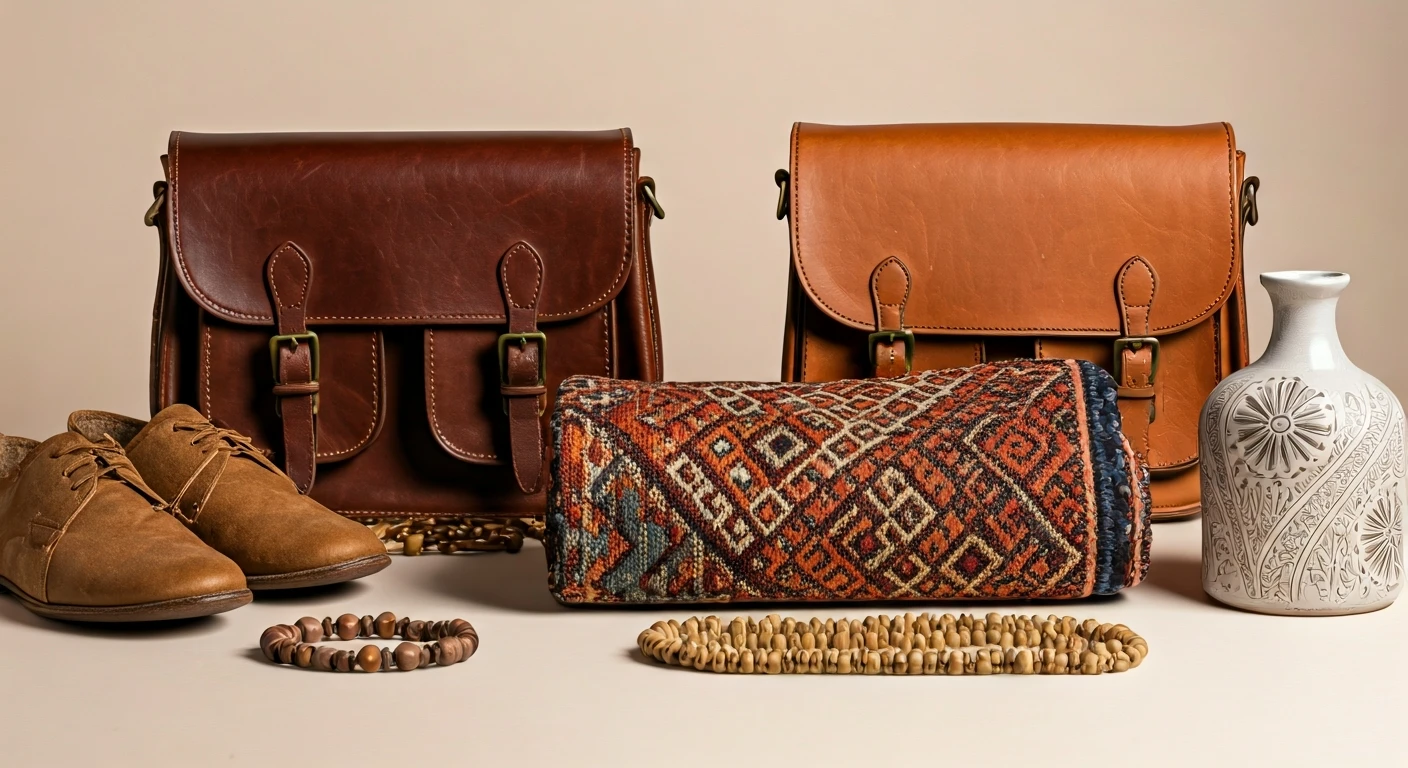
Zara and H&M, and a burgeoning influencer culture, the ethos was 'more is more.' Social media feeds were dominated by elaborate wedding guest looks, flashy logo-mania, and an endless cycle of new trends. It was a visual expression of a nation on the rise—confident, ambitious, and ready to be seen. This aesthetic wasn’t just for special occasions; it bled into everyday wear, where bold prints, statement accessories, and a generally peacocking vibe were the norm. This was the first generation with widespread access to global trends and the disposable income to participate, and they embraced it with gusto.
Enter the ‘Quiet Correction’
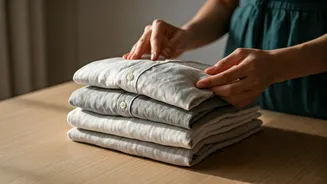
Today, that visual noise is dialing down. The new mood is less about being loud and more about being listened to. Walk through a trendy neighborhood like Bandra in Mumbai or Hauz Khas Village in Delhi, and you’ll see a different sartorial story. The aesthetic is muted, the fabrics are natural, and the silhouettes are relaxed. Think oversized linen shirts, wide-leg trousers in shades of beige and olive, and minimalist handloom cotton dresses. It’s a style often dubbed ‘anti-fit,’ prioritizing comfort and personal ease over restrictive, body-conscious shapes. This isn't about looking sloppy; it’s about a newfound confidence that doesn’t need to shout for attention. The focus has shifted from the garment’s brand name to its texture, its cut, and how it feels to wear. It’s a deliberate pivot from spectacle to substance.
Why the Sudden Change of Heart?
This shift isn't happening in a vacuum. It’s a confluence of global trends and local realities. The global pandemic was a major catalyst, forcing a worldwide pause that made many people, including India's youth, reconsider their consumption habits. The endless cycle of buying and discarding suddenly felt hollow. This coincided with a growing global conversation around sustainability, which found fertile ground in India, a country with a long history of textile craftsmanship and mindful use of resources. Furthermore, the global trend of ‘quiet luxury’—favoring high-quality, logo-free investment pieces—resonated with a generation that was beginning to mature beyond its first flush of consumerism. They’re trading five fast-fashion tops for one well-made piece from a local, independent designer who values ethical production. It’s a move from chasing trends to investing in personal style.
A Global Mood with a Local Soul
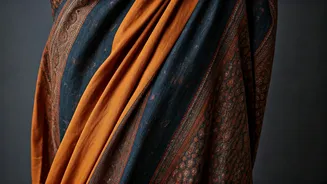
But it would be a mistake to see this as simply a copy-paste of Western minimalism. Young Indians are interpreting this calmer aesthetic through a distinctly local lens. The movement is championed by a new wave of homegrown, direct-to-consumer brands that celebrate Indian heritage in a modern way. Instead of heavy, ornate brocades, they’re using breathable, hand-spun Khadi cotton or supple silks in contemporary, unfussy designs. It’s about appreciating the craft without being weighed down by tradition. This new look is a hybrid: the minimalist philosophy of Scandinavian or Japanese design fused with the rich textile history of India. It’s a quiet assertion of a modern Indian identity—globally aware, but rooted in its own culture, confident enough to whisper rather than scream.