
Why Food-Based Hydration Matters
We often think of hydration as an all-or-nothing game of hitting eight glasses of water a day. But effective hydration is a more complex process. Your body doesn’t just need water; it needs electrolytes like potassium and sodium to help transport that
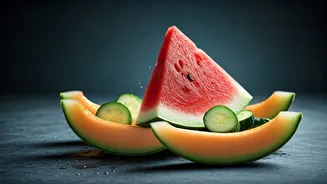
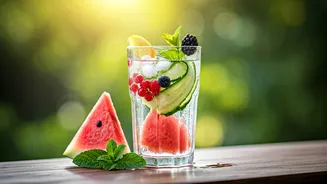
water into your cells where it’s actually used. This is where hydrating foods come in. Fruits and vegetables with high water content deliver not only H2O but also the essential vitamins, minerals, and electrolytes that make that water work harder for you. Eating your water provides a slow, steady release of fluid, helping you stay hydrated for longer periods compared to simply drinking a glass of water that can pass through your system relatively quickly.
Cucumber: The Classic Cooler
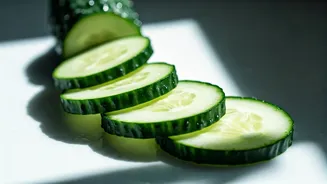
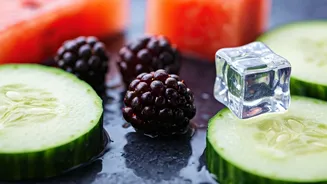
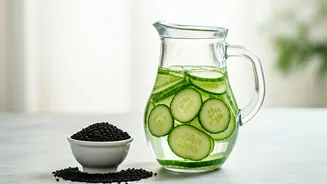
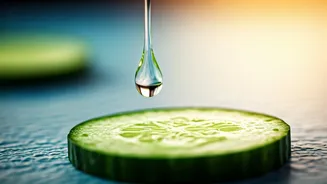
There’s a reason cucumbers are synonymous with spa days and refreshment. Composed of about 95% water, they are one of the most hydrating foods you can eat. But their benefits go beyond simple water content. Cucumbers contain valuable electrolytes, including potassium, which plays a key role in fluid balance and muscle function. They are also rich in antioxidants and anti-inflammatory compounds. Because they are low in calories and high in water, they make for a satisfying, crunchy snack that contributes to your daily fluid intake without weighing you down. Adding cucumber slices to your water bottle is a great start, but incorporating them into salads, smoothies, and cold soups maximizes their hydrating potential.
Sabja Seeds: The Unsung Super-Soaker
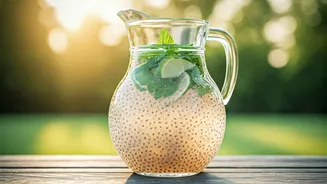
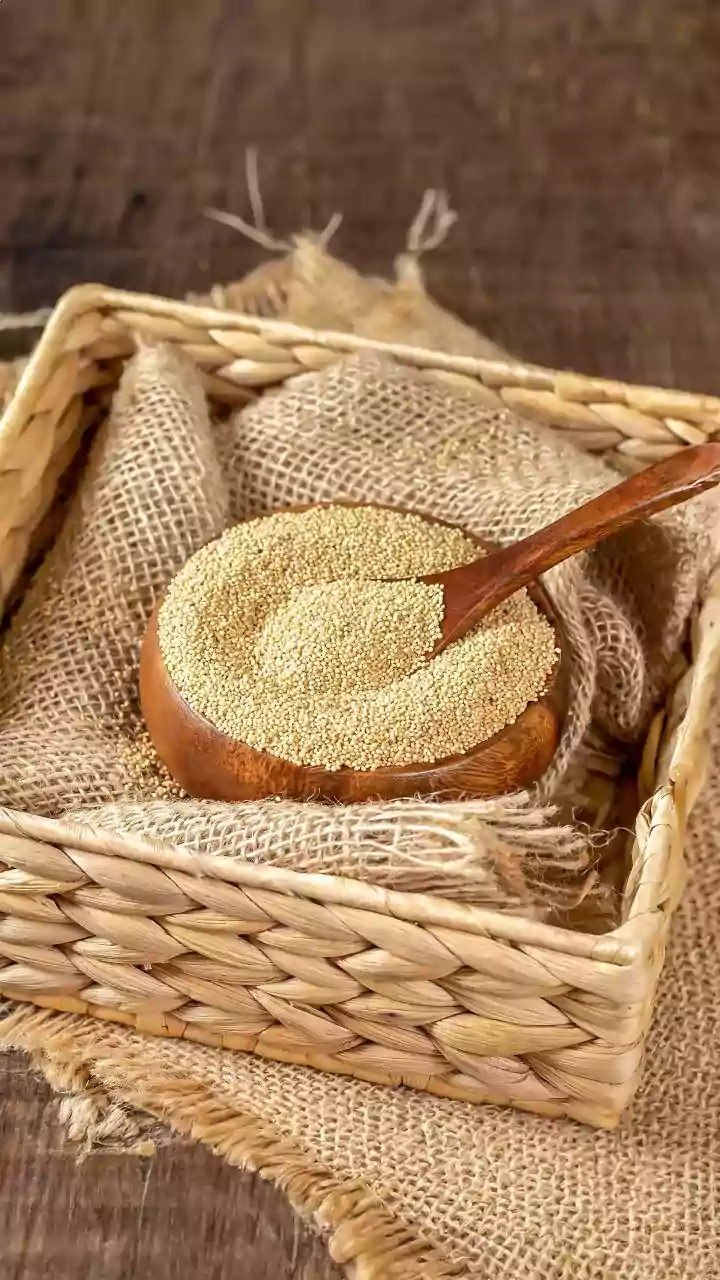
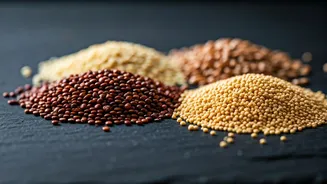
While you may be familiar with chia seeds, their cousin, sabja seeds (also known as basil seeds or tukmaria), are a hydration powerhouse deserving of the spotlight. When soaked in water, these tiny black seeds work like magic, absorbing up to 30 times their weight in liquid and forming a nutrient-rich, gelatinous bubble. This gel doesn’t just deliver water; it releases it slowly into your system, promoting sustained hydration. This unique property can help you feel fuller longer and supports digestive health, thanks to their high fiber content. Traditionally used in South and Southeast Asian drinks like falooda, sabja seeds are incredibly versatile and have a mild flavor, making them easy to add to almost anything.
How to Use Your Hydration Heroes
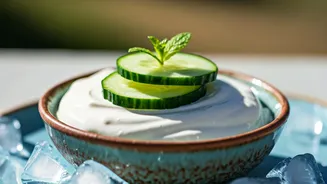
Putting these two ingredients to work is simple and requires no complicated culinary skills. For sabja seeds, the key is preparation: just soak one to two teaspoons of seeds in about a half-cup of water for 10-15 minutes until they swell up into a gel. You can then stir this mixture into lemonade, iced tea, coconut water, or even just plain water for a texture-rich, hydrating boost. They are also fantastic layered in yogurt parfaits or blended into smoothies. For cucumbers, think beyond the salad. Blend them with mint, lime, and a little water for a refreshing green juice. Create 'cucumber boats' by scooping out the seeds and filling them with hummus or tuna salad. Or, for the ultimate hydrating snack, simply sprinkle cucumber spears with a pinch of sea salt to help replenish electrolytes after a workout.
Try This Simple Hydrating Elixir
Ready to combine their powers? Make a Cucumber-Sabja Cooler. In a large pitcher, combine 4 cups of water, one thinly sliced cucumber, and the juice of one lime. In a separate cup, soak 2 teaspoons of sabja seeds in a half-cup of water until they are fully gelled. Once ready, stir the gelled sabja seeds into the cucumber-lime water. For a touch of sweetness, add a teaspoon of honey or maple syrup. Let it chill in the refrigerator for at least 30 minutes to allow the flavors to meld. It’s a delicious, functional beverage perfect for a hot day or as a post-exercise recovery drink. This simple recipe provides water, electrolytes from the cucumber and lime, and the sustained-release hydration from the sabja seeds.