



More Than Just Houseplants
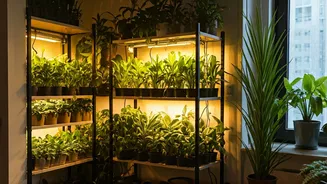
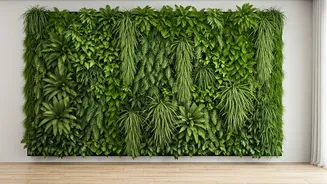
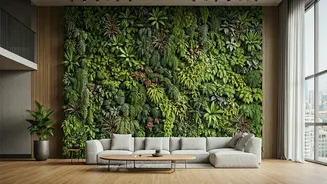
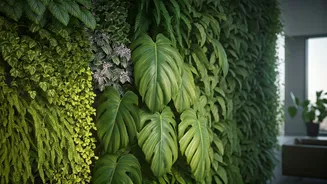
First, let’s be clear: a living wall, or green wall, isn’t just a well-placed monstera and a few pothos vines. We’re talking about a vertically integrated system of plants, often involving custom-built structures, complex irrigation, and specialized lighting.
These are architectural installations as much as horticultural displays. They transform a sterile urban interior into a lush, jungle-like oasis. The visual impact is immediate and undeniable—it stops your scroll and commands attention, turning a flat, boring surface into a dynamic, living ecosystem. In cities where every square foot is precious, dedicating an entire vertical plane to something that doesn't offer storage or seating is itself a luxury.
The Wellness Halo Effect
The trend plugs directly into the modern obsession with wellness and biophilia—our innate human desire to connect with nature. Proponents of biophilic design argue that integrating natural elements into our built environments can reduce stress, improve air quality, and boost creativity. A living wall isn't just pretty; it’s a tangible commitment to well-being. It whispers that its owner is not only successful but also mindful, in tune with nature, and dedicated to creating a restorative home sanctuary. In a dense city like New York or San Francisco, where a private backyard is the ultimate fantasy, bringing the forest indoors offers a powerful psychological escape. It projects an image of a balanced life, even if that life is lived 30 stories above the pavement.
The Quietly Expensive Price Tag
Here’s where the “status flex” really kicks in. While a fiddle-leaf fig might set you back a couple hundred dollars, a professionally installed living wall is in a different league. Costs can easily run from a few thousand to tens of thousands of dollars, depending on the size, complexity, and type of plants used. You're paying for the custom framework, the automated hydroponic or drip irrigation system that keeps it alive, and often, professional installation. Then there's the maintenance. These aren't set-it-and-forget-it installations. They require regular care—pruning, nutrient management, and pest control—which often means an ongoing service contract with a horticultural company. Owning a living wall isn't just about having the money to buy it; it's about having the resources to sustain it. This high barrier to entry is what separates it from more accessible plant trends and elevates it to true luxury status.
Engineered for the Instagram Age
A living wall is the perfect backdrop. It’s visually dense, texturally rich, and provides a vibrant splash of color that makes any photo pop. It functions as a real-world humblebrag, a set piece for a life well-lived. A selfie in front of a plant wall doesn’t just say, “I look good today.” It says, “I live in a beautifully designed space, I can afford bespoke natural installations, and I prioritize my mental and physical wellness.” It communicates a sophisticated, eco-conscious aesthetic without saying a word. Unlike a luxury car parked in a garage or a designer watch that isn't always visible, a plant wall is a permanent, photogenic fixture of the home. It’s a status symbol that is both organic and perfectly engineered for online performance, making every casual at-home photo an implicit statement of taste and wealth.