
Beyond the Cream: The Push for Bold
The first rule of the new Indian food mood? No apologies. For years, many Indian restaurants in U.S. operated on the assumption that American palates needed protection. Spices were toned down, complex flavors were smoothed over with cream and sugar, and the vast,
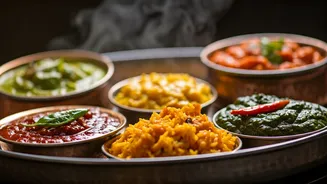
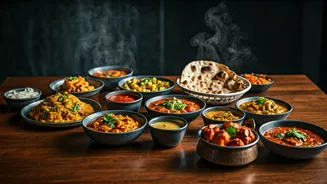
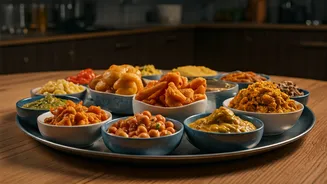
diverse culinary map of India was flattened into a handful of North Indian greatest hits. That’s changing. Today’s most talked-about chefs are championing the unapologetically bold. Think the pungent, funky heat of a South Indian pickle (achaar), the sour tang of tamarind, and the bitter notes of fenugreek. This is a move toward regional specificity. Instead of just 'curry,' menus now proudly feature Bengali mustard-laced fish, Goan pork vindaloo with its fiery Portuguese roots, or fiery Chettinad pepper chicken. These dishes aren't 'difficult'; they’re a direct, exhilarating connection to the way hundreds of millions of people actually eat. Restaurants like Dhamaka in New York City have built a cult following by refusing to adjust spice levels, presenting 'unapologetic Indian' food that’s thrillingly, authentically alive.
Comfort in the Classics: The Rise of 'Home' Food
Paradoxically, alongside this explosion of bold flavor is a deep appreciation for the familiar—but a different kind of familiar. It’s not the familiarity of the standard restaurant buffet; it’s the comforting, soulful familiarity of home cooking. These are the dishes that Indian-Americans grew up eating in their own kitchens but rarely saw in restaurants: simple, elegant dals (lentil stews), nourishing khichdi (a rice and lentil porridge), and the humble sabzi (seasonal vegetable preparations). Once considered too 'simple' or not 'fancy' enough for a restaurant menu, these dishes are now being celebrated for their deep, restorative power. This trend speaks to a growing confidence within the diaspora, a desire to see their own everyday culture reflected and honored. It’s a quiet rebellion against the notion that Indian food must be a heavy, elaborate affair reserved for special occasions. Instead, it’s being repositioned as what it has always been for many: nourishing, versatile, and deeply satisfying on a Tuesday night.
Permission to Play: The Element of Fun
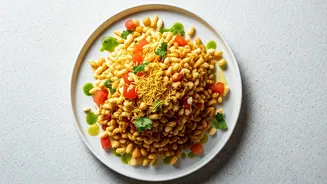
The new Indian food mood is also, crucially, a lot of fun. This playful spirit is most obvious in the explosion of chaat. These savory, crunchy, tangy street snacks—think crispy puris topped with potatoes, yogurt, and chutneys—are a textural and flavor rollercoaster in a single bite. Once relegated to street carts in India, chaat has become a star appetizer and even a main event in trendy U.S. restaurants, perfect for sharing and Instagramming. But the fun doesn’t stop there. We’re seeing a boom in 'Indian-ish' cooking, a term popularized by chef Priya Krishna. This isn't clumsy fusion, but a clever and respectful conversation between cultures. It might look like a pizza topped with paneer tikka, tacos filled with spicy minced lamb keema, or a gin cocktail infused with cardamom and lime. It’s food that acknowledges the reality of multicultural identities, giving chefs and home cooks the 'permission to play' with the flavors they love in new and exciting contexts. This approach makes Indian flavors more accessible than ever, inviting everyone to the party.