



Solving the Drainage Dilemma
The single most critical factor for a terrace garden's survival during a heavy rain season is drainage. Unlike a traditional yard where excess water can seep deep into the earth, a container, planter box, or rooftop bed has nowhere to go. Without proper
planning, a few days of intense rain can turn a vibrant garden into a waterlogged tragedy. Soil becomes saturated, starving plant roots of oxygen and leading to swift root rot. Consultants are brought in to assess and implement solutions: ensuring containers have ample drainage holes, adding layers of gravel or drainage-assisting materials, elevating pots on 'feet' to allow water to escape, and even designing custom drainage systems for larger rooftop installations. It’s a proactive strike against the garden’s number one enemy: standing water.
Selecting a Rain-Ready Roster
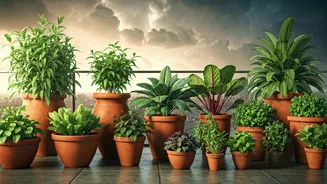
Not all plants are created equal when it comes to handling a downpour. The pre-season rush is the perfect time to curate a plant collection that can thrive, not just survive, in wet conditions. Gardeners seek advice on which plants to choose and which to protect. Experts often recommend plants with a higher tolerance for moisture, like certain ferns, canna lilies, or elephant ears. Conversely, succulents, cacti, and many Mediterranean herbs like rosemary and lavender are extremely vulnerable to rot in persistently damp soil. A consultation helps homeowners create a strategic planting plan, grouping water-loving plants together and moving sensitive species to sheltered locations or under eaves before the rainy season gets into full swing.
Bracing for Wind and Weight
Heavy rains are often accompanied by strong winds, a particular threat to exposed terrace and rooftop gardens. Trellises can turn into sails, unsecured pots can topple over, and tall, top-heavy plants can snap. Consultants help homeowners brace for the storm by recommending ways to secure structures, group smaller pots together for stability, and prune plants to reduce wind resistance. There's also the crucial issue of weight. Soil, planters, and decorative elements already add significant load to a structure. When soil becomes completely saturated with rainwater, its weight can increase dramatically. Pre-season consultations often involve a structural check to ensure the terrace or rooftop can safely handle the maximum possible weight during the wettest part of the year.
Harnessing the Downpour
The surge in consultations isn't just about defense; it's also about opportunity. The savvy urban gardener sees a heavy rain season not as a threat, but as a chance to harvest a valuable resource. Rainwater is naturally soft, slightly acidic, and free of the chlorine and minerals found in tap water, making it liquid gold for plants. A key part of pre-season prep is setting up rainwater harvesting systems. This can be as simple as a few strategically placed buckets or as sophisticated as a network of rain barrels connected to downspouts. This captured water can then be used during the inevitable dry spells that follow, reducing reliance on municipal water and providing plants with a superior drink.
Preventing Pests and Disease
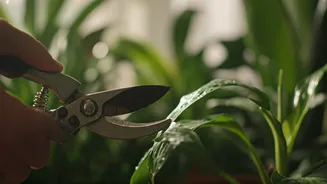
Warm, damp, and humid conditions are a paradise for fungal diseases like powdery mildew and black spot, as well as for pests like slugs and snails. A garden that enters the rainy season with poor air circulation and existing vulnerabilities is a prime candidate for an outbreak. Garden consultants help clients get ahead of the problem. This involves preventative measures like pruning plants to improve airflow, removing any existing diseased leaves, applying a preventative layer of mulch to stop soil-borne pathogens from splashing onto foliage, and recommending organic fungicide treatments to have on hand. It’s an exercise in horticultural hygiene that pays dividends when the weather turns wet.