




A Tale of Two Cats
First, let's be clear about the contenders. We're not talking about just any lion or tiger. The species in question are the Asiatic lion (Panthera leo leo) and the Bengal tiger (Panthera tigris tigris). For most of history, these two apex predators had
largely separate domains. Tigers evolved in the dense, wet forests of eastern Asia, while lions roamed the more open, arid grasslands and scrublands stretching from Africa through the Middle East and into India. Historically, their ranges did overlap far more than they do today, across parts of Central and Western Asia. But human expansion, hunting, and habitat loss over centuries systematically wiped out these overlapping territories. The tiger was pushed deeper into the forests of South and Southeast Asia, while the lion was nearly eliminated from the continent entirely, leaving one tiny, isolated population.
The Last Lion Sanctuary
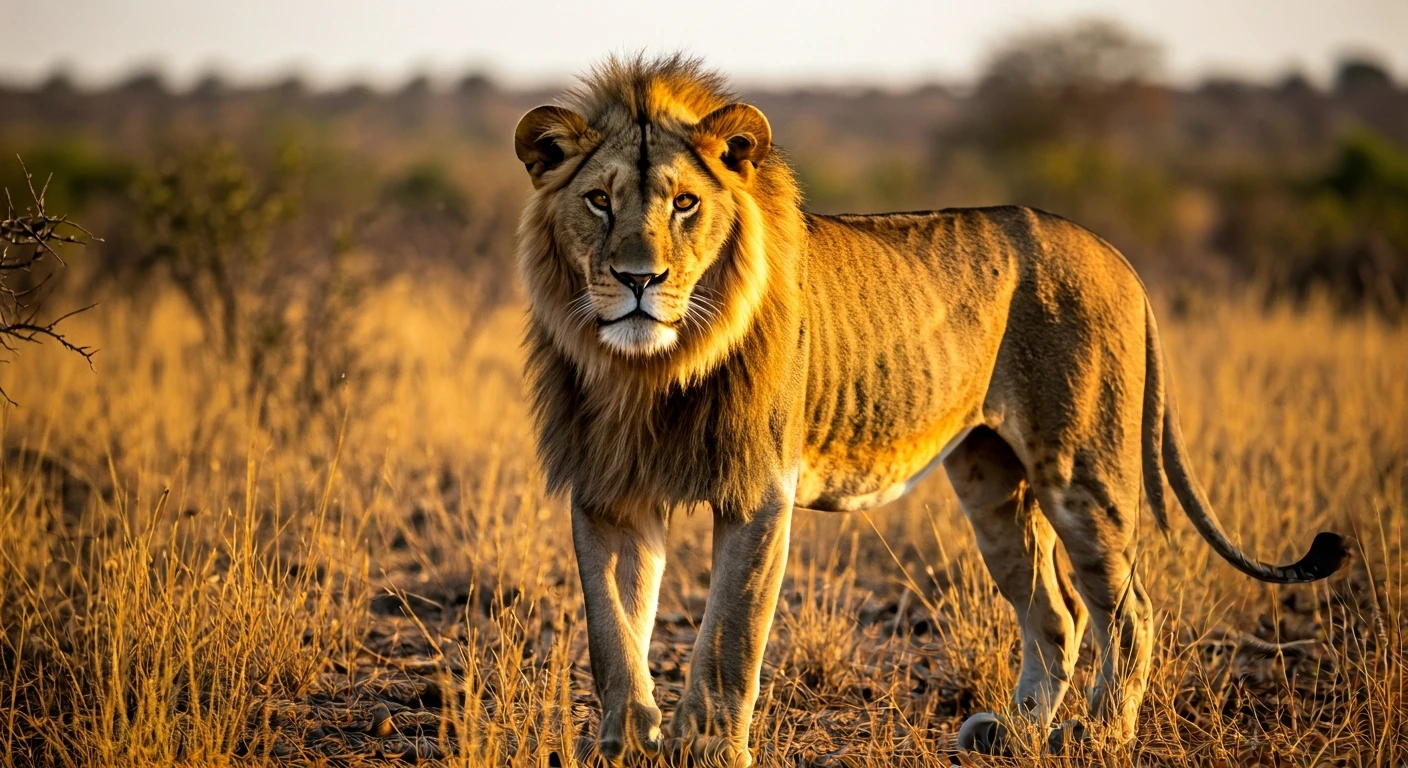
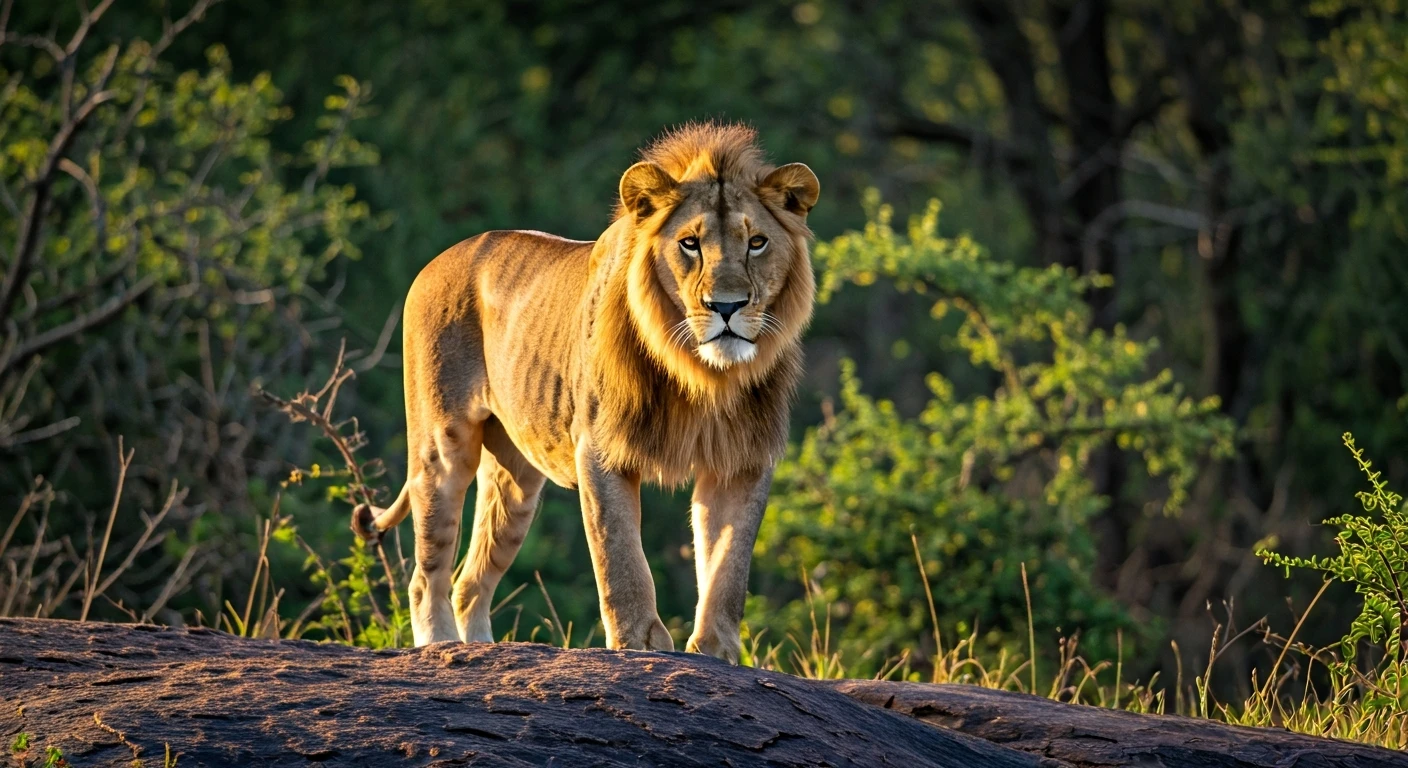
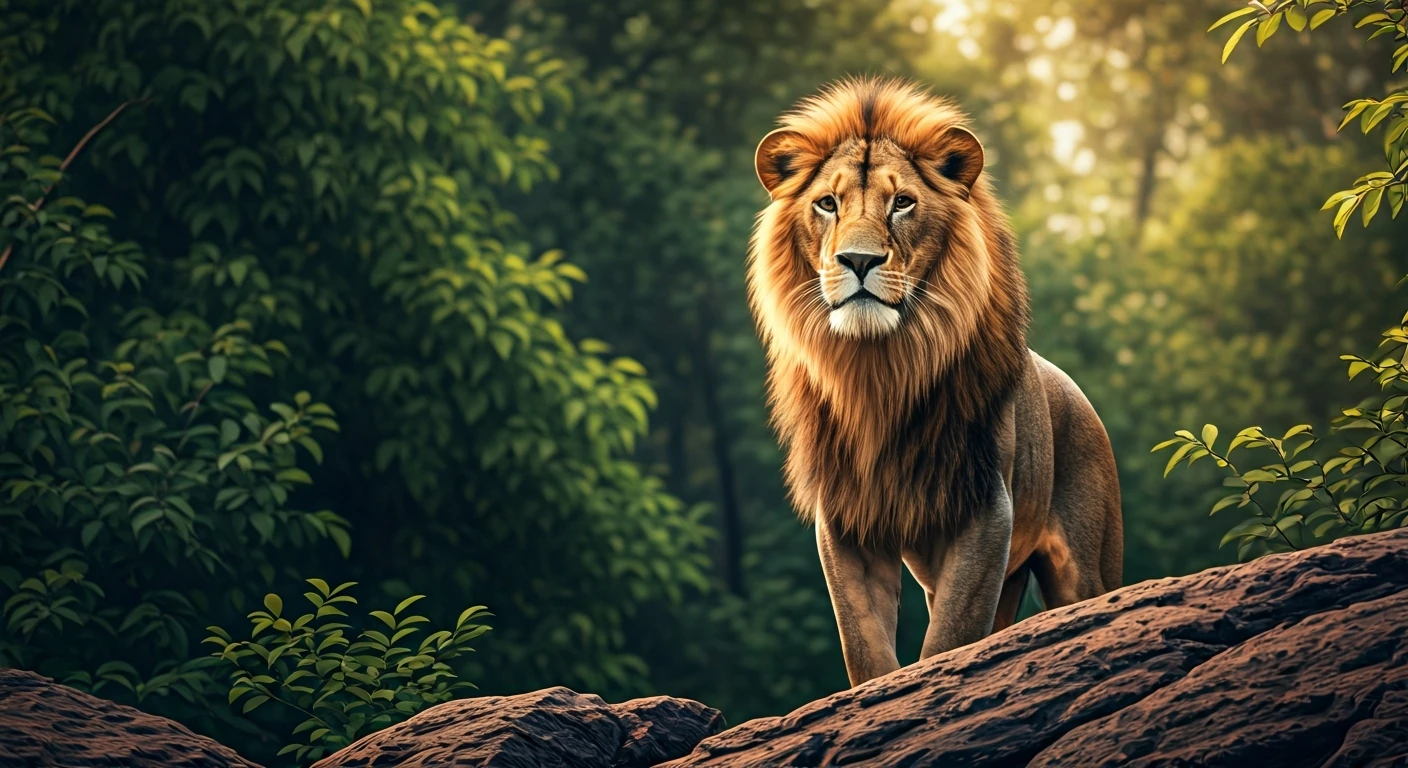
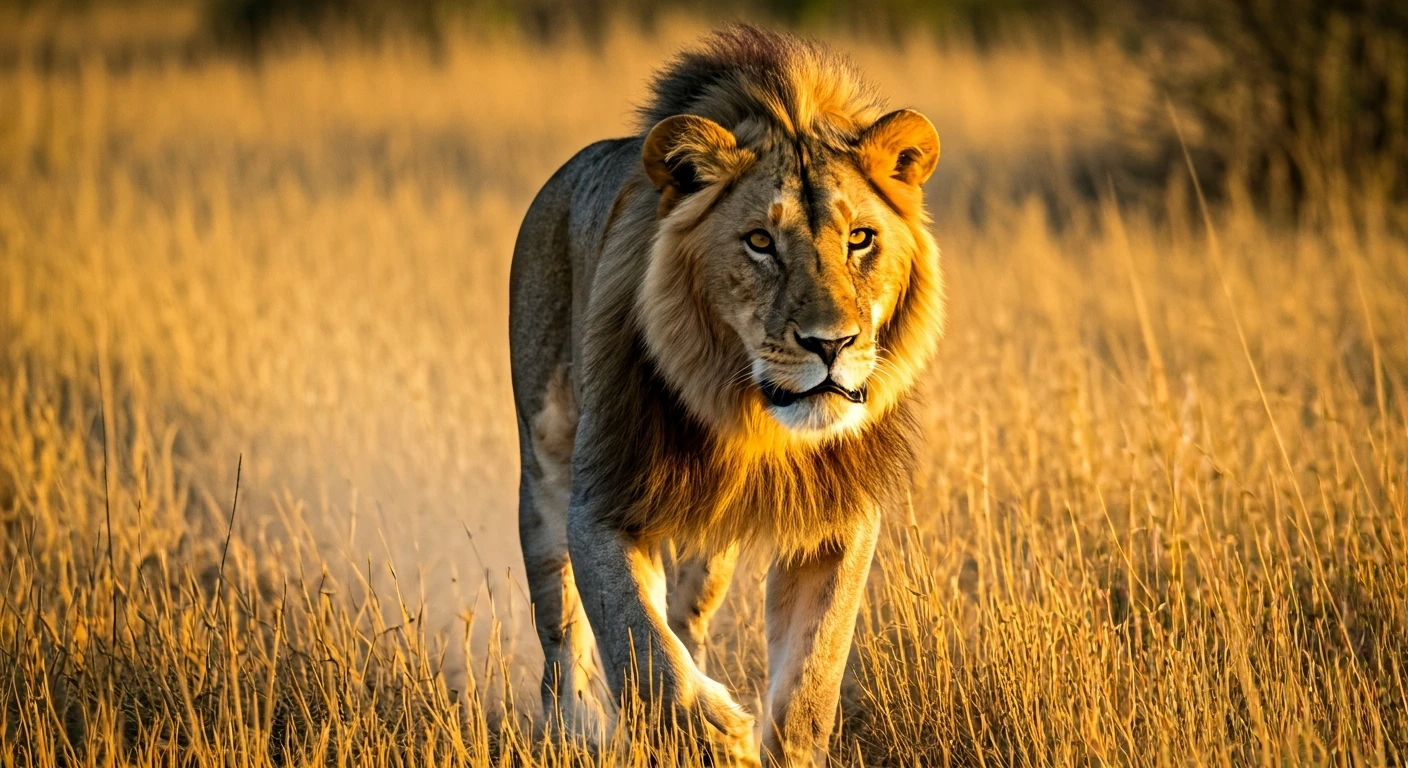
That last pocket of survival is the Gir Forest National Park in the state of Gujarat, on the western coast of India. This is the one and only stage for our drama. Gir is a unique ecosystem—a mosaic of dry deciduous forest, scrubland, and grassy plains. It’s not the dense jungle you associate with tigers, nor is it the wide-open savanna you picture for lions. It’s a perfect, almost accidental, middle ground. The forest’s dry, open scrub is familiar territory for the Asiatic lions, which are slightly smaller and have a less prominent mane than their African cousins. At the same time, the denser patches of forest and riverine corridors provide just enough cover and prey for the famously reclusive Bengal tiger to make a home. While a tiger has occasionally been documented wandering into the Gir landscape, the core populations don't overlap in a way that creates daily conflict.
A Comeback Story for the Ages
The very existence of this scenario is a conservation miracle. By the early 20th century, the Asiatic lion was on the verge of extinction. Decades of trophy hunting by British colonial officers and Indian royalty had reduced their numbers to a mere dozen or so individuals, all confined to the Gir Forest. The local ruler, the Nawab of Junagadh, recognized the crisis and declared the area a protected reserve, banning all lion hunting. Thanks to this early intervention and subsequent conservation efforts by the Indian government, the lion population has made a spectacular recovery. From a low of around 20 in 1913, the population has rebounded to over 670 according to the 2020 census. This success has been so profound that the lions have begun to spill out of the national park and into surrounding areas, creating new challenges for human-wildlife coexistence.
An Uneasy Coexistence
So, do they actually fight? The question on everyone’s mind is whether these two top predators are constantly battling for supremacy. The answer, for the most part, is no. Lions are highly social, living and hunting in prides. Tigers are solitary ambush predators. Their social structures and hunting methods are so different that they tend to avoid each other. Lions stick to the more open areas where their cooperative hunting style is most effective, while tigers use the denser forest patches for cover. They largely operate in different parts of the same ecosystem, a phenomenon known as “spatial partitioning.” Direct confrontations are exceptionally rare, though they have been recorded. In a straight one-on-one fight, a large male Bengal tiger typically has a size and weight advantage over an Asiatic lion, but a pride of lions would be more than a match for a single tiger. Essentially, they’ve worked out a grudging, real-world truce by staying out of each other’s way.