






The Scotland of India, Reimagined
For decades, travelers have nicknamed the Kodagu district in southern India 'the Scotland of India.' The comparison usually points to its rolling green hills and cool, misty climate. But to truly understand its magic, you have to visit when most tourists
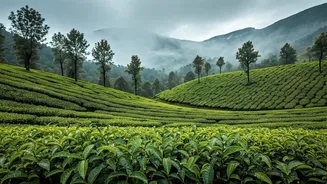
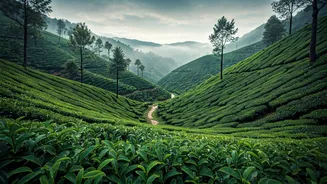
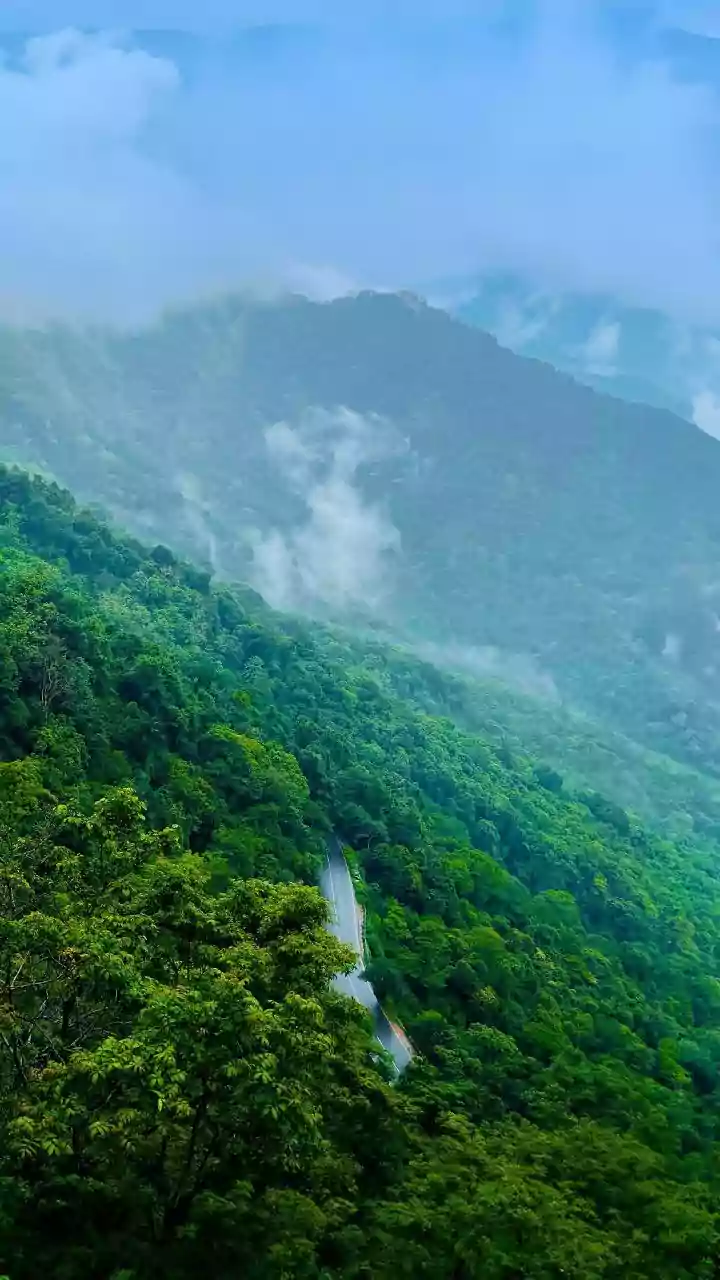
stay away: during the peak monsoon months of June and July. This isn't the Scotland of sunny glens; this is Coorg transformed into a living watercolor painting. The monsoon doesn't dampen the region's spirit—it awakens it. The landscape, already lush, explodes into an impossible number of green shades. The air grows heavy with the scent of wet earth and blossoming flora, and a profound sense of tranquility settles over the hills.
A Symphony for the Senses
A monsoon trip to Coorg, as the British-era name is still popularly known, is an exercise in sensory immersion. The dominant sound is the rain itself—a constant, rhythmic percussion that can range from a soft patter on broad coffee leaves to a powerful downpour that feeds the roaring waterfalls. Visually, it’s a world of mist. It rolls down the valleys in the morning, plays hide-and-seek with the sun in the afternoon, and settles into a thick, cozy blanket at night, obscuring and revealing the landscape in dramatic fashion. You don’t just see the scenery; you feel it. The cool, moisture-rich air is a welcome escape from the heat that grips much of the country, creating a perfect atmosphere for curling up with a book and a cup of locally grown coffee.
The Plantation Stay Experience
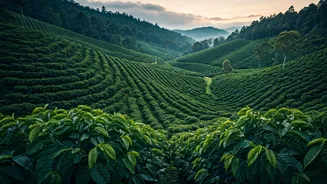
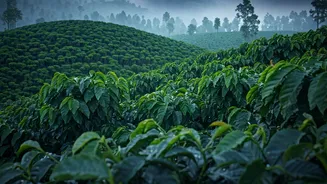
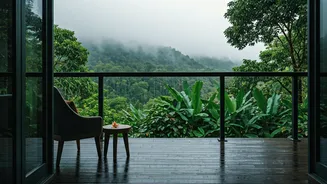
The heart of the Coorg experience is staying on a coffee plantation. The region is dotted with 'homestays' and resorts set amidst acres of coffee and spice groves. These aren't just places to sleep; they are destinations in themselves. Many are colonial-era bungalows with sloping roofs, deep verandas, and antique furniture, offering a direct link to the region's history. Waking up here means your first view is of shimmering, rain-washed coffee bushes, often interspersed with pepper vines clinging to silver oak trees. Hosts often lead guided walks through the plantations, explaining the difference between Arabica and Robusta plants and detailing how the monsoon is a critical, life-giving force for the crop that will be harvested months later. It’s a chance to see the journey from bean to cup in its most elemental form.
Waterfalls, Mist, and Local Flavors
While relaxation is the main event, Coorg offers gentle adventures perfectly suited to the weather. The monsoon swells the region's rivers and streams, turning waterfalls like Abbey Falls and Iruppu Falls into magnificent, thundering spectacles. A short drive or a careful walk through the misty roads reveals viewpoints where the clouds part for a fleeting, breathtaking view of the Western Ghats mountain range. The season also brings out the best in Kodava cuisine. The local food, distinct from other South Indian fare, is hearty and often features foraged greens, bamboo shoots, and warming pork dishes—perfect comfort food for a rainy day. A meal of 'pandi' curry (a rich pork dish) and 'akki rotti' (rice flatbreads) in a cozy plantation dining room is an experience you won't soon forget.