







The Long Reign of the Treadmill
Remember the aerobics boom of the ‘80s? Spandex, leg warmers, and the unwavering belief that getting your heart rate up was the beginning and end of fitness. That philosophy, championed by pioneers like Dr. Kenneth Cooper, who coined the term “aerobics,”
rightly centered cardiovascular health. For generations, the message was simple and powerful: to lose weight and be healthy, you had to burn calories, and nothing seemed to burn calories more efficiently than a 45-minute jog or elliptical session. The “calories in, calories out” model became gospel, and cardio was its high priest. This approach made sense on the surface. You could see the sweat, feel the burn, and watch the calorie counter on the machine tick upward. It was measurable, straightforward, and felt productive. As a result, gyms filled up with rows of treadmills and bikes, while the weight room was often relegated to a smaller, more intimidating corner.
The Metabolic Power of Muscle
The challenge to cardio’s throne comes from a deeper understanding of our metabolism. While a cardio session burns a significant number of calories *during* the activity, its effect largely stops when you do. Strength training, on the other hand, plays a different game. Lifting weights, using resistance bands, or even doing bodyweight exercises creates microscopic tears in your muscle fibers. Your body then uses energy (i.e., burns calories) to repair and rebuild those fibers stronger. This process doesn't just last for a few hours; it fundamentally changes your body's engine. The key is that muscle is metabolically active tissue. A pound of muscle burns more calories at rest than a pound of fat. By increasing your muscle mass through consistent strength training, you effectively increase your resting metabolic rate (RMR). This means your body becomes a more efficient calorie-burning machine, 24/7, even when you're just sitting on the couch. You're not just burning calories during your workout; you're upgrading your entire system to burn more calories all the time.
Building a Body for the Long Haul
The shift away from cardio-centric fitness isn't just about looking better or managing weight. It’s about living a longer, healthier, more functional life. As we age, we naturally lose muscle mass in a process called sarcopenia, which contributes to frailty, poor balance, and a higher risk of falls. Resistance training is the single most effective tool we have to combat this. It also drastically improves bone density. Every time a muscle contracts against a bone during a lift, it stimulates the bone to become stronger and denser, providing a powerful defense against osteoporosis. Furthermore, having more muscle improves your body’s insulin sensitivity. Your muscles act like a storage tank for glucose (sugar) from the food you eat. More muscle means a bigger tank, which helps regulate blood sugar levels and significantly reduces the risk of developing type 2 diabetes. This is about building a body that can carry groceries upstairs, play with grandkids on the floor, and get up easily from a chair well into your 80s and 90s.
So, Where Does Cardio Fit Now?
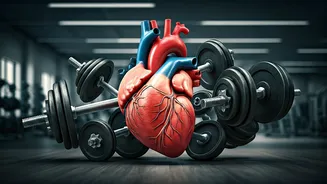
Dethroning cardio doesn’t mean banishing it from the kingdom. That would be a huge mistake. Aerobic exercise remains absolutely essential for heart health, lung capacity, blood pressure regulation, and mental well-being. A healthy heart is non-negotiable, and nothing strengthens it quite like a brisk walk, swim, or bike ride. The new paradigm isn't about “cardio vs. weights.” It's about rebalancing the court. Think of strength training as the foundation of your fitness house—providing structure, stability, and metabolic health. Cardio is the crucial system that keeps everything running smoothly—the plumbing and electricity. You need both. For the average person seeking overall health and a healthy body composition, current guidelines often suggest at least two full-body strength training sessions per week, complemented by 150 minutes of moderate-intensity cardio. The cardio doesn't have to be a grueling hour-long slog; it can be as simple as a daily 20-30 minute walk.