

A River of Epic Proportions
When Americans think of river cruising, they picture the vineyard-lined hills of the Danube or the ancient temples along the Nile. But halfway around the world, a journey of a different scale is capturing the imagination of modern explorers. The Brahmaputra,
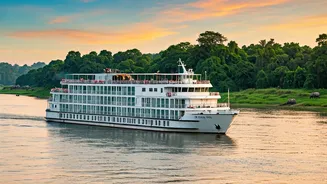
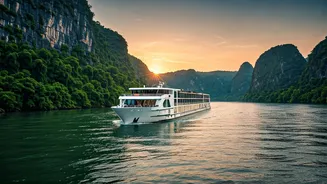
a vast, braided river that thunders from the Himalayas through Tibet and into the Indian state of Assam before emptying into the Bay of Bengal, is not a gentle waterway. It’s a force of nature—at times over 10 miles wide, dotted with sandbars, and flanked by some of the most remote and biodiverse landscapes on the planet. Until recently, navigating this powerful river was left to local ferries and cargo barges. But the launch of high-end, long-distance cruises, most notably the 51-day voyage of the MV Ganga Vilas which traverses 27 different river systems including the Brahmaputra, has thrust this region into the global travel spotlight. These aren’t floating resorts; they are boutique expedition vessels designed to bring a handful of travelers deep into a world few outsiders have seen. The journey is the destination.
The Allure of 'Slow Travel'
The emergence of Brahmaputra cruises isn't just about a new, exotic location. It taps directly into the growing 'slow travel' movement. In a post-pandemic world, many travelers are rejecting the checklist-driven, city-a-day itineraries of the past. They are actively seeking deeper, more meaningful connections with the places they visit. A river journey, by its very nature, is unhurried. The pace is dictated by the current, the landscape unfolds gradually, and the focus shifts from seeing everything to experiencing something authentic. Unlike a 5,000-passenger ocean liner that can overwhelm a small coastal town, a small river vessel with a few dozen guests fosters a more intimate experience. The appeal lies in waking up to the sight of a fishing village coming to life, watching wild water buffalo graze on a river island, or spending an afternoon learning about silk weaving in a local community. It’s a move away from passive sightseeing toward active, immersive engagement.
Beyond the European Mainstays
For decades, the river cruise industry has been dominated by a handful of reliable, beautiful, and immensely popular rivers. The Rhine, Main, Danube, and Seine in Europe, along with the Nile in Egypt, have formed the backbone of the market. They offer a proven formula of cultural landmarks, comfortable sailing, and accessible luxury. But for repeat cruisers and more adventurous travelers, the question has become: what’s next? The Brahmaputra represents the answer. It joins other “expedition cruising” rivers like the Mekong in Southeast Asia and stretches of the Amazon in South America as the new frontier. These destinations trade storybook castles for UNESCO-protected national parks and manicured cities for vibrant, living cultures. On the Brahmaputra, the main attractions aren't cathedrals but the one-horned rhinoceros of Kaziranga National Park and the unique monastic culture of Majuli, the world’s largest river island.
An Expedition, Not a Vacation
Travelers considering a journey on the Brahmaputra should adjust their expectations. The luxury here is not in crystal chandeliers and Broadway-style shows. It’s in the access and expertise. Onboard lectures from naturalists and historians replace casino nights. Excursions aren't by tour bus but by smaller tender boats and safari jeeps. The pinnacle of the experience might be spotting a rare Gangetic dolphin or a critically endangered Bengal tiger. The ships themselves are elegantly appointed but built for purpose, with shallow drafts to navigate the river’s shifting channels and expansive windows to ensure the landscape is always the star of the show. It’s a form of travel that prioritizes enrichment over simple entertainment, offering a profound sense of discovery that feels increasingly rare in our hyper-connected world.