


More Than a Prairie Dress
The American summer style canon is well-established. It’s built on a foundation of comfort and nostalgia: think the pastoral romance of cottagecore, the simple elegance of a 90s slip dress, or the relaxed tailoring of a two-piece linen set. These are
the vintage-inspired silhouettes we return to year after year, evoking images of sun-drenched picnics and coastal getaways. But this season, a powerful and personal current is reshaping these familiar forms. Designers and style-savvy individuals, particularly from the South Asian diaspora, are weaving their heritage into these Western staples, creating a look that’s both brand new and deeply rooted in history.
The Language of Textiles and Thread
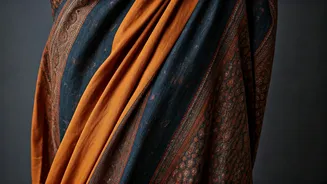
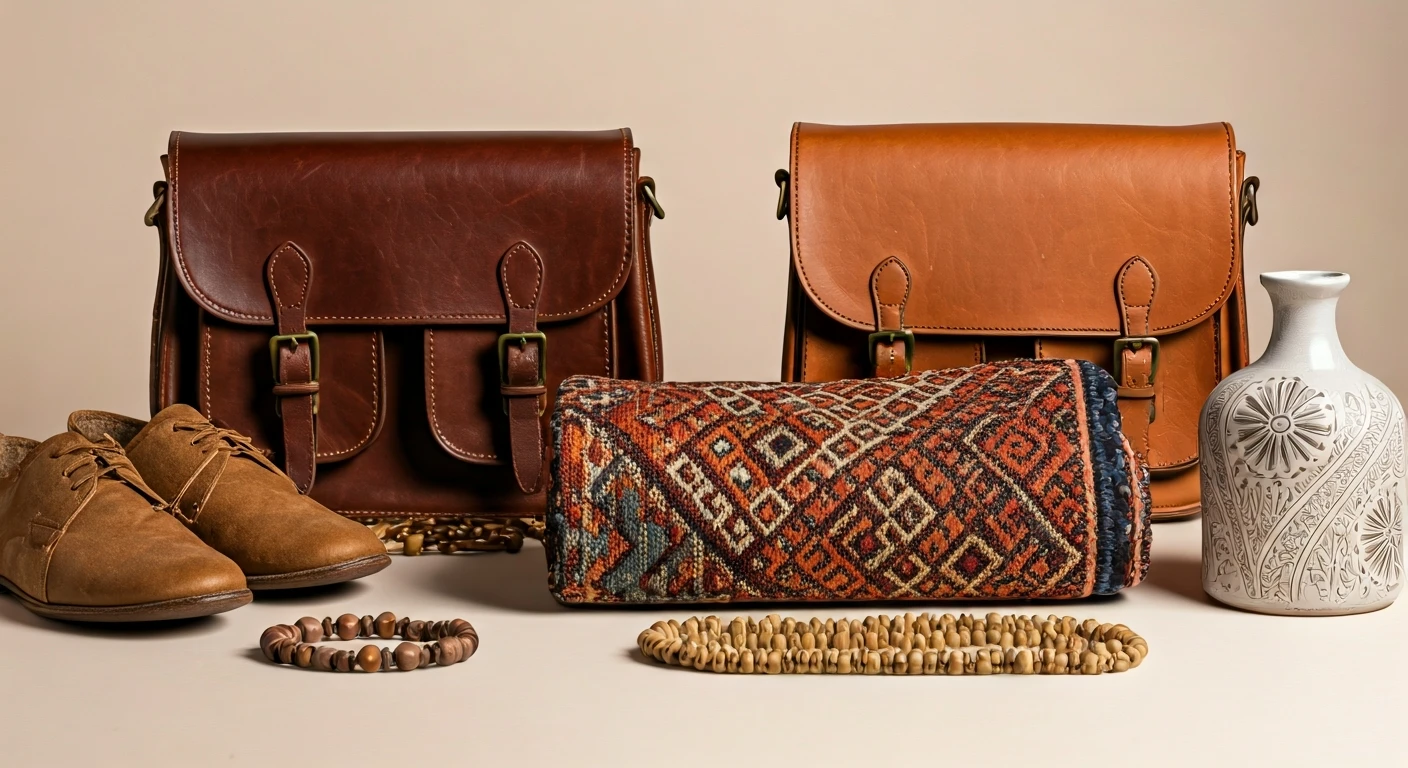
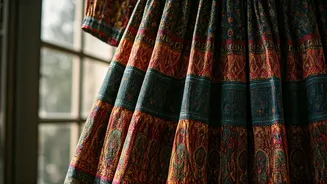
This “Desi refresh” isn’t about simply adding a new color. It’s about introducing a rich vocabulary of craft. That familiar prairie dress silhouette is now appearing in soft, breathable mulmul cotton, hand-stamped with centuries-old Rajasthani block-print motifs. A simple white sundress is elevated with delicate *chikankari*, a traditional floral embroidery from Lucknow that adds texture and shadow. The tie-dye trend finds its soulful counterpart in *bandhani*, a highly skilled tie-dye technique from Gujarat and Rajasthan that produces intricate patterns. These aren’t mere prints; they are stories told through fabric. The appeal lies in the authenticity and the visible touch of the artisan’s hand, a stark contrast to the world of fast fashion. It transforms a simple summer garment into a piece of wearable art, imbued with history and craftsmanship.
A Story of Identity
So, why now? This sartorial synthesis is the beautiful, logical outcome of a generation’s experience. For many second- and third-generation South Asians in the U.S., identity is not a choice between two worlds but a fluid blend of both. They grew up code-switching, navigating American pop culture while maintaining deep connections to their family’s heritage. Fashion is simply catching up to this lived reality. This trend isn’t about “exoticism” or cultural appropriation in the traditional sense; it’s a form of cultural reclamation and expression. It’s about taking the clothes from mom’s suitcase—the beautiful sarees, salwar kameez, and kurtas once reserved for special occasions—and deconstructing their essence to fit a modern, Western wardrobe. The result is a style that feels both deeply personal and universally beautiful.
From Suitcase to Storefront
What once was a DIY effort—pairing a gifted dupatta from a trip to India with a jean jacket, or having a local tailor in Pakistan stitch a modern dress from traditional fabric—has now blossomed into a thriving market. A wave of Desi-owned brands in the U.S. and beyond are at the forefront of this movement. Labels like SANI, Holichic, and NorBlack NorWhite are designing for the very community they represent. They are building a bridge, creating accessible, ready-to-wear collections that honor heritage without being confined by it. They understand the desire for a dress that works for a Saturday brunch in Brooklyn but also carries the soul of Jaipur. By making these pieces available online, they have moved the aesthetic from a niche, insider secret to a celebrated mainstream trend that anyone who appreciates good design can embrace.