




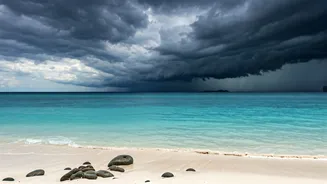

First, Understand the Two Monsoons
Mentioning “monsoon season” in the Andamans is an oversimplification. This archipelago experiences two distinct patterns, and knowing the difference is the first step to smarter planning. The main event is the southwest monsoon, which typically runs from
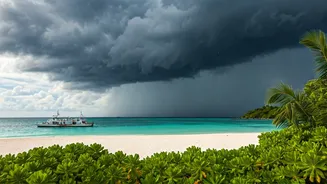
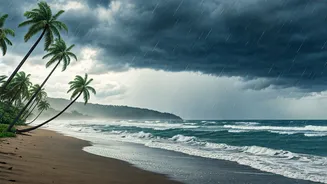
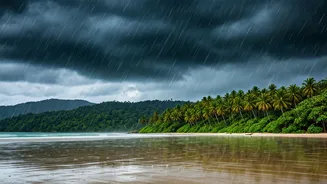
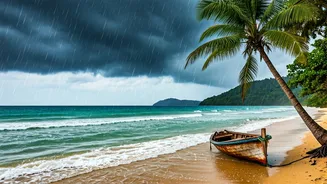
late May through September. This is the “heavy” monsoon, characterized by strong winds, rough seas, and frequent, intense downpours. In contrast, the northeast monsoon, from October to December, is generally milder. It brings less rain and calmer seas, making it more of a transitional period than a full-blown rainy season. If you have flexibility, targeting the tail end of the season (late September) or the lighter northeast monsoon can offer a sweet spot of lush landscapes with more manageable weather.
Embrace the Off-Season Advantages
Why travel during the rain? For starters, the crowds vanish. Popular spots like Radhanagar Beach on Havelock Island (Swaraj Dweep), which are packed in peak season, feel like private discoveries. The landscape transforms into an impossibly vibrant green, with dramatic, cloud-filled skies creating a moody and photogenic atmosphere. And, of course, there are the prices. Flights and accommodations can be significantly cheaper. The rain forces a slower pace, encouraging you to linger over a coffee, read a book, or simply watch the storms roll in from the comfort of a dry bungalow. It’s not a compromised trip; it’s a different kind of trip, one focused on atmosphere over constant activity.
Rethink Your Island-Hopping Itinerary
In peak season, travelers hop between Port Blair, Havelock (Swaraj Dweep), and Neil Island (Shaheed Dweep) with ease. During the monsoon, this is a recipe for disaster. Ferry services, both government-run and private, are frequently delayed or canceled due to rough seas. Building an itinerary that requires you to be on a different island every two days is asking for trouble. A smarter strategy is to pick one main base and explore from there. Havelock is often the best choice, as it has enough infrastructure and activities to keep you occupied even when the weather turns. Or, base yourself in Port Blair to explore its historical sites, like the infamous Cellular Jail and the Ross Island ruins, which are less weather-dependent.
Adjust Your Bucket List Activities
Deep-sea diving and snorkeling in open water are often the main draws of the Andamans, but monsoon conditions can make them unsafe. Visibility drops, and currents become unpredictable. Many dive shops shut down or operate on a very limited basis. Instead of fighting it, adapt. Look for dive centers that specialize in sheltered, shore-based dives which may still be possible. Shift your focus to land-based activities. The rain-washed forests are perfect for short, guided treks—just be prepared for mud. Exploring local markets, trying your hand at a cooking class, or visiting the anthropological museum in Port Blair are excellent rainy-day alternatives that offer a deeper connection to the place.
Pack for a Tropical Downpour, Not a Drizzle
Your packing list needs a serious overhaul. A flimsy poncho won’t cut it. Invest in a proper, breathable rain jacket. Instead of cotton that stays damp for days, pack quick-dry clothing. The most crucial item is a reliable dry bag to protect your passport, phone, and camera. Footwear is key: leave the flip-flops at home, as they become dangerously slippery. Opt for sturdy, waterproof sandals with good grip or a pair of lightweight, quick-drying trail shoes. Finally, with all the dampness comes mosquitoes; a strong insect repellent containing DEET is non-negotiable.
Book Flexibly and Stay Connected
This is not the time for rigid, prepaid, non-refundable bookings. When booking flights and hotels, look for flexible policies that allow for changes. The weather can and will disrupt your plans. Once you’re on the ground, stay informed. Talk to your hotel staff, local tour operators, and fishermen—they have the most accurate, up-to-the-minute information on weather and sea conditions. Official forecasts are helpful, but local knowledge is invaluable for deciding whether that day trip is a good idea or a risk not worth taking.