
The End of the Glossy Era
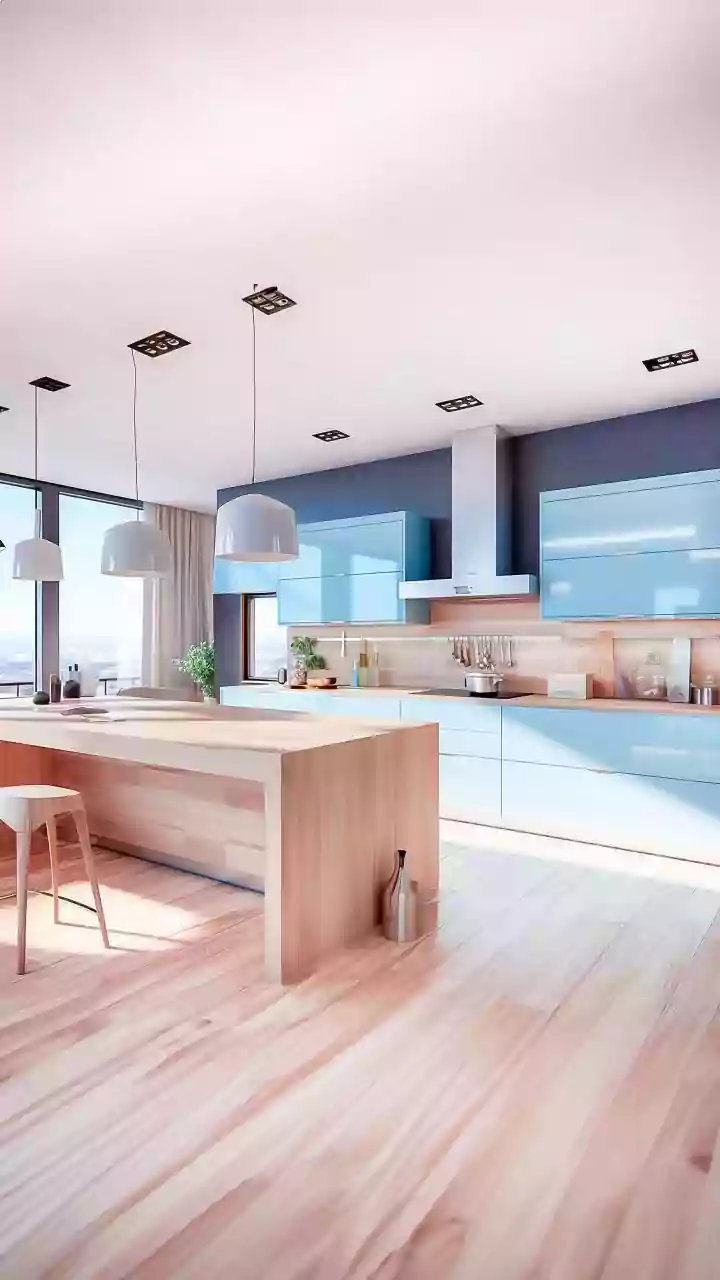
For a couple of decades, the aspirational Indian home looked a lot like a page from a generic global catalog. Think high-gloss laminate kitchens, perfectly smooth acrylic surfaces, and furniture that prized a factory-made sheen above all else. This was
the era of 'plastic-perfect,' an aesthetic driven by a desire for a clean, modern, and often Westernized look that signaled new money and a break from the past. It was about flawlessness, replicability, and a certain kind of sterile luxury. Polished marble floors were so bright you could see your reflection, and anything old or handmade was often seen as dated rather than desirable. This look was a status symbol, a clear indicator that one had 'arrived' in a globalized world. But as with any trend that prioritizes perfection over personality, its appeal has begun to fade.
An Indian Take on Imperfection
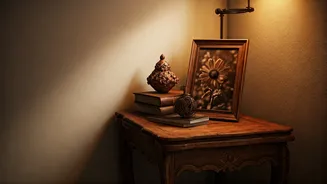
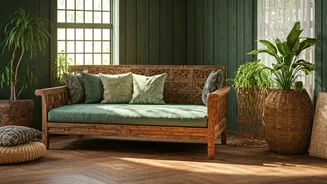
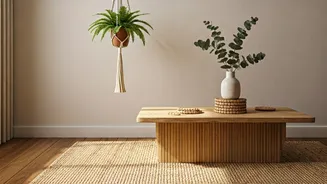
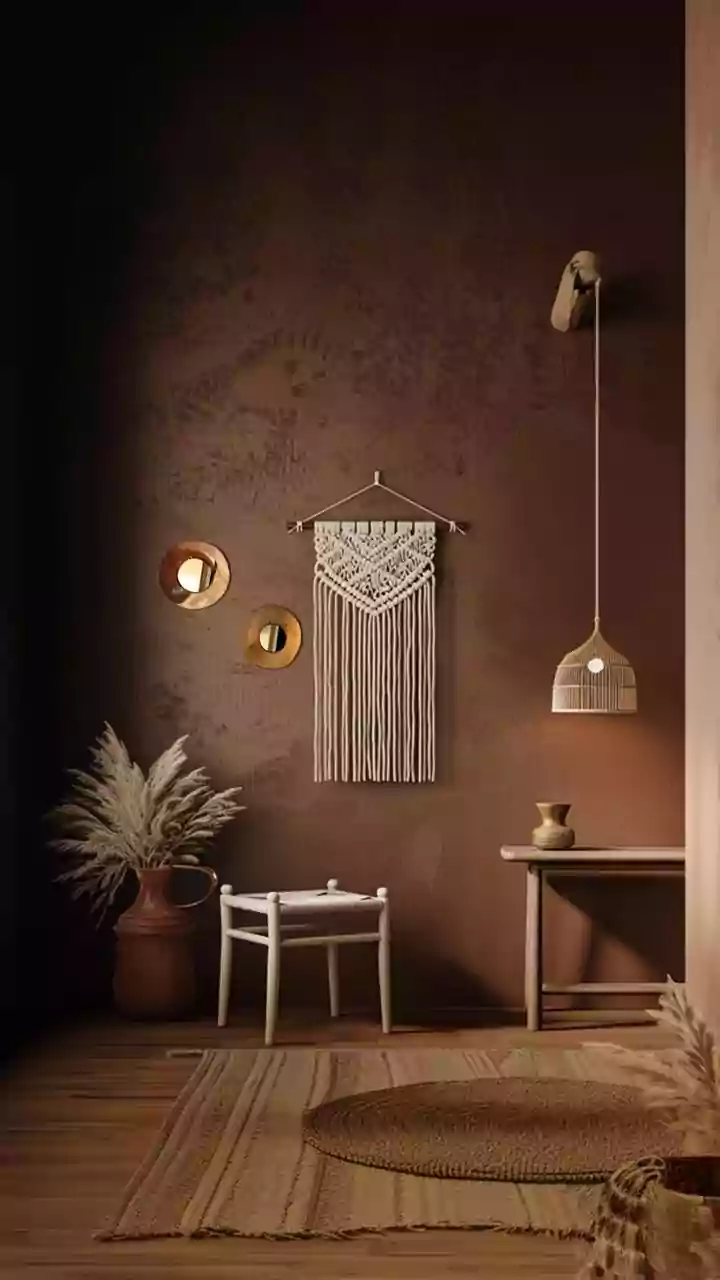
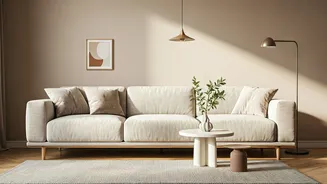
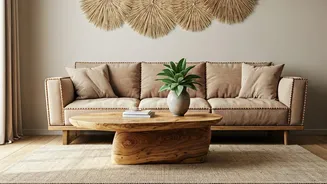
The new wave of Indian interior design is embracing a philosophy that could be described as a cousin to the Japanese concept of wabi-sabi—finding beauty in imperfection, transience, and authenticity. But this isn't a simple copy-paste job. It's a distinctly Indian interpretation, rooted in the subcontinent's own rich history of materials and craftsmanship. Architects and designers are now championing what they call 'truth to materials.' Instead of covering a wall with flawless paint, they might use lime plaster (a traditional technique known as 'arish' in some regions), which has a soft, chalky, and subtly uneven texture. They're celebrating the grain of reclaimed teak wood, the subtle color variations in handmade tiles, and the cool, porous nature of locally quarried stones like Kota or Jaisalmer. This is a multisensory experience; it’s about how a space feels, not just how it looks in a photograph.
A Return to Roots and Craft
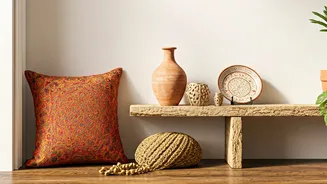
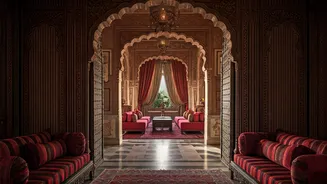
So, why the shift? It’s more than just a passing fad. This move toward 'real' materials is tied to a growing cultural confidence and a renewed appreciation for localism and sustainability. There's a conscious turning away from imported, mass-produced goods in favor of supporting local artisans and celebrating indigenous skills. Why import Italian marble when India has its own stunning varieties of stone? Why buy a particleboard cabinet when you can have one crafted from solid wood by a local carpenter? This trend is about storytelling. A hand-block-printed textile from Rajasthan or a piece of Bidri metalwork from Karnataka isn't just a decorative object; it's a piece of cultural history, a connection to a specific place and a tradition passed down through generations. Filling a home with these items is a way of weaving a personal and national narrative into the very fabric of one's living space.
The New Luxury is Lived-In
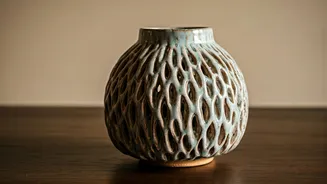
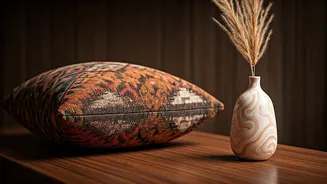
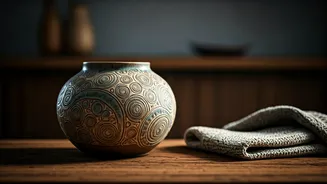
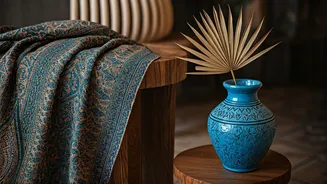
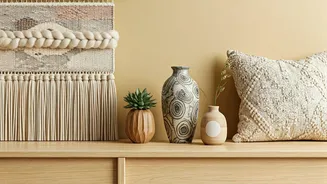
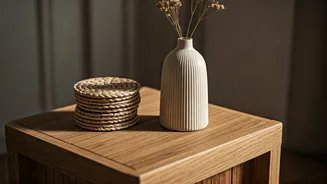
Ultimately, what this trend signifies is a redefinition of luxury. The old luxury was about untouchable perfection. The new luxury is about creating a home that feels deeply personal, comfortable, and alive. It's the patina on a vintage brass pot, the slight imperfections in a hand-thrown ceramic vase, the way sunlight falls across a raw silk cushion. These are spaces designed to be lived in, not just admired from afar. Homeowners are commissioning one-of-a-kind furniture, collecting regional art, and allowing their homes to evolve over time, gathering layers of stories and memories. The goal is no longer to have a home that looks like a pristine hotel lobby, but one that is a true reflection of the people who live there—their history, their travels, their values, and their appreciation for the beautifully imperfect.