


Celebrate the Longest Day of the Year
The summer solstice, falling around June 20th or 21st, isn't just an astronomical event; it's a perfect excuse for a memorable outdoor experience. As the Northern Hemisphere tilts closest to the sun, we get the longest period of daylight all year. Many
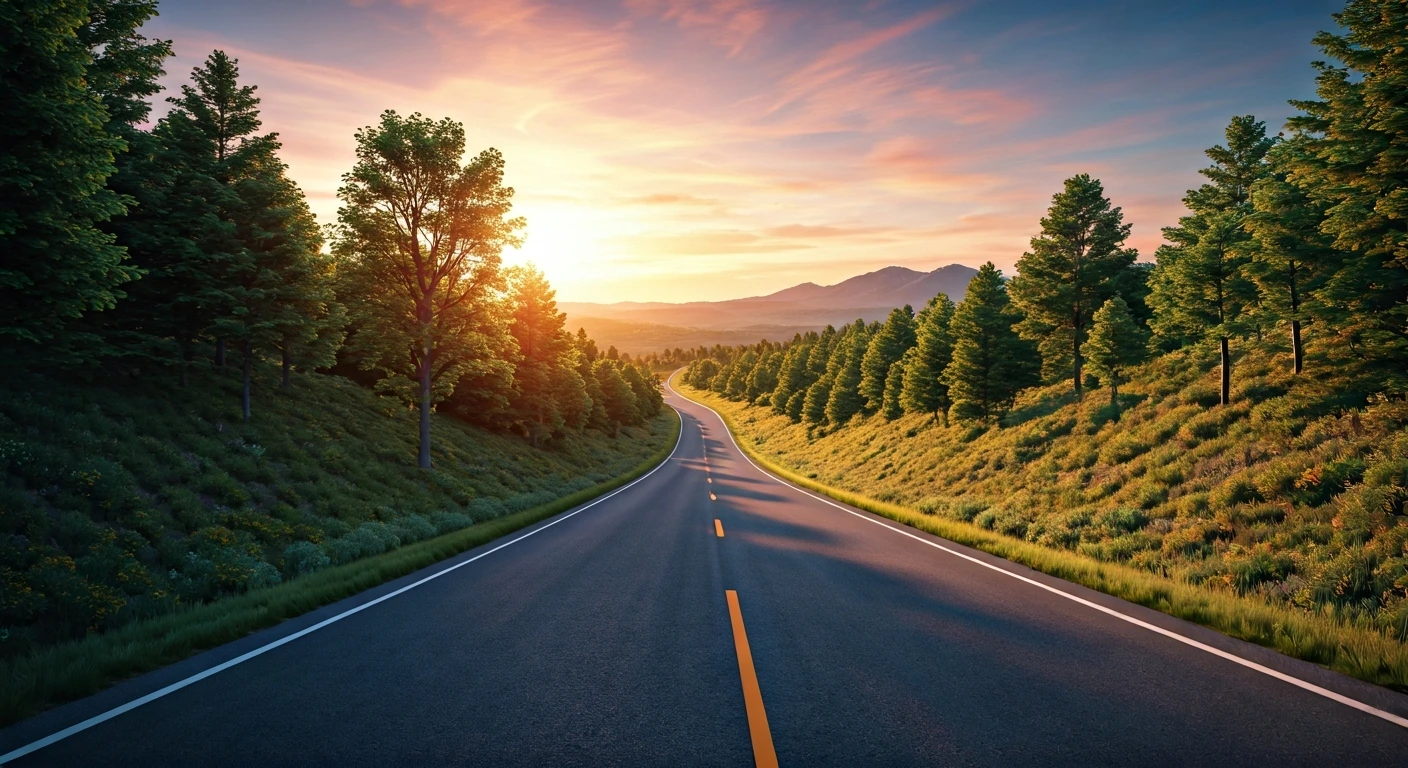
cultures have celebrated this day for millennia. You can create your own tradition by planning a 'sunrise to sunset' adventure. Start with a dawn hike to watch the sun come up, spend the day kayaking or exploring a new trail, and cap it off by finding a scenic western-facing spot to watch the day's final moments. It’s a simple but profound way to connect with the rhythm of the seasons, and the extra hours of light make ambitious day trips feel much more manageable.
Chase the Synchronous Fireflies
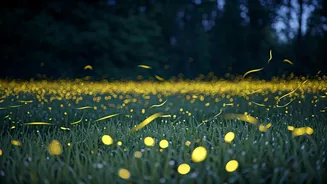
Forget the scattered blinking you remember from childhood. In a few special places in the U.S., you can witness a truly magical natural light show: synchronous fireflies. For a few weeks in late May and early June, thousands of fireflies of a specific species (Photinus carolinus) flash their lights in unison. The most famous viewing area is in Great Smoky Mountains National Park, where access is so coveted it’s managed by a lottery system. However, similar phenomena occur in smaller populations in other Appalachian regions and even as far as Pennsylvania. It’s a silent, pulsating rave put on by nature, creating waves of light that flow through the dark forest. Researching local conservation areas or smaller state parks near you might reveal a hidden spot to witness this breathtaking spectacle without the massive crowds.
Score Free Access During Great Outdoors Month
June is officially designated as Great Outdoors Month, and many federal and state agencies celebrate by making it easier and cheaper to get outside. The National Park Service often designates a fee-free day in June to commemorate the Great American Outdoors Act—typically around Juneteenth. This means no entrance fees at parks that normally charge them, like Yellowstone, Zion, or the Grand Canyon. Beyond the big national parks, many states use June to host 'Free Fishing Days,' where you can fish in public waters without a license. It’s the perfect, no-commitment way to try out a new hobby. Check your state's fish and wildlife department website for specific dates and make a plan to cast a line.
Watch the Ocean Glow at Night
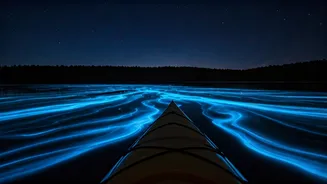
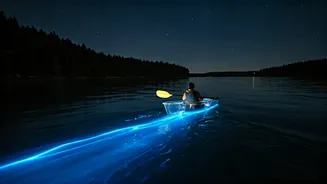
If you're near a coast, June is a prime time to go looking for bioluminescence. This otherworldly glow is caused by massive blooms of tiny marine organisms called dinoflagellates. When agitated by waves, a kayak paddle, or even your hand, they emit a brilliant blue-green light. While famous in places like Puerto Rico's 'Bio Bays,' this phenomenon occurs along both the Pacific and Atlantic coasts of the U.S. In California, these 'red tides' (so-called because they can give the water a rusty tint by day) often create spectacular glowing surf at night. On the East Coast, spots from Florida to Maine can have their own displays. The best viewing is on a dark, moonless night away from city lights. Wading into the water and seeing it light up around your feet is an experience you won't soon forget.
Find a Festival Beyond the Music Stage
Summer festival season is in full swing, but the most exciting events aren't always about music. June is a hotspot for unique, outdoor-focused gatherings. Look for adventure film festivals, like the traveling Banff Mountain Film Festival or smaller local showcases, often held in outdoor amphitheaters. It’s like a drive-in movie for adrenaline junkies. The month also sees a boom in trail running festivals, which combine races of various distances with a weekend of camping, clinics, and community. These events are less about winning and more about challenging yourself in a beautiful setting. From mountain bike festivals to outdoor yoga retreats, there’s a gathering for nearly every interest that uses the perfect June weather as its backdrop.