

The Rise of a Scrappy Chef
On TikTok and YouTube, where culinary trends often chase extravagance, Kairi Tan is building an empire on what others throw away. With millions of followers, her channel, Kairi Cooking, has become a go-to destination for anyone curious about sustainable
living but intimidated by the concept. Tan isn't a preachy, zero-waste purist demanding perfection. Instead, she’s a relatable and creative home cook who approaches a pile of vegetable scraps with the same enthusiasm a Michelin chef might reserve for a truffle. Her journey began not as an environmental crusade, but from a practical, everyday dilemma: a desire to get the most out of her groceries. This simple motivation resonated deeply. In a time of rising food costs and growing awareness of our environmental footprint, Tan’s content hit a nerve. She provides a solution that feels empowering, not restrictive, showing that being less wasteful doesn't mean eating less joyfully. It might just mean eating more creatively.
From Kitchen Trash to Culinary Treasure
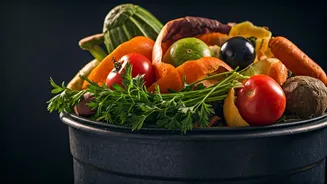
The magic of Kairi Cooking lies in the transformation. Tan's videos are a masterclass in culinary alchemy, turning would-be compost into crave-worthy dishes. She takes the fibrous, often-discarded stems of broccoli and kale, shaves them thin, and turns them into a crunchy, vibrant slaw. The green tops of carrots, which usually meet a swift end in the garbage disposal, are blitzed with nuts, garlic, and olive oil to become a peppery, bright pesto perfect for pasta. Her ingenuity knows few bounds. Stale bread isn't a lost cause; it’s the foundation for golden-brown panzanella, savory croutons, or finely ground breadcrumbs. She even tackles the most overlooked scraps, like banana peels, which she boils, shreds, and seasons to create a shockingly convincing plant-based pulled “pork.” Each recipe is a revelation, reframing what we consider “edible” and challenging the ingrained habit of automatically binning anything that isn't the primest part of the produce. She makes you look at an onion peel and wonder, “What could you become?”
An Answer to an American Problem
While Tan’s approach is fun and accessible, it addresses a serious issue. According to the USDA, food waste in the United States is estimated at between 30–40 percent of the food supply. This translates to billions of pounds of food and staggering amounts of wasted water, energy, and labor, all while millions of Americans face food insecurity. The problem is so vast it can feel paralyzing. This is where Kairi Cooking’s impact is most profound. Instead of focusing on overwhelming statistics, Tan offers small, tangible actions. She breaks down the intimidating concept of “sustainability” into a series of simple, delicious choices. Her content doesn’t induce guilt; it sparks curiosity. By showing how to use the whole vegetable or revive a forgotten ingredient, she provides a powerful entry point for people who want to do better. She proves that individual action, when multiplied by millions of viewers, can start to shift a culture of disposability, one kitchen at a time.
Adopting the Scrappy Mindset
Beyond specific recipes, the greatest lesson from Kairi Tan is the adoption of a “scrappy mindset.” It’s a shift in perspective that encourages you to see potential before you see trash. It starts with asking simple questions before you throw something away: Can this be eaten? Can it be used to flavor something else? Can it be revived? This mindset encourages a more intimate and respectful relationship with our food. It means seeing a Parmesan rind not as waste, but as a flavor bomb for your next soup stock. It’s saving bacon grease for roasting vegetables or using citrus peels to infuse vinegar for a homemade cleaning spray. It’s a return to a more resourceful way of living that our grandparents might recognize, updated for the modern, internet-savvy kitchen. It’s less about following a specific recipe and more about embracing a philosophy of creative conservation.