

The Mango of Kings
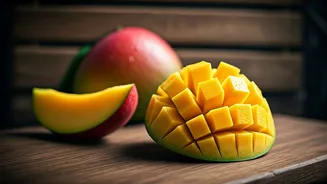
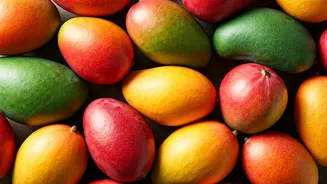
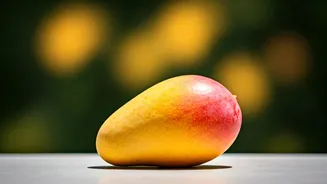
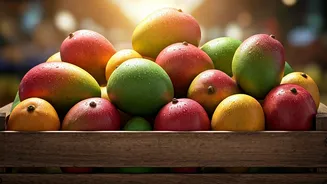
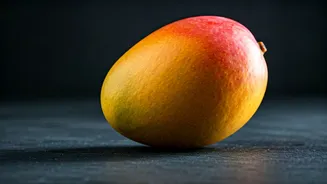
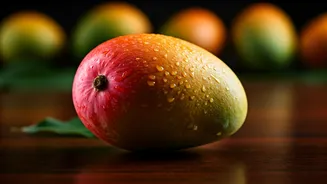
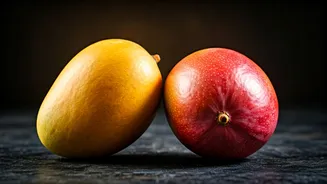
In the sprawling orchards of Malihabad, a town near the city of Lucknow in northern India, the summer air is thick with the scent of Dasheri mangoes. These aren't the large, reddish-green fruits most Americans are used to. Dasheris are smaller, with a golden-yellow
skin that wrinkles slightly when perfectly ripe. Their flesh is a deep, saffron-colored pulp, completely free of the fibrous strings that can mar the mango experience. The flavor is a complex symphony of honey, apricot, and melon, so intensely sweet and aromatic that in India, they are not just eaten; they are revered. For generations, these mangoes, along with other prized varieties like the Alphonso and Chaunsa, were the stuff of legend in the U.S.—a delicacy you could only experience if you traveled to India or knew someone willing to smuggle them back. They were the taste of a faraway summer, a fruit woven into the cultural fabric of a nation, but one that remained firmly out of reach for American consumers.
The Great Fruit Barrier
The reason for this decades-long mango blockade wasn't a matter of taste, but of caution. For years, the U.S. Department of Agriculture (USDA) banned the import of fresh Indian mangoes due to concerns about invasive pests, particularly the fruit fly. The fear was that these tiny insects, harmless to humans, could hitch a ride on the fruit and devastate American crops. Finding a way to guarantee the mangoes were pest-free without destroying their delicate texture and flavor was a monumental challenge. Traditional methods like hot water treatment worked for some mango varieties, but they often turned the prized Indian cultivars into a mushy, disappointing version of their true selves. For growers in India and specialty food importers in the U.S., it was a frustrating impasse. The world’s largest mango producer was effectively locked out of one of the world’s most lucrative markets, leaving American food lovers to wonder what they were missing.
A Revolution by Irradiation
The breakthrough came not from a new trade agreement, but from a decades-old technology: irradiation. While the word may sound alarming, the process is a simple and safe form of food preservation, often compared to pasteurization for milk. After being harvested, the mangoes are sent to a special facility where they are briefly exposed to low-level gamma rays. This process effectively neutralizes any pests and their eggs without making the fruit radioactive or significantly altering its taste, texture, or nutritional value. In 2007, the U.S. and India finally agreed on a framework allowing irradiated mangoes to be imported. This was the quiet 'shot heard 'round the world' for mango lovers. After a brief pandemic-related pause when U.S. inspectors couldn't travel to India, the program has roared back to life. This technological fix is the engine of the mango revolution, bridging the gap between ancient orchards and modern food safety standards.
The Journey from Tree to Table
Getting a delicate, perfectly ripe mango from an orchard in Uttar Pradesh to a grocery store in California is a race against time. The journey is a masterclass in global logistics. The mangoes are hand-picked, carefully sorted, and packed into crates. They are then trucked to one of the few approved irradiation facilities in India before being sent to an airport for their flight to the U.S. Upon arrival, they are inspected one last time before being distributed to specialty grocers and South Asian markets across the country. Because of the expense of air freight and the complex process, these mangoes come with a premium price tag—often several dollars per fruit. But for those who have tasted one, the cost is a small price to pay for a transcendent culinary experience. It’s the price of tasting a fruit at the absolute peak of its potential.