


Why Pruning Before the Rains is a Smart Move
The summer monsoon season in the American Southwest is a dramatic, life-giving event. But the powerful combination of high winds and torrential downpours can be brutal on our landscapes. Trees and shrubs that have spent the spring putting on dense, leafy
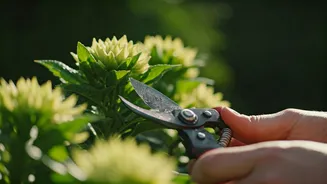
growth become top-heavy, acting like sails in the wind. This makes them highly susceptible to broken limbs, uprooting, and significant damage. Pre-monsoon pruning is a defensive strategy. By selectively thinning the canopy of trees and shrubs, you reduce wind resistance, allowing gusts to pass through the plant rather than pushing against it. This isn't about giving your plants a drastic haircut; it’s about strategically removing weight and weak points. The result is a stronger, more resilient plant structure that is less likely to break during a storm, saving you from costly damage and the heartbreaking loss of mature specimens.
Timing is Everything: The Ideal Pruning Window
In gardening, timing is as important as technique. For pre-monsoon pruning, the sweet spot is typically in late spring or early summer—think May and June. This window is ideal for several reasons. First, the risk of a late frost has passed, so new growth spurred by pruning won't be damaged by cold. Second, you are working before the first storms arrive, which usually begin in late June or early July.
Pruning during this period gives the plant enough time to heal its wounds before the onslaught of summer moisture, which can sometimes introduce disease into fresh cuts. It also allows you to see the plant’s structure clearly before it’s obscured by the flush of new growth that the rains will inevitably trigger. Pruning too early can encourage weak growth that isn’t hardened off, while pruning too late (once the rains have started) defeats the purpose and can stress the plant.
What to Prune (and What to Leave Alone)
Not all plants are created equal when it comes to pre-monsoon pruning. Your primary targets should be the woody plants that bear the brunt of summer storms.
**Good Candidates for Pruning:**
* **Desert Trees:** Native and adapted trees like mesquite, palo verde, and ironwood benefit immensely from thinning. Their fast growth can lead to weak branch unions that easily split in high winds.
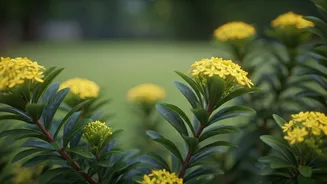
* **Large Shrubs:** Fast-growing shrubs such as Texas sage, creosote, and hopseed bush can become overgrown and leggy. Thinning them out improves air circulation and reduces their overall mass.
**Plants to Approach with Caution:**
* **Citrus Trees:** Avoid heavy pruning of citrus in the early summer. The dense leaf canopy protects the bark and developing fruit from sunburn, which can be severe in the intense desert sun.
* **Frost-Sensitive Plants:** For plants that are sensitive to cold, it’s often better to wait until late winter or early spring for major pruning, as their foliage provides insulation.
* **Flowering Plants:** Be mindful of bloom cycles. If you prune a shrub right before it’s meant to flower, you’ll be cutting off the season’s display.
The Three Rules of Smart Pruning
Effective pruning is more of an art than a science, but following a few key principles will ensure you’re helping, not harming, your plants.
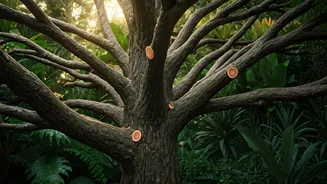
1. **Thin, Don't Top:** "Topping," or shearing off the entire top of a tree, is one of the worst things you can do. It encourages a flush of weak, vertical shoots and creates large wounds that invite disease. Instead, focus on thinning cuts. This involves removing entire branches back to their point of origin on a larger limb or the trunk. This opens up the canopy without destroying the plant’s natural shape.
2. **Focus on the "Three D's":** Your first priority should always be removing any branch that is **Dead, Damaged, or Diseased**. These are weak points that are most likely to fail in a storm and can harbor pests or pathogens. Also, look for branches that are rubbing against each other, as this creates wounds and weak spots.
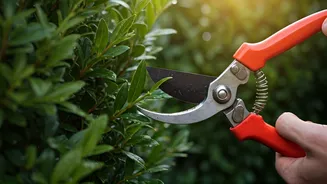
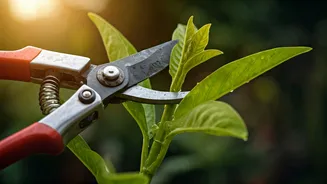
3. **Make Clean Cuts:** Use sharp, clean bypass pruners, loppers, or a pruning saw. A clean cut heals more quickly and effectively than a ragged tear. For larger limbs, use the three-cut method to prevent the bark from tearing down the trunk as the branch falls.