


First, Understand the Institution of Rasam
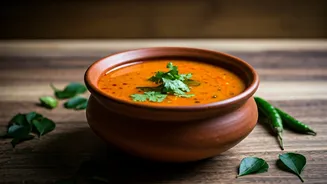
Before we get to the family drama, you need to understand the sacred institution that is rasam. For the uninitiated, rasam is the soul of a South Indian meal. It’s a thin, brothy, and intensely aromatic soup that hits every part of your palate: sour,
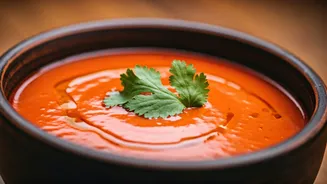
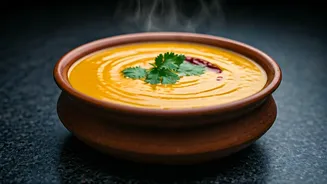
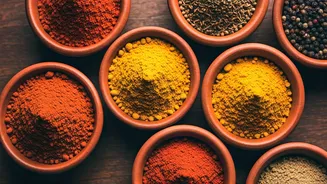
spicy, salty, and deeply savory. Typically built on a base of tamarind or tomato, it’s laced with a signature blend of spices like black pepper, cumin, and coriander, and often finished with a fragrant sizzle of mustard seeds, curry leaves, and asafoetida in ghee. Rasam is not just a dish; it’s a cure-all. Feeling a cold coming on? There’s a peppery rasam for that. Need something to aid digestion after a heavy meal? Rasam. Craving pure, unadulterated comfort? A bowl of hot rice mixed with rasam is the South Indian equivalent of a warm hug. It’s a constant, a reliable fixture on the dinner table that’s both medicinal and delicious. Its identity is rooted in its tangy, savory, and spicy profile. Sweetness is not invited to this party. Or so most people think.
Enter the Agent of Chaos: Ripe Mango
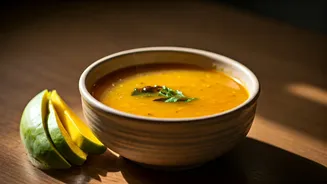
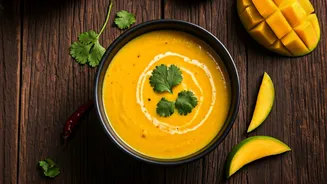
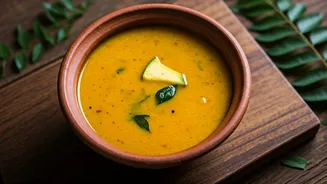
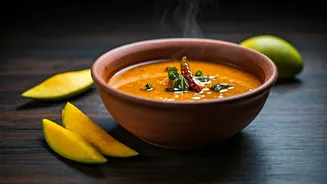
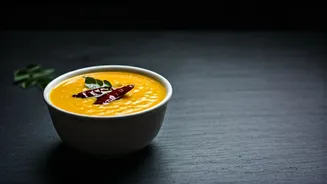
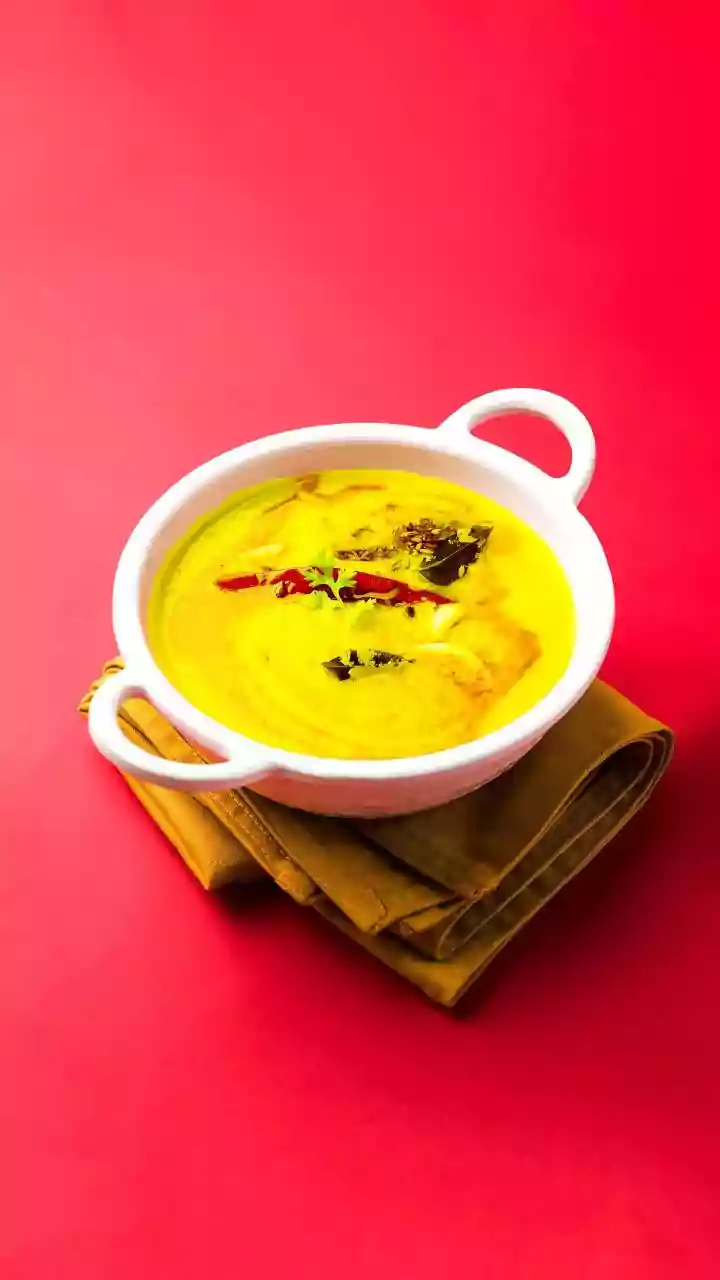
Now, imagine taking this beloved, savory staple and introducing a bold, sweet, and undeniably fruity element: ripe mango. This isn’t the tart, green mango used for pickles; this is the sweet, pulpy, golden-fleshed star of summer desserts. The very idea can feel like a culinary betrayal. Mambazha Rasam, or Mango Rasam, does exactly that. It’s a seasonal specialty, most prominent in parts of Kerala and Tamil Nadu, that appears when mango season is at its peak. In this variation, the sweetness of ripe mango pulp either complements or entirely replaces the traditional sourness of tamarind. The result is a stunningly complex liquid that’s simultaneously sweet, tangy, and spicy. It’s a flavor profile that doesn't just push the envelope—it tears it open.
The Great Flavor Divide
Herein lies the division. For rasam purists, this is sacrilege. They argue that the fundamental character of rasam is its savory, peppery heat and acidic tang. Introducing a dominant sweetness turns it into something else entirely—a dessert soup, perhaps, but not *rasam*. To them, it’s like putting pineapple on a classic Neapolitan pizza; it might be tasty to some, but it fundamentally breaks the rules. This camp believes in the comforting consistency of the traditional recipe, a flavor passed down through generations that should not be tampered with. On the other side are the seasonalists and innovators. They argue that cooking should reflect the bounty of the land. When mangoes are falling from the trees, why wouldn't you incorporate them into everything? For them, Mango Rasam isn't a betrayal of tradition but a celebration of it, honoring the ingredient of the moment. They champion its unique balance, the way the sweetness of the fruit is cut by the heat of the chilies and the earthiness of the spices. This isn’t a modern, fusion invention, they point out; it’s a regional, seasonal classic in its own right, a testament to the versatility of South Indian cuisine.
Why This Argument Is a Good Thing
This culinary clash isn't just about a soup. It’s about the very nature of tradition. Is tradition a rigid set of rules to be preserved in amber, or is it a living, breathing thing that adapts and evolves? A dish like Mango Rasam proves that food is a dynamic form of culture. The “arguments” it inspires—passionate debates over a steaming pot—are what keep that culture vibrant and alive. Making it involves simmering chunks of ripe mango in a spiced broth, sometimes with a touch of tamarind to balance the sweetness, and finishing it with that classic tadka (tempering) of spices in hot oil. When you taste it, you understand the controversy. The first spoonful is a shock to the system if you're expecting classic rasam, but by the third, you start to appreciate the dance of sweet, sour, and spice. It’s confusing, delightful, and utterly memorable—just like the best family debates.