






The Great Log-Off
For generations, the pinnacle of summer vacation was a packed car heading toward the coast. The goal was sun, sand, and seeing and being seen. But in an era of digital saturation and chronic burnout, the definition of a restorative escape is shifting.
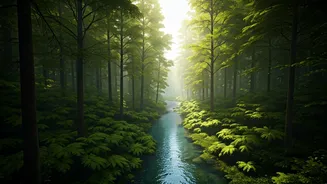
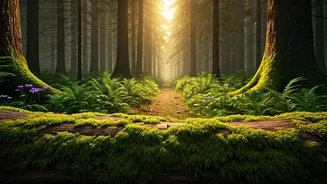
Enter the forest getaway. From rustic A-frame cabins in the Pacific Northwest to modern hideaways in the Catskills, Americans are increasingly seeking solace among the trees. This isn't just about camping; it's a conscious choice to disconnect from the noise and reconnect with something more fundamental. The new vacation ideal isn't a bustling boardwalk but a silent, star-filled night sky viewed from a wooden deck, the only soundtrack being the chirping of crickets. It’s a deliberate pivot from performative leisure to genuine restoration.
It's About Value, Not Just Price
Let's talk about the 'smart' part of the equation. A traditional beach vacation in a popular U.S. destination can be an exercise in financial pain. Soaring flight costs, exorbitant resort fees, and overpriced everything—from parking to cocktails—can leave you feeling more stressed than when you left. A forest getaway, by contrast, often offers superior value. While luxury woodland retreats certainly exist, the barrier to entry is generally lower. Many of the country’s most beautiful forests are within driving distance for millions of Americans, immediately eliminating the biggest travel expense. Cabin rentals on platforms like Airbnb and Vrbo frequently provide more space and amenities (like a full kitchen) for less than a standard hotel room in a tourist hot spot. This isn't about being cheap; it's about being strategic. The money saved on travel and lodging can be reinvested into quality experiences, like a fantastic meal at a local farm-to-table restaurant or simply a longer, more relaxing trip.
The Undeniable Wellness Factor
The Japanese have a term for the therapeutic benefits of being among trees: *shinrin-yoku*, or 'forest bathing.' The concept, backed by a growing body of scientific research, suggests that spending mindful time in a forest can reduce stress, lower blood pressure, improve mood, and boost immune function. In our hyper-stimulated world, the quiet of the woods isn't empty; it's full of restorative power. The air is cleaner, the sounds are natural, and the constant sensory input of city life finally ceases. A forest getaway is a prescription for the modern condition. It forces a slower pace. There are no urgent notifications to check, only the path ahead. This profound psychological dividend is perhaps the most significant reason why a trip to the woods feels so intelligent right now. It’s an investment in your mental well-being, with returns that last long after you've returned to your daily routine.
The New Definition of a 'Flex'
For years, the ultimate travel 'flex' on social media was an infinity pool overlooking a turquoise sea or a selfie from a packed European landmark. But the currency of status is evolving. Today, a photo of a steaming mug of coffee on the porch of a secluded cabin, surrounded by towering pines, signals something different—and arguably more desirable. It communicates a sense of peace, an appreciation for quiet luxury, and an 'in-the-know' sensibility. It says, 'I don't need the chaos of the crowd to feel fulfilled.' This new flex is less about conspicuous consumption and more about curated experience. It’s about choosing tranquility over tourism, and authenticity over artifice. In a world where everyone is chasing the same handful of 'Instagrammable' spots, opting for the understated beauty of the forest demonstrates a quiet confidence and a more refined set of priorities.