


The End of 'Not Enough Light'
For years, the excuse “I just don’t have enough light” was a valid reason for a plant-free home. The only alternatives were bulky, buzzing, heat-blasting fluorescent shop lights or expensive, industrial-grade horticultural lamps that made your living
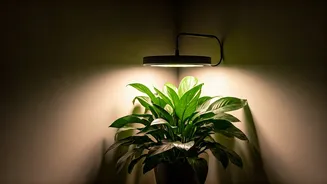
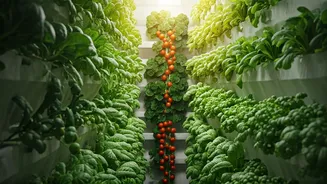
room look like a science lab. That reality is officially over. Sleek, slim, and energy-efficient LED panels have completely changed the game. These devices are designed specifically to provide the kind of light plants crave, allowing you to create a lush, green oasis literally anywhere—from a dim hallway to a basement office with no natural light at all. They run cool to the touch, use a fraction of the electricity of their predecessors, and are now stylish enough to blend into modern home decor.
How Light Becomes Plant Food
So, how can a simple panel replace the sun? It comes down to science, but the concept is simple. Plants don't just need brightness; they need specific wavelengths of light to perform photosynthesis, the process of converting light into energy. Outdoor sunlight provides the full buffet of these wavelengths. Early grow lights often focused only on red and blue light, resulting in that jarring, purplish-pink “blurple” glow. While effective, it wasn’t exactly aesthetically pleasing. Today’s best LED panels for home use are “full-spectrum.” This means they are engineered to mimic the sun's natural range of light, appearing as a clean, pleasant white light to the human eye. This light provides everything your plants need to grow strong leaves (from the blue end of the spectrum) and encourage flowers or fruit (from the red end), all while looking like a normal lamp in your home.
Choosing the Right Panel for You
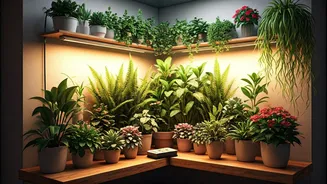
Walking into the world of grow lights can feel overwhelming, with terms like PAR, lumens, and wattage thrown around. But for a simple windowless corner, you don't need to get a degree in botany. Here's what to look for: 1. **Full-Spectrum:** This is the most important feature. Ensure the product is labeled “full-spectrum” for balanced growth and a natural-looking light. 2. **Form Factor:** LED grow lights come in many shapes. For a corner, you might consider a slim panel that can be mounted to the underside of a shelf, a standalone floor lamp with adjustable heads, or even simple grow light bulbs that can be screwed into a standard fixture. 3. **Built-in Timer:** This is a killer feature. Plants thrive on consistency. A light with a built-in timer (e.g., 8 hours on, 16 hours off) automates the process and ensures your plants get a regular day/night cycle without you having to remember to turn it on and off. If the light you love doesn't have one, a simple smart plug or outlet timer works just as well.
Getting the Setup Right
Once you have your light, placement is key. Unlike the sun, which is millions of miles away, your LED panel has a sweet spot. If it's too close, it can scorch the leaves (even without heat); too far, and it’s not effective. As a general rule, position the light 6 to 12 inches away from the foliage. Start at 12 inches and watch your plant for a week. Is it stretching and getting “leggy”? Move the light closer. Are the leaves looking pale or getting brown spots? Move it farther away. For most foliage plants, a cycle of 10-12 hours of light per day is a great starting point. Remember, even light-loving plants need a period of darkness to rest and respire, so don’t be tempted to leave the light on 24/7.
Perfect Plants for the Project
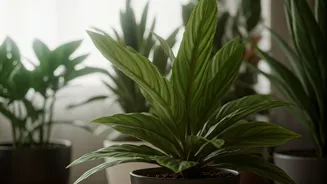
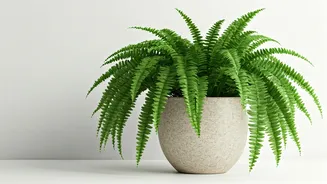
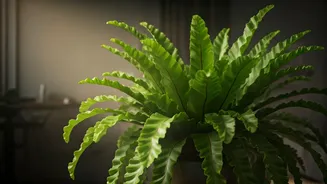
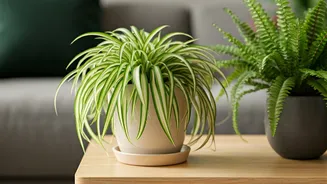
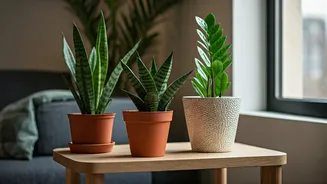
While LED panels can support high-light plants, it's often easiest to start with species that are already adapted to lower-light conditions. The supplemental light from the LED will give them the boost they need to not just survive, but truly thrive. Excellent candidates for your new glowing corner include the virtually indestructible Snake Plant and ZZ Plant, the beautifully trailing Pothos, many varieties of Philodendron, and the elegant Peace Lily. These plants are forgiving and will respond gratefully to the consistent, high-quality light you're now able to provide.