


Beyond the K-Pop Pilgrimage
The Korean Wave, or Hallyu, has been a phenomenal force in global culture, turning Seoul into a must-visit destination for fans of K-pop, K-dramas, and cutting-edge cuisine. The typical itinerary is a whirlwind of frantic energy: navigating the subway
to a BTS landmark, café-hopping in Hongdae, shopping for skincare in Myeongdong, and feasting on Korean barbecue until dawn. It’s an exhilarating, hyper-modern experience. Yet, for a growing number of travelers, this glorious chaos is precisely what they’re hoping to escape. Enter the “Quiet Korea” fantasy. It’s a travel ethos that swaps the relentless pace of the city for the restorative calm of the country’s less-trodden paths. This isn’t an outright rejection of modern Korea but a deeper search for its roots—a form of slow travel that prioritizes presence over productivity, and silence over stimulus. It’s a response to a globally felt need for digital detox and genuine disconnection, and it turns out South Korea’s ancient landscapes and traditions offer the perfect setting.
Finding Stillness in a Temple Stay
Perhaps the purest expression of this trend is the temple stay. Hundreds of Buddhist temples across the country open their doors to visitors for one or two nights, offering a structured glimpse into monastic life. The experience is an exercise in profound simplicity. Guests are given modest uniforms and guided through a routine that has remained unchanged for centuries: pre-dawn chanting with resident monks, formal silent meals (known as *baru gongyang*), walking meditation through pine forests, and conversations over tea.
The appeal is less about religious conversion and more about a forced reset. With no Wi-Fi and a strict schedule, you are disconnected from the demands of your daily life. The initial discomfort of waking at 3 a.m. to the sound of a wooden moktak gives way to a rare sense of clarity. It’s a chance to quiet the mind in a world that never stops talking, making it a powerful draw for those wrestling with anxiety and information overload.
Island Time on the Olle-gil Trails
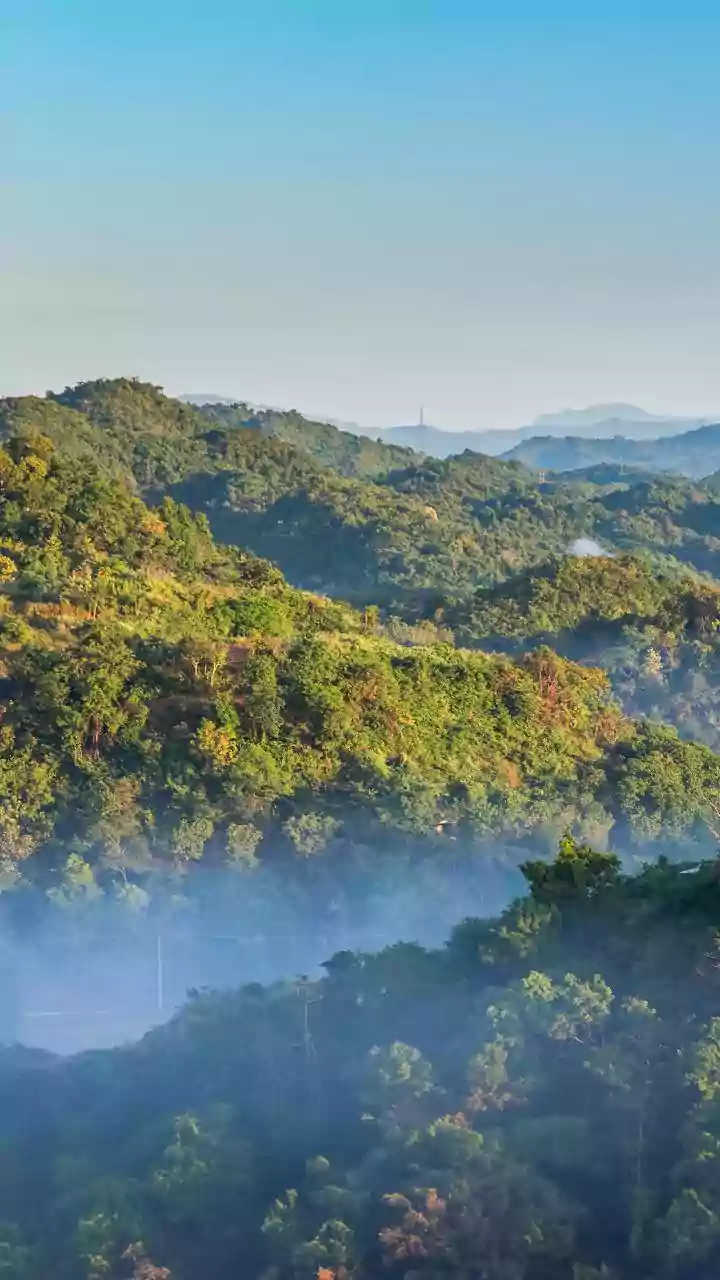
South of the mainland lies Jeju Island, a volcanic paradise often called the “Hawaii of Korea.” While it has its share of tourist resorts, its true soul is found on the Jeju Olle-gil trails. This series of walking paths, stretching over 27 routes and 260 miles, circumnavigates the entire island. Each trail guides walkers through a stunning variety of landscapes: along dramatic coastal cliffs, across black sand beaches, through quiet tangerine groves, and up the sides of dormant volcanic cones called *oreum*.
Walking the Olle-gil is the ultimate slow-travel activity. There’s no destination, only the journey itself. The paths are meticulously marked with blue and orange ribbons, allowing you to lose yourself in the scenery without ever truly being lost. It’s a pilgrimage of a different sort, where the rhythm of your own footsteps becomes the day’s only clock. You might pass an old *haenyeo*, one of Jeju’s famous female free-divers, or stop for coffee at a tiny, family-run café overlooking the sea. It’s an immersive experience that connects you directly to the island's unique culture and staggering natural beauty.
Living History in a Hanok Village
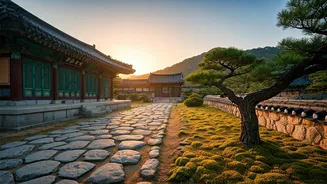
Another facet of the quiet Korea fantasy is trading a hotel room for a *hanok*, a traditional Korean house. In cities like Jeonju and Gyeongju—the latter being the ancient capital of the Silla Dynasty—entire villages of these elegant, tile-roofed homes have been preserved. Staying in a hanok is like stepping into a living museum. You sleep on a yo (mattress) on a heated wooden floor (*ondol*), wake to the sight of a serene inner courtyard, and spend your days exploring historic neighborhoods where time seems to have slowed down.
This isn't a rustic, back-to-basics experience; many hanok stays are beautifully renovated with modern comforts. But the architecture itself encourages a calmer state of mind. The paper-screen doors, natural materials, and seamless flow between indoor and outdoor spaces create a peaceful, contemplative atmosphere. It’s a way to engage with Korea’s history not as a passive observer, but as a temporary resident, absorbing the country’s aesthetic heritage from the inside out.