





So, What Is Functional Training?
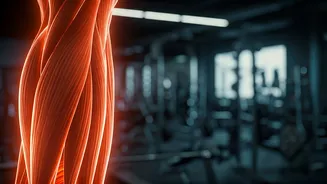
Before we unpack the status part, let’s get clear on the term. Unlike traditional weightlifting that often isolates specific muscles (like a bicep curl), functional training focuses on compound movements that mimic everyday life. Think about it: you don’t
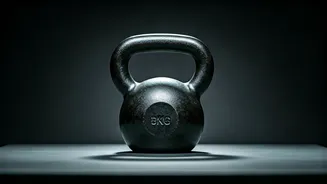
just use your bicep to lift a heavy suitcase into an overhead bin. You use your legs, core, back, and arms in a coordinated sequence. Functional exercises—like squats, deadlifts, kettlebell swings, and farmer’s walks—train your body as an integrated system. The goal isn’t just to build a photogenic muscle group; it’s to make you stronger, more stable, and less prone to injury when you’re carrying groceries, playing with your kids, or helping a friend move a couch.
From Aesthetics to Actual Ability
For decades, the peak fitness aspiration was largely aesthetic. The goal, promoted by magazines and movies, was the “beach body”—a visually impressive but not necessarily practical physique. Bodybuilding culture emphasized size and symmetry, creating a look that screamed “I go to the gym.” Functional training flips this script entirely. It prioritizes performance over presentation. The new flex isn’t having abs that pop under perfect lighting; it’s having the core strength to effortlessly hoist a toddler onto your shoulders. It’s a move from *looking* strong to *being* capable. This shift reflects a deeper cultural change where authenticity and utility are valued over superficial appearances. A body sculpted for functional strength suggests a person who is prepared, resilient, and grounded in reality.
The Quiet Language of Competence
The status of functional training is subtle, much like the concept of “stealth wealth,” where the truly affluent avoid flashy logos. This isn’t about posting a sweaty, grunting video of a new one-rep max on the bench press. Instead, it’s about embodying a quiet competence. It's the person who can spend a whole day on their feet exploring a new city without complaint, or the one who can single-handedly load a week’s worth of camping gear into a car. This physical capability translates into a powerful, non-verbal signal of discipline and self-sufficiency. It says you’re investing in your long-term health and mobility, not just chasing a short-term aesthetic. In a work-from-home era where many feel disconnected from their physical selves, having a body that’s a reliable tool for navigating the world is an undeniable source of confidence and, yes, status.
Why It's Resonating Right Now
The rise of functional fitness isn’t happening in a vacuum. The collective anxieties of the last few years have placed a new premium on resilience and preparedness. The pandemic, in particular, was a stark reminder of our physical vulnerability and the importance of robust health. Functional training taps directly into this mindset. It’s a form of self-investment that promises not just a better-looking body, but a more resilient one—a body ready to handle whatever life throws its way. It's a proactive approach to aging and a hedge against uncertainty. In this context, being functionally fit isn’t just about personal wellness; it’s about securing a sense of agency and control in a chaotic world, making it the most relevant and powerful status flex of our time.