





More Than a Diary
Let’s get one thing straight: an art journal isn’t just a diary with doodles in the margins. It’s a space where you can be a writer, a painter, a scrapbooker, and a collage artist all at once, often on the same page. Think of it as a visual conversation
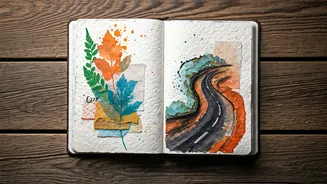
with yourself. Instead of just writing, “Today was stressful,” you might splash the page with angry black ink, glue down a receipt from the coffee you chugged in a panic, and then cover half of it with a calming pastel swatch. It's a place for feelings that don't fit into tidy sentences. The goal isn’t to create a masterpiece for a gallery; it’s to process, play, and experiment without judgment. There are no rules, no grades, and certainly no requirement for you to know how to draw a perfect portrait. It's a permission slip to be imperfect.
The Antidote to the Doomscroll
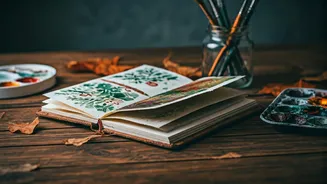
We spend our days staring at screens that are meticulously designed to keep us scrolling, comparing, and consuming. The art journal is a radical act of defiance against that digital pull. It’s tactile. You can feel the bumpy texture of thick paper, smell the faint scent of watercolor paints, and hear the satisfying crinkle of a glued-down photograph. It engages your senses in a way no app ever could. This is mindfulness in action. The simple, repetitive motions of cutting, pasting, painting, or sketching can quiet the anxious chatter in your brain. It pulls you out of your head and into the physical moment, offering a tangible respite from the never-ending feed of information, opinion, and curated perfection online. It’s a designated zone for your attention, where the only algorithm is your own intuition.
Your Life, Beautifully Messy
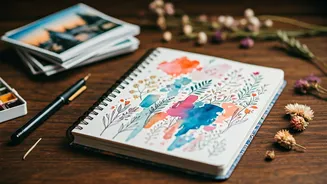
Years from now, will you remember the specific meme that made you laugh on a Tuesday? Probably not. But you will remember the feeling of a perfect autumn afternoon, the ticket stub from a concert that changed your life, or the particular shade of light in your favorite coffee shop. An art journal becomes a personal archive of these moments. It’s a time capsule you build as you go. You can tape in ticket stubs, pressed flowers, fabric swatches, or candid photos. You can jot down snippets of conversations, song lyrics that hit just right, or dreams you had the night before. Looking back through its pages isn’t like scrolling through a camera roll of posed photos; it’s a richer, more evocative journey. It’s your life, not just as it looked, but as it felt—in all its messy, chaotic, and beautiful glory.
There Are No Rules, Only Possibilities
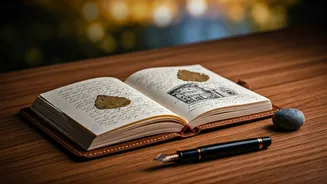
The best part about art journaling is that there’s no wrong way to do it. Are you a minimalist? A simple notebook with a nice pen and some elegant line drawings might be your style. This is often called a bullet journal, or “bujo,” where art meets organization. Do you love vintage ephemera and a cluttered, romantic aesthetic? You might be a junk journaler, using old book pages, lace, and tea-stained paper to create a textured wonderland. Maybe you’re a traveler, filling your pages with sketches of cityscapes and maps from your adventures. Or perhaps you just want to throw paint at a page and see what happens. All of these are valid. You don’t need expensive supplies. A cheap composition book, a glue stick, a pen, and some old magazines are more than enough to start. The only barrier to entry is the one in your own mind.