





The Golden Ticket: No Visa Required
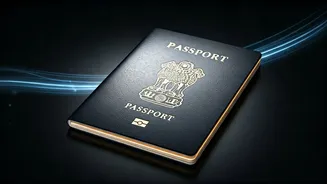
Perhaps the single biggest catalyst for this travel boom is the strategic rolling out of the red carpet. In late 2023, countries like Thailand and Malaysia made a game-changing move: they waived visa requirements for Indian citizens. Sri Lanka and, more
recently, Vietnam followed suit. This isn't just a minor convenience; it's a fundamental shift in the travel calculus. The visa process for many Western countries can be a bureaucratic, expensive, and uncertain ordeal. By removing this barrier, Southeast Asian nations effectively sent a message: 'You are welcome, and we've made it easy for you.' This simple policy change unlocked a wave of spontaneous travel, turning a 'maybe next year' trip into a 'why not next month?' reality for millions.
Affordability Meets Aspiration
For India’s rapidly expanding middle class, Southeast Asia hits the sweet spot between budget-friendliness and aspirational travel. A week-long vacation in Thailand or Vietnam can often cost less than a comparable trip to a premium destination within India itself. But this isn't just about saving money. It's about what that money can buy. Travelers can experience pristine beaches, luxury resorts, vibrant nightlife, and world-class cuisine without the prohibitive price tag of Europe or the United States. It offers the thrill of an international stamp in the passport and the social currency of a foreign holiday, all while remaining financially accessible. This combination allows travelers to feel like they are getting immense value, indulging in experiences that might be out of reach elsewhere.
A Cultural Comfort Zone
Beyond the practicalities of visas and budgets lies a deeper, more subtle appeal: cultural resonance. While distinctly different, Southeast Asian cultures share threads of connection with India that make them feel less foreign and more familiar. The influence of Hindu and Buddhist traditions is visible everywhere, from the majestic temples of Angkor Wat in Cambodia to the Ramayana murals in Thailand's Grand Palace. The food, with its emphasis on spices, rice, and vibrant curries, is often an easy and delightful adaptation for the Indian palate, with plentiful vegetarian options. This cultural familiarity reduces the friction of travel. There’s less of a language barrier (English is widely spoken in tourist hubs) and a general sense of shared Asian identity that makes for a comfortable and welcoming environment, encouraging repeat visits.
The Rise of Short-Haul Escapes
Modern logistics have sealed the deal. The proliferation of low-cost carriers like IndiGo, SpiceJet, and AirAsia has created a dense network of direct, affordable flights from major and even smaller Indian cities to hubs like Bangkok, Singapore, and Kuala Lumpur. A flight that is just four to six hours long makes a long-weekend trip entirely feasible. This proximity transforms Southeast Asia from a once-in-a-lifetime destination into a regular getaway spot. Add to this the power of social media, where feeds are flooded with images of friends at Full Moon Parties in Koh Phangan or posing with lanterns in Hoi An. This digital word-of-mouth creates a powerful feedback loop, normalizing the region as the go-to choice for a quick, exciting, and visually stunning escape from the daily grind.