




1. Water-Rich Fruits and Veggies
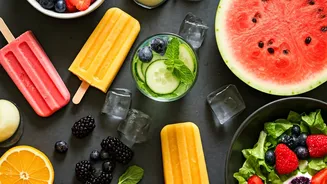
This might seem obvious, but the trend goes beyond simply eating more watermelon. On platforms like TikTok and Instagram, creators are showcasing artful 'hydration salads' packed with cucumber, celery, tomatoes, and bell peppers. The key is their high
water content—often over 90%—which contributes directly to your daily hydration needs without you having to chug another bottle of water. These foods are also rich in electrolytes like potassium, which are crucial for maintaining fluid balance as you sweat. Think of it as edible, nutrient-packed water. The trend elevates these simple ingredients from a side dish to the main event, framing them as a first line of defense against the sluggish, dehydrating effects of extreme heat.
2. Cooling Herbs Like Mint and Cilantro
Herbs are getting a promotion from garnish to functional ingredient. Mint, in particular, is having a moment. Its power lies in menthol, a compound that tricks the brain by binding to cold-sensitive receptors in the body, creating a physiological sensation of coolness. This is why a glass of mint-infused water or a minty yogurt dip (raita) feels so refreshing. Similarly, herbs like cilantro and parsley, popular in hot-climate cuisines from Mexico to the Middle East, are being celebrated for their light, fresh properties. Online, you'll find them blended into green juices, 'cooling pestos,' and sprinkled liberally over summer dishes as a way to add flavor and a perceived cooling effect.
3. The Surprising Role of Spicy Foods
It sounds counterintuitive, but the reason spicy food is a staple in many of the world's hottest regions is based on solid science. Capsaicin, the compound that gives chili peppers their kick, triggers a thermogenic response. It makes you sweat more efficiently. As the sweat evaporates from your skin, it creates a powerful cooling effect—nature's air conditioner. This explains the 'spicy food challenge' trend and the proliferation of recipes for spicy mango salads and fiery noodle bowls as summer fare. While it might feel hot for a moment, the net effect is a cooldown. It’s a biological hack that’s finally catching on with mainstream American audiences looking for any edge against the heat.
4. Yogurt and Fermented Dairy
From Indian lassi to Turkish ayran, cultures in hot climates have long relied on yogurt-based drinks to stay cool. The trend is now appearing in a modern wellness context. Probiotic-rich yogurt is easy to digest, which means your body doesn't have to work as hard (and generate as much internal heat) as it would to break down a heavy, high-fat meal. Its high water content also aids in hydration. Social media feeds are full of recipes for savory yogurt bowls, frozen yogurt bark, and smoothie recipes that use kefir or yogurt as a cooling, gut-friendly base for a light summer meal that won't weigh you down.
5. Hydrating Grains and Seeds
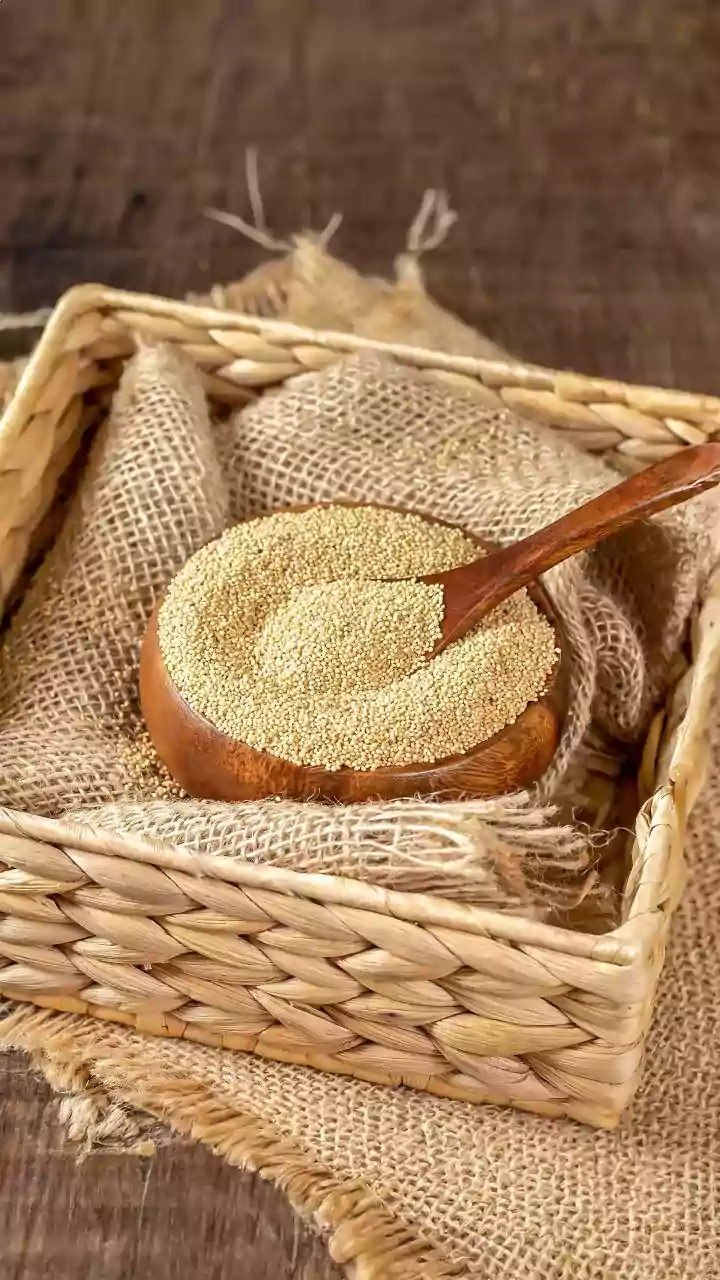
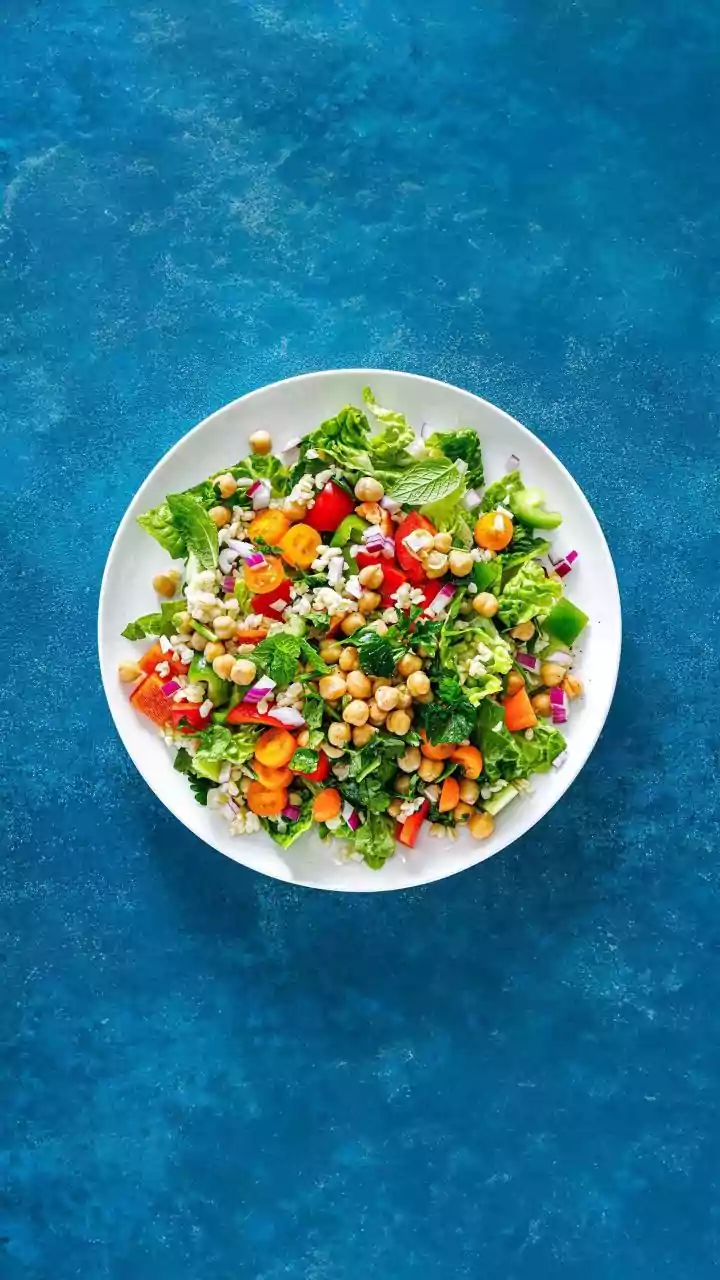
Not all carbs are created equal in the heat. While a heavy pasta dish can feel like a gut bomb on a 95-degree day, certain grains and seeds are being spotlighted for their hydrating properties. Chia seeds are a prime example; they can absorb up to 10 times their weight in liquid, making chia pudding a popular make-ahead breakfast that helps you start the day hydrated. Similarly, grains like barley are often used in cooling soups or salads in various food traditions. Unlike refined grains, these options are often lighter and require less metabolic energy to digest. They provide sustained energy without the post-meal heat spike, making them a smart swap for summer.