

First, What Exactly Is Chaat?
Before we get to the drama, let’s define our star. In India, ‘chaat’ refers to a sprawling category of savory snacks, typically sold by street vendors. But chaat is more than just a dish; it’s a flavor philosophy. Think of it as a meticulously constructed
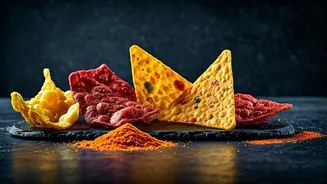
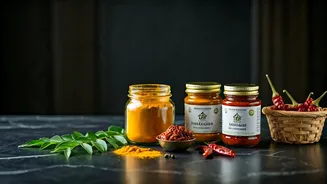
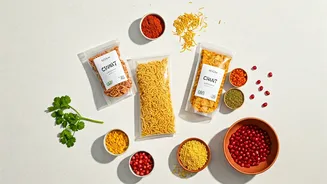
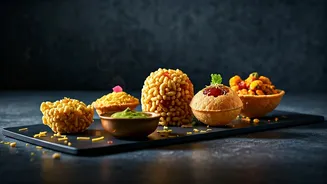
collision of tastes and textures. At its heart, the chaat experience is a balancing act of sweet (often from tamarind or date chutney), tangy (from unripe mango powder or lime), salty (from black salt, or kala namak), and spicy (from chili). On top of this flavor foundation, you get crunch from fried dough wafers (papdi) or crispy chickpea noodles (sev), softness from potatoes or chickpeas, and a cooling element from yogurt (dahi). It’s not a single note; it’s a full-blown orchestra. The key takeaway isn't a specific recipe, but this principle of layering contrasting elements into one harmonious, explosive bite.
The Sensory 'Drama' We Crave
This is where the “drama” comes in. Most mainstream American snacks are built for consistency and comfort. A cheddar chip tastes like cheddar from start to finish. A sour cream and onion pretzel delivers exactly that. They are reliable, but they’re also one-dimensional. Chaat, by its very nature, is a narrative. The first sensation might be the bright, tangy hit of tamarind, which then gives way to the earthy warmth of cumin and the slow-building heat of chili, all rounded out by a cooling, creamy finish. Your palate doesn't just register a flavor; it goes on a journey. This complexity is what makes it so compelling and, frankly, addictive. Each bite can be slightly different. This dynamic, unpredictable experience is the antidote to snack-aisle fatigue. It engages the brain, keeping you coming back to decipher its delicious puzzle.
From Street Carts to Shopping Carts
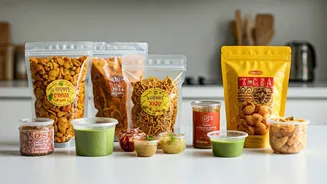
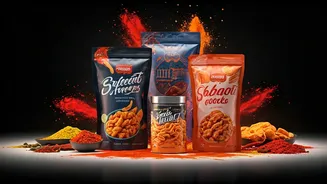
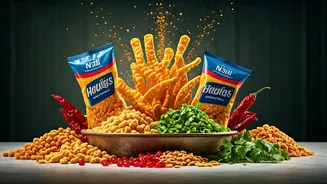
This isn't just a theoretical exercise. The vanguards of this flavor wave are already on shelves, testing the waters. While you might not see a bag of chips explicitly labeled “Bhel Puri Flavor” at every gas station just yet, the influence is undeniable. Trader Joe's has found success with items like its Spicy Chakri Mix, which leans on chickpea flour and classic Indian spices. Lay's “Magic Masala” flavor, a blockbuster in India, has become a cult-favorite import in the U.S., demonstrating a clear appetite for its savory, tangy, and mildly spicy profile. Smaller, mission-driven brands are also popping up, creating snacks like puffed water lily seeds or chickpea puffs dusted with chaat-inspired seasonings. These products are proving that American consumers are ready to move beyond the simple salt-and-vinegar binary and embrace something far more intricate.
Why Now? An Appetite for Adventure
The rise of chaat flavors is perfectly timed. For decades, the American palate has been on a slow but steady journey of diversification. First came the mainstreaming of salsa, then the sriracha craze that put a spicy red rooster on every table. We’ve been training for this moment. Consumers, especially younger millennials and Gen Z, increasingly seek out authentic, globally inspired flavors. Food media and travel shows have demystified regional cuisines, turning what was once “foreign” into something aspirational and exciting. In a world where you can get Nashville hot everything, the next frontier isn't just more heat; it's more complexity. Chaat provides that in spades, offering a sophisticated, layered experience that still satisfies the primal craving for a crunchy, savory snack.