
The Real Luxury: Solitude
Imagine standing before Angkor Wat in Cambodia not shoulder-to-shoulder with hundreds of other tourists, but in relative, misty silence. Picture yourself navigating the backwaters of Kerala, India, with only the sound of rain on the roof of your houseboat.
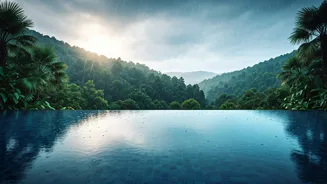
This is the primary luxury of monsoon travel. The absence of crowds transforms world-famous sites from chaotic photo-ops into deeply personal, contemplative experiences. You’re not just seeing a place; you’re feeling it. You have the space to breathe and the time to look without being jostled. Hotel infinity pools are suddenly your private pools. The best table at the best restaurant? It’s waiting for you. This kind of exclusivity is something money can’t always buy in high season, yet it’s a natural byproduct of traveling when others stay home.
A World Washed Clean
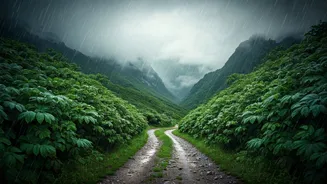
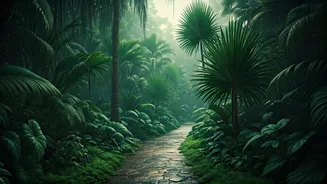
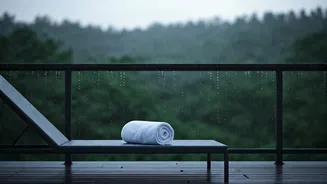
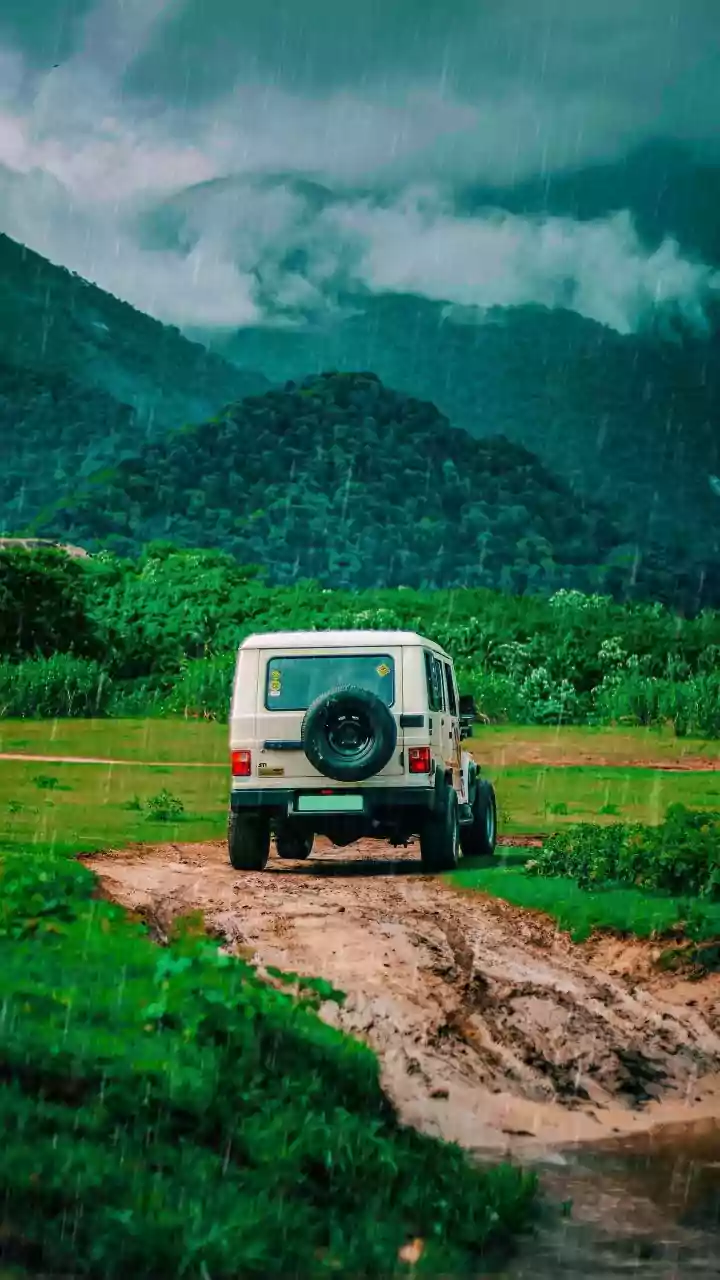
The term “rainy season” does a disservice to the beauty of the monsoon. It’s not typically a nonstop, week-long downpour. More often, it’s a pattern of intense, dramatic afternoon showers followed by clear, sun-drenched skies. And that rain has a transformative effect. The dust of the dry season is washed away, leaving behind a world that seems to have its saturation turned up to eleven. Landscapes in places like Thailand and Vietnam become impossibly lush and green. The air smells earthy and fresh. The sound of a tropical rainstorm while you’re curled up with a book in a beautiful hotel is one of travel’s most underrated pleasures. Instead of a bug to be endured, the weather becomes a central, atmospheric part of the experience itself—cozy, dramatic, and romantic.
Off-Season Prices, Peak-Season Service
The practical benefits are just as compelling. With demand low, airlines and hotels slash their prices. That five-star resort that felt unattainable during peak season might suddenly be within reach. You’re not just saving money; you’re getting better value. Beyond the sticker price, the service you receive is often far superior. Hotel staff, tour guides, and restaurant workers are less stressed and have more time to dedicate to you. They’re often more relaxed, friendlier, and eager to share genuine insights about their home. This dynamic can lead to more authentic connections and the kind of spontaneous, memorable interactions that are often lost in the high-season crush.
Where to Embrace the Rain
Not all monsoon destinations are created equal, as some regions can experience dangerous flooding. But several spots are famously beautiful during their rainy season. Kerala, known as “God’s Own Country” in India, is a prime example; its Ayurvedic treatments are even said to be more effective during the humid monsoon months. In Southeast Asia, destinations like Chiang Mai in northern Thailand or Luang Prabang in Laos come alive with verdant foliage and stunning waterfalls, and the brief showers offer a welcome respite from the heat. Even Cambodia’s Siem Reap is a fantastic option, as the moats around the temples fill with water, creating spectacular reflections, and the thinner crowds make exploring the ancient ruins a far more magical experience.
Pack Smart, and Change Your Mindset
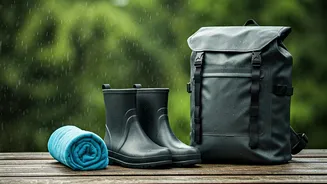
Success in the shoulder season comes down to preparation and perspective. Pack lightweight, quick-drying clothes—synthetics are better than cotton. Bring a reliable waterproof jacket and a dry bag for electronics, but don’t bother with a flimsy travel umbrella. Good, slip-resistant shoes are a must. Most importantly, adjust your mindset. Don’t try to cram 12 hours of sightseeing into a single day. Embrace a slower pace. Use the rainy afternoons to get a massage, take a cooking class, or simply sit on a covered balcony and watch the world go by. The goal isn’t to “beat” the rain; it’s to lean into the rhythm it creates.