


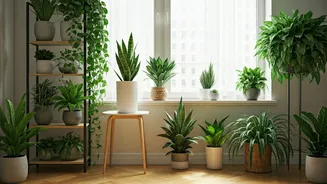
1. Start with Pet-Safe Plants
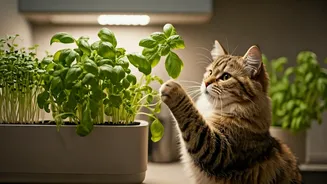
Before you buy a single seed, your first step is safety. Many common houseplants and even some vegetables are toxic to cats and dogs. A nibbled leaf could lead to a stressful, expensive vet visit, defeating the entire purpose of a relaxing hobby. The
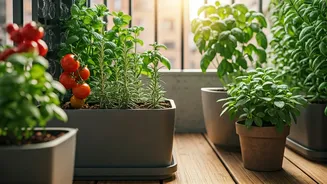
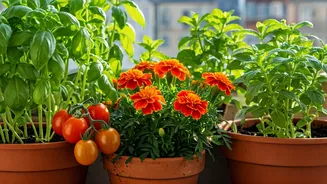
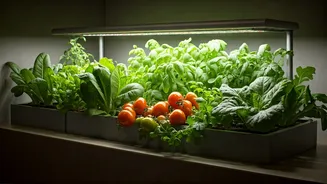
ASPCA maintains an extensive, searchable database of toxic and non-toxic plants. Stick to vetted winners like basil, rosemary, parsley, cilantro, and catnip (a guaranteed hit). For vegetables, leafy greens like lettuce and spinach are generally safe, as are the fruits from pepper and tomato plants (though the leaves and stems are toxic). Always double-check any plant before bringing it into your home.
2. Choose a Low-Maintenance System
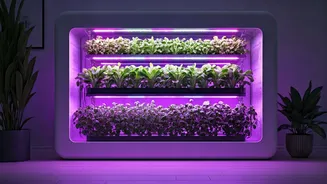
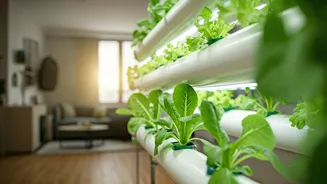
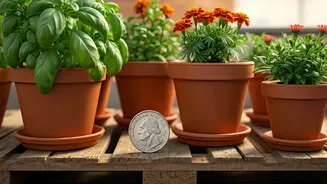
Busy professionals don't have time for complex soil testing and daily watering rituals. Your system is your most important time-saving tool. Consider one of these two paths: * **Smart Hydroponic Gardens:** Countertop units like AeroGarden or Click & Grow are the ultimate set-it-and-forget-it solution. They automate lighting and watering, and since there's no soil, there's no mess for a cat to dig in or a dog to knock over. They are an investment, but the convenience is unmatched for time-poor growers. * **Self-Watering Planters:** If you prefer traditional soil, self-watering containers are a game-changer. They use a reservoir system to provide consistent moisture to the plant's roots, meaning you only need to top up the water every week or two. This prevents both over- and under-watering, the two most common killers of indoor plants.
3. Create a Pet-Proof Zone
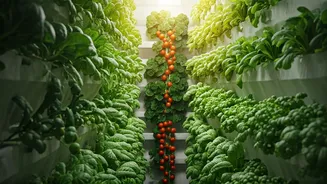
Even with non-toxic plants, you don’t want your cat using your basil planter as a litter box or your dog 'pruning' your peppers. Physical separation is key. Vertical space is your best friend. Use hanging planters, wall-mounted shelves, or tall plant stands that keep your garden out of easy reach. A small, enclosed grow tent can also work wonders, creating a perfect micro-environment for your plants while keeping them completely inaccessible to pets. For floor-level planters, you can place decorative, pet-safe barriers like smooth river rocks or pinecones on top of the soil to deter digging.
4. Batch Your Gardening Tasks
The secret to fitting any hobby into a busy schedule is to batch your tasks. Instead of fussing with your plants daily, create a simple 10-minute workflow you can execute twice a week. For example, make 'Wednesday Morning Harvest' and 'Sunday Evening Check-in' part of your routine. During this time, you can do everything at once: harvest what's ready, prune any yellowing leaves, check for pests, and refill water reservoirs. This focused approach is far more efficient than random, scattered care and prevents your garden from feeling like another nagging item on your to-do list.
5. Automate Lighting and Feeding
Inconsistent light is a major hurdle for urban farming. Your apartment window might not provide the 6-8 hours of direct sun most herbs and vegetables need. A simple, full-spectrum LED grow light plugged into a basic wall outlet timer solves this problem completely. Set it to turn on and off automatically, mimicking a natural daylight cycle without you ever having to think about it. If you're using a hydroponic system, it likely came with a timer. For feeding, use a slow-release fertilizer for soil plants or the pre-measured nutrients that come with smart gardens to make the process foolproof.
6. Start Small to Build Confidence
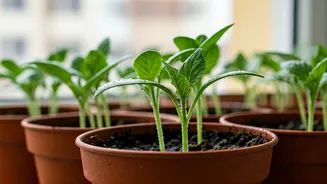
Your ambition might be a full indoor farmer's market, but the key to long-term success is starting small. Don't try to grow ten different types of plants at once. Pick two or three of your favorite, easy-to-grow herbs. Basil is prolific, mint is nearly indestructible (keep it in its own pot!), and rosemary is hardy. Once you've successfully kept them thriving for a few months and integrated your workflow, you can expand. A small, successful garden is far more rewarding than a large, failing one. This builds the habit and gives you a tangible win, encouraging you to continue.