





More Than Just a Digital Detox
When you picture a Gen Z traveler, you probably imagine a phone permanently attached to their hand, documenting every moment for TikTok or Instagram. While that’s not entirely wrong, a counter-trend is rapidly gaining traction. For a growing number of
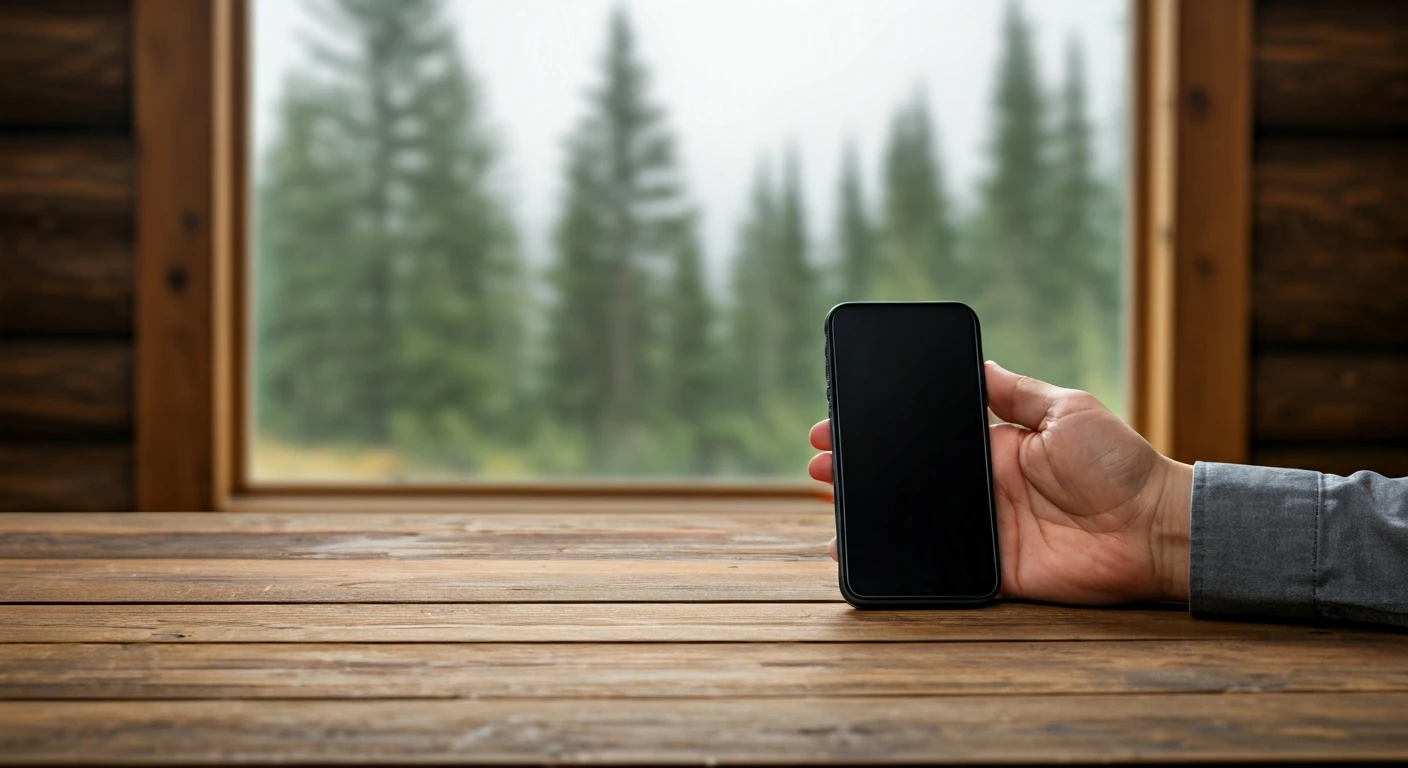
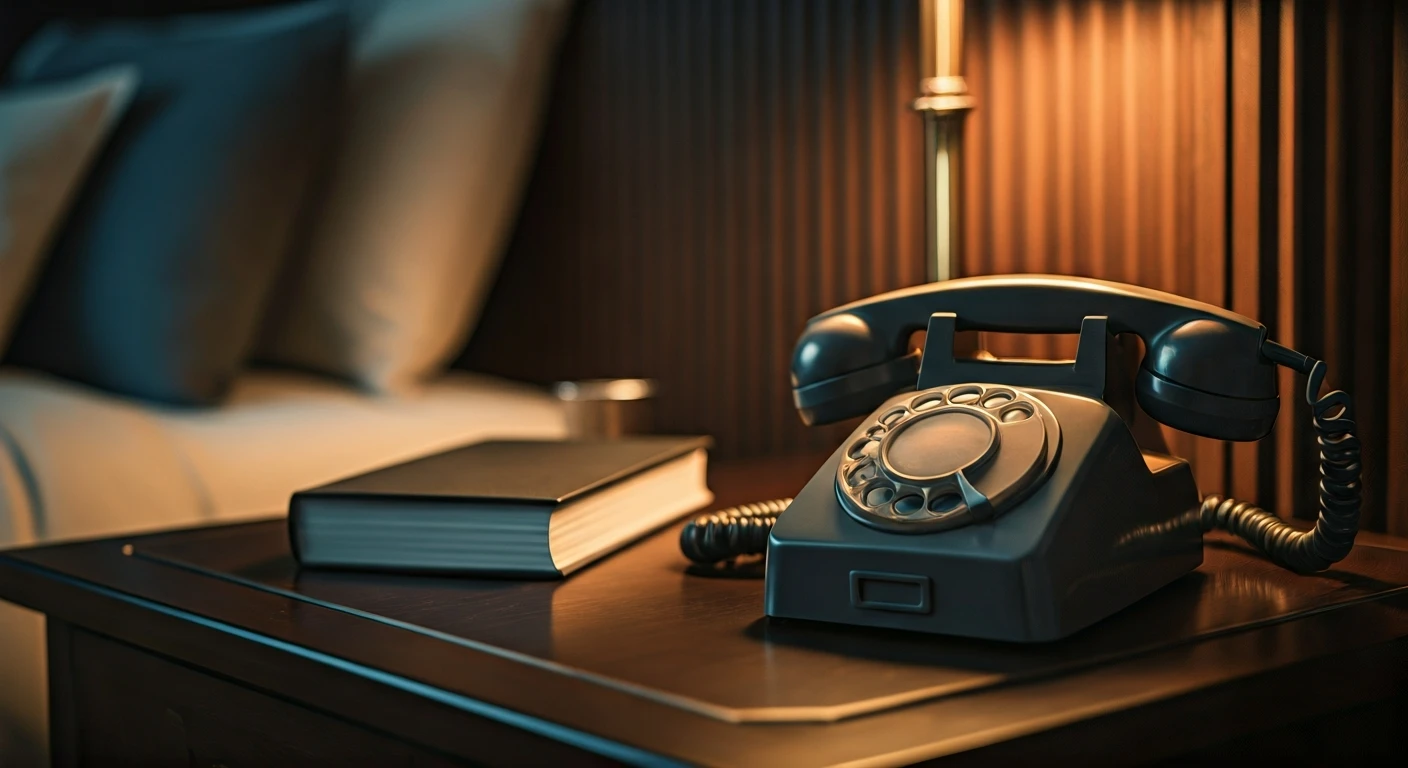
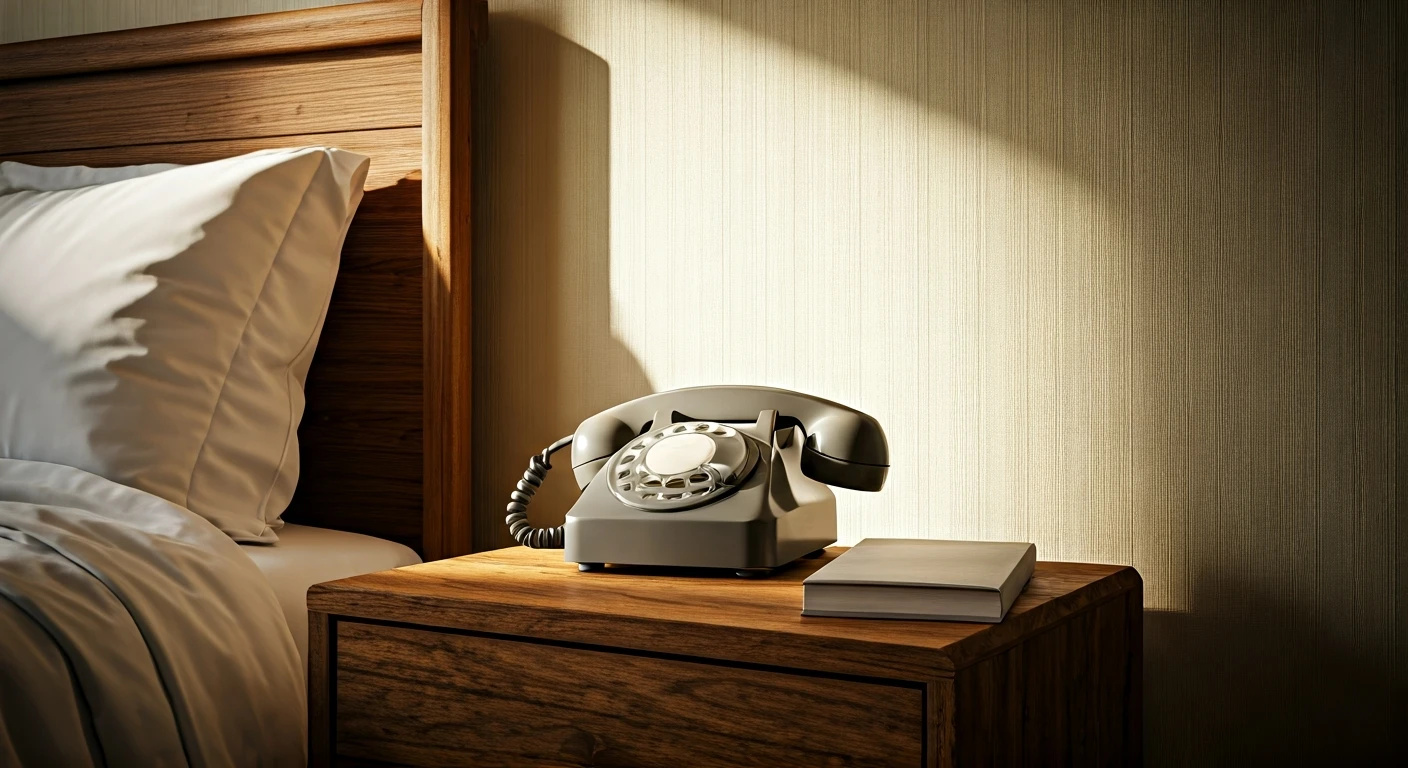
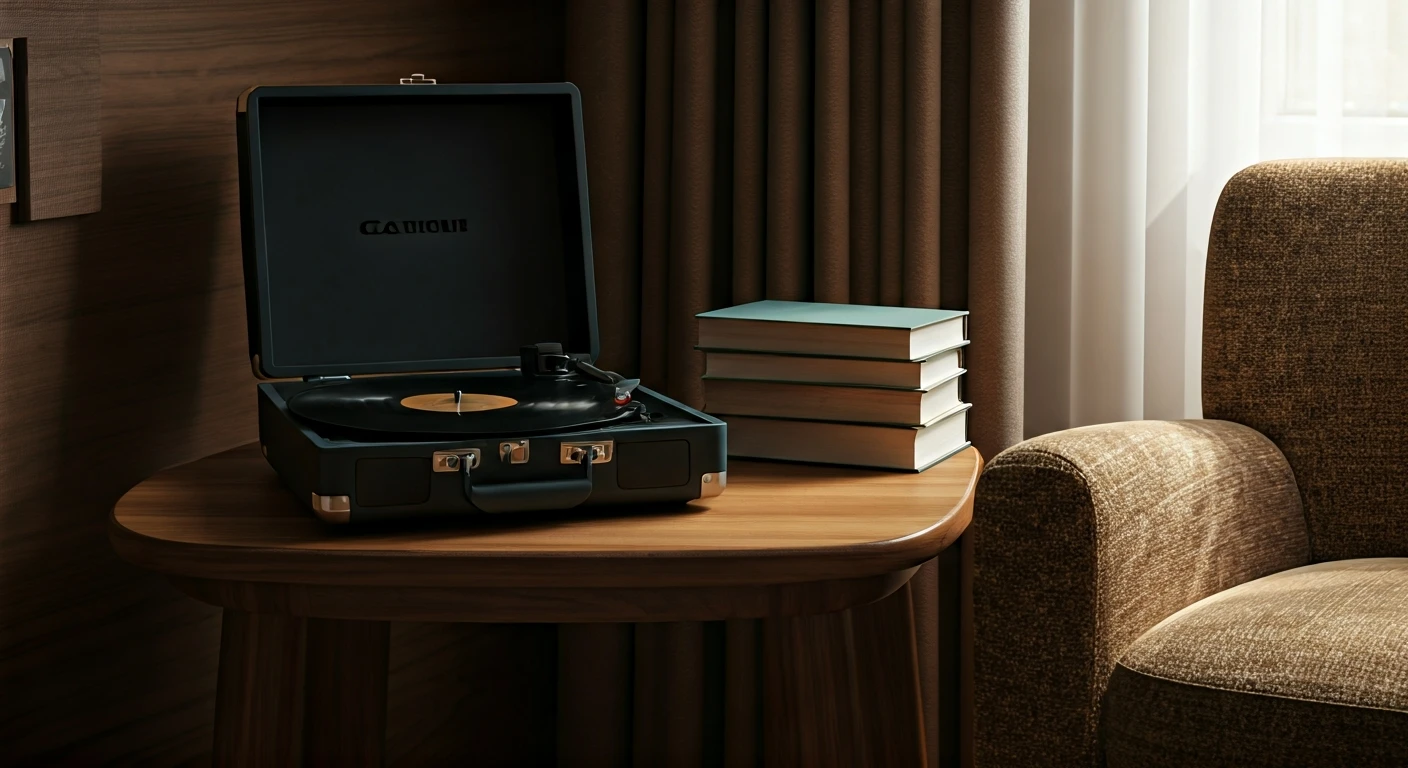
young adults, the height of luxury isn't about seamless Wi-Fi; it’s about intentionally disconnecting from it. This goes beyond a simple “digital detox.” We’re talking about a full embrace of analogue aesthetics and experiences. Hotels are taking note, swapping out bland flatscreens for curated bookshelves and replacing USB ports with in-room record players. The new dream getaway involves the satisfying click of a Polaroid camera, the tactile pleasure of a real book, and conversations that aren’t interrupted by notifications. It’s a curated vibe, a deliberate choice to trade the endless scroll for intentional slowness.
The Psychology of the Unplugged Flex
So, why is this happening? In a world where everyone is expected to be constantly available, being unreachable is the ultimate status symbol. For a generation raised on the attention economy, the ability to put your phone away—and not feel a phantom buzz—is a genuine superpower. It signals that your life isn’t dependent on likes, comments, and the validation of a digital audience. This is the “flex.” It’s not about bragging with a perfectly filtered photo of a sunset; it’s about the subtle, more profound brag of not needing to post the sunset at all. You were just there, living in it. In an era of digital burnout and overwhelming connectivity, scarcity is the new luxury. And what's more scarce than a truly present, uninterrupted moment? This trend suggests that for Gen Z, wealth isn't just financial capital, but also attentional capital—the ability to control where and how you spend your focus.
How Hotels Are Responding
The hospitality industry, ever responsive to consumer desire, is leaning into the analogue trend hard. Boutique hotels and even some larger chains are redesigning spaces to encourage old-school human connection. Lobbies are being transformed into cozy lounges with board games, fireplaces, and “phone-free” zones. Instead of promoting their high-speed internet, properties are advertising their lack of cell service as a feature, not a bug. Brands like Getaway have built an entire business model on cabins in the woods with “phone lockboxes” to encourage guests to disconnect. Other hotels are offering analogue-themed packages that include typewriter rentals, darkroom access for developing film, or guided nature walks where phones are discouraged. They are selling not just a room, but an escape—not just from your home, but from your digital self.
Nostalgia for a Time They Never Knew
There's also a powerful element of nostalgia at play, but it’s a borrowed one. Gen Z is romanticizing the '90s and early 2000s, an era they have no direct memory of as adults but which they perceive as simpler and more “real.” The grainy texture of a film photo, the warm crackle of a vinyl record, the permanence of a handwritten postcard—these things feel more authentic and substantial than a fleeting Instagram Story. In a digital world where content is disposable and easily manipulated, analogue media carries a weight and a charm. By engaging with these technologies, Gen Z travelers aren't just having a vacation; they're curating an experience that feels tangible and artistically deliberate, a direct contrast to the polished, often hollow, perfection of a social media feed.