

Why Everyone Is Ditching Dirt
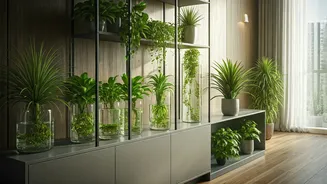
The allure of a soilless setup goes far beyond its clean, minimalist aesthetic. For starters, it almost completely eliminates the number one annoyance for houseplant owners: pests. Fungus gnats, which live and breed in damp soil, have nowhere to go. The same
goes for many other soil-borne critters. This means healthier plants and a happier home. There's also the watering issue. Over- and under-watering are the most common ways people kill their plants. Soilless methods, especially semi-hydroponics, create a more forgiving environment. The plant's roots can draw water as needed from a reservoir, taking the guesswork out of your weekly routine. Finally, it’s just cleaner. No more spilled soil during repotting, no dusty bags of potting mix in the closet, and no grime under your fingernails. It’s the perfect solution for apartment dwellers and anyone who wants the beauty of plants without the mess.
Method 1: Just Add Water
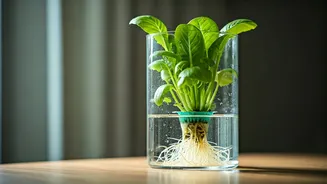
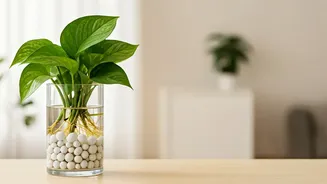
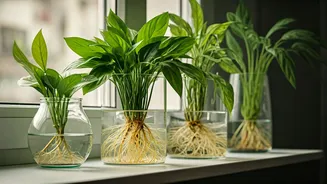
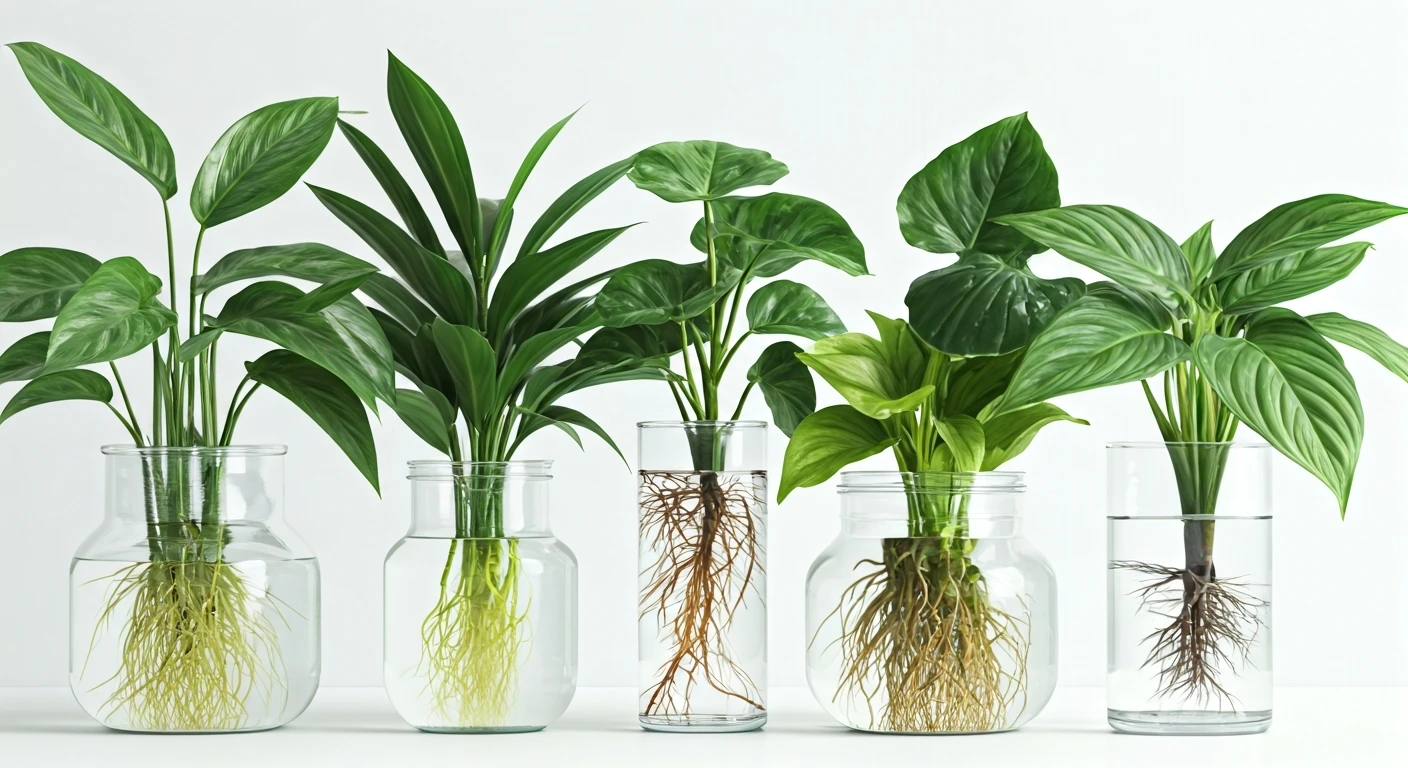
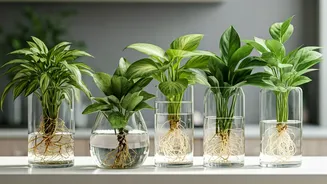
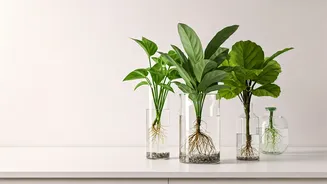
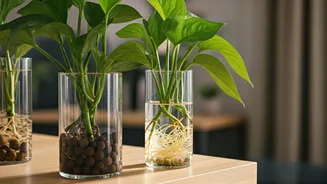
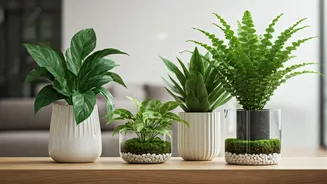
The simplest entry point into the world of soilless gardening is something you may have already done by accident: growing a plant in water. Known as water propagation, this method is perfect for vining plants and many common houseplants. All you need is a clear glass jar, vase, or bottle, some fresh water, and a healthy cutting. Take a cutting from a 'mother plant' like a Pothos, Philodendron, Monstera, or Spider Plant, ensuring it has at least one node (the little bump on the stem where leaves and roots grow). Plop it in the container with the node submerged, and place it in bright, indirect light. Change the water weekly to keep it fresh and oxygenated. Within a few weeks, you'll see delicate white roots emerge, creating a living piece of decor. You can keep plants in water indefinitely, turning any shelf into a miniature hydroponic station.
Method 2: The LECA Revolution
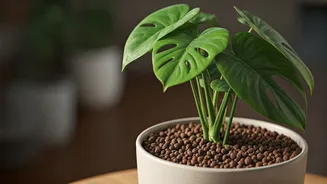
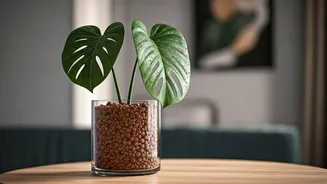
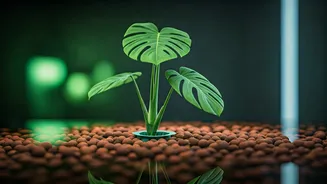
Scroll through plant-centric social media and you’ll see them: beautiful glass containers filled with uniform, reddish-brown clay balls. This is LECA, which stands for Lightweight Expanded Clay Aggregate. It’s the star of semi-hydroponics, the method truly driving the soilless trend. LECA pebbles are porous and absorb water, wicking moisture up to the plant's roots as needed. To start, you rinse the LECA thoroughly and transfer a plant from soil (gently cleaning all the dirt from its roots). Place the plant in a pot with drainage holes, fill with LECA, and then set that pot inside a larger, water-tight container (a cache pot) that acts as a reservoir. You fill the reservoir with a nutrient-water solution, and the LECA does the rest. It provides excellent aeration for the roots, preventing rot while ensuring a constant, stable supply of moisture.
Don't Forget to Feed Them
Here's the one catch to going soilless: you become the source of your plant’s food. Soil contains organic matter and micronutrients that plants need to thrive. Water and LECA contain none. Therefore, you must add a specially formulated hydroponic nutrient solution to the water. Don't just use standard houseplant fertilizer, as it’s designed to supplement soil, not replace it entirely. Hydroponic nutrients are complete formulas containing all the macro- and micronutrients your plants require. It might sound complicated, but it’s as simple as adding a few drops or a capful to your water according to the package directions. This step is non-negotiable for the long-term health and vibrant growth of your soilless plants.
Best Plants for Beginners
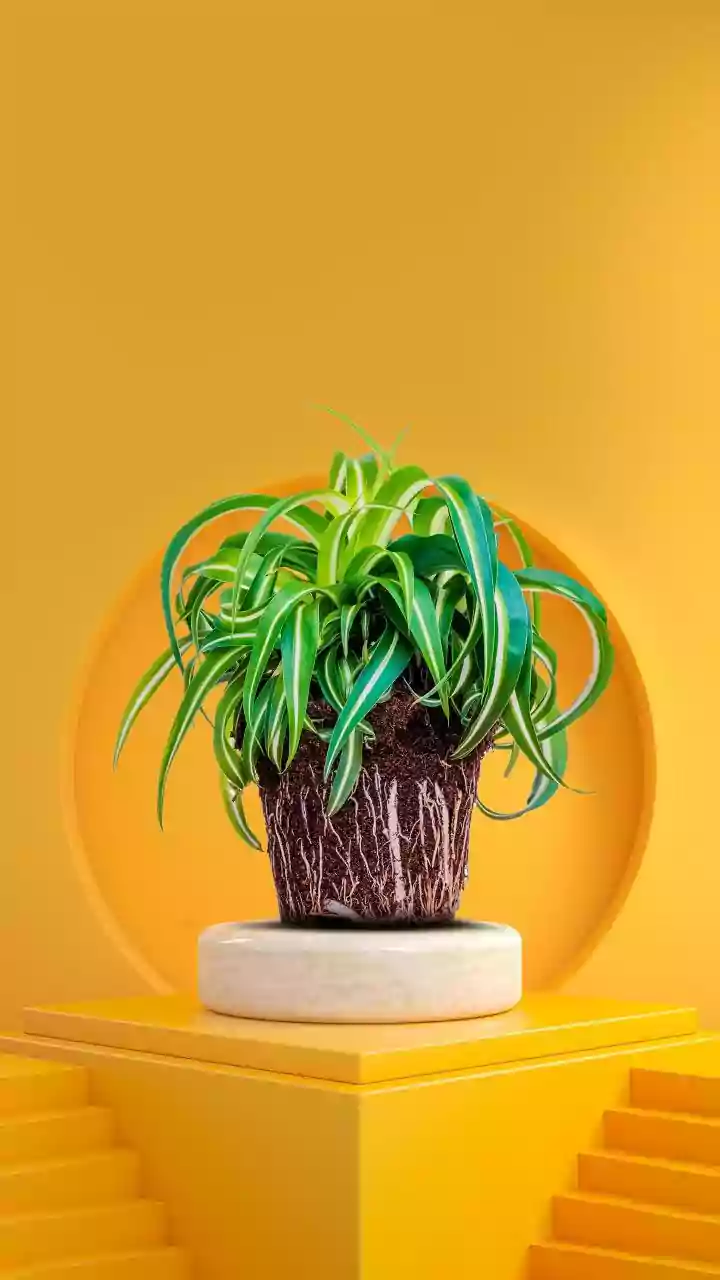
While many plants can be converted to a soilless system, some are more forgiving than others. If you're just starting, stick with the easy-going crowd-pleasers. Pothos and Philodendrons are practically indestructible and adapt beautifully to both water and LECA. Snake Plants (Sansevieria) and ZZ Plants (Zamioculcas zamiifolia) are also fantastic candidates, as they are prone to root rot in soil but thrive in the well-aerated environment of LECA. Spider Plants and many types of Monsteras also transition well. Starting with a resilient plant gives you a higher chance of success and builds the confidence you'll need to eventually transition your entire urban jungle.