



The Myth of the Perfect Vacation
Scroll through any travel influencer’s feed, and you’ll see a familiar template: brilliant blue skies, sun-drenched beaches, and landmarks conspicuously free of other people. This idealized version of travel has taught us that the only “good” time to
visit a destination is during its dry, sunny peak season. The result? We all flock to the same places at the same time. We stand in sweltering, shoulder-to-shoulder lines at the Colosseum in July, jostle for a patch of sand on a Thai island in December, and pay exorbitant prices for the privilege. The pressure to have a perfect, sun-filled trip can become a source of stress in itself. A single cloudy day feels like a failure. A crowded attraction feels like a disappointment. This relentless pursuit of a narrow, weather-dependent ideal is leaving many travelers feeling burned out by the very thing that’s supposed to be restorative.
The Allure of the Green Season
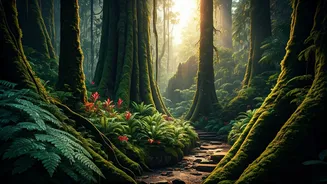
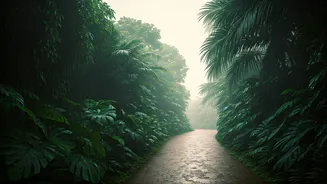
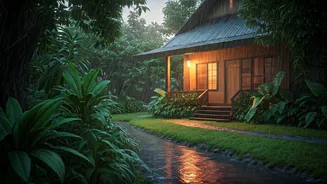
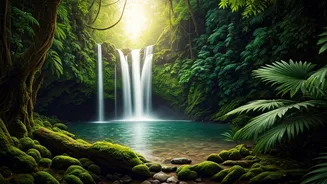
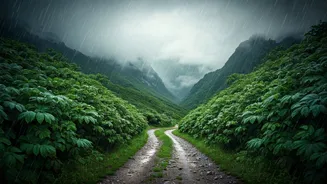
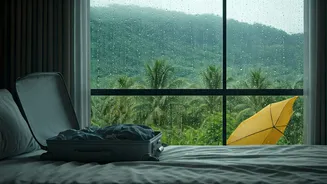
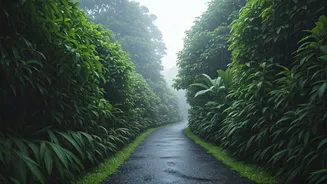
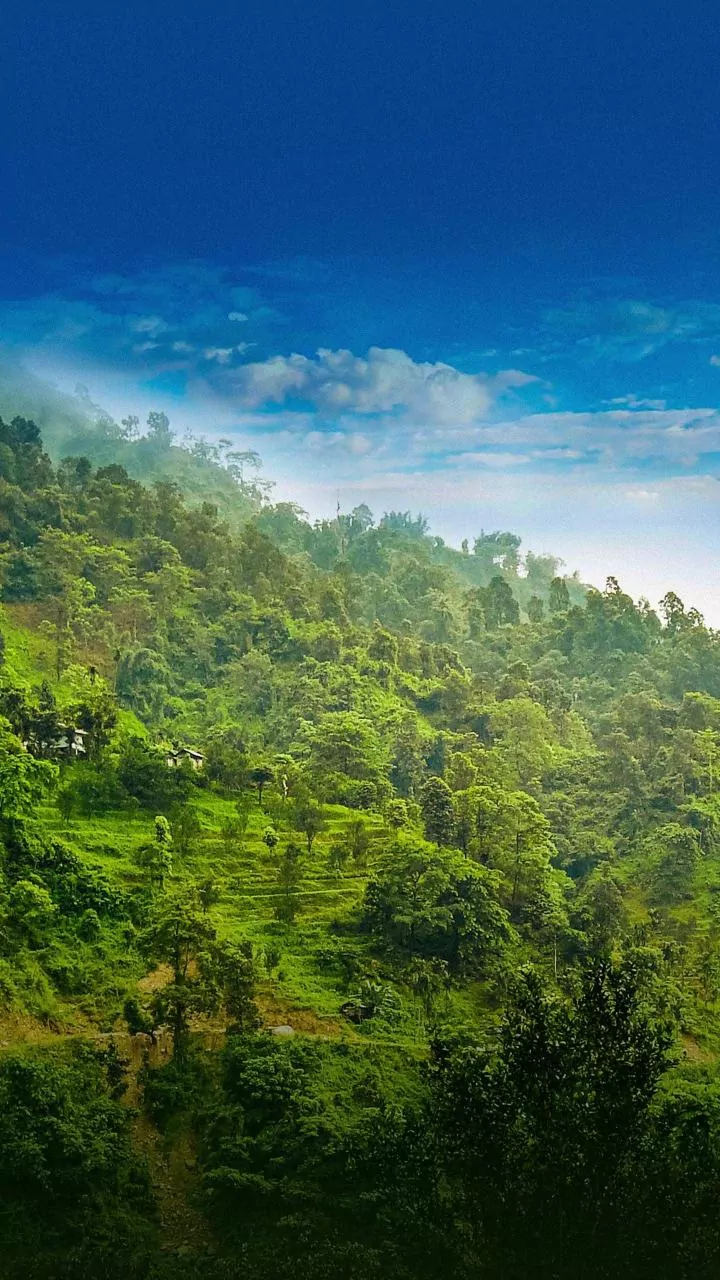
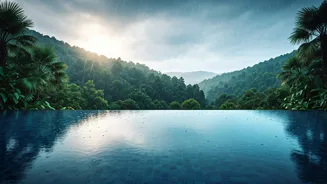
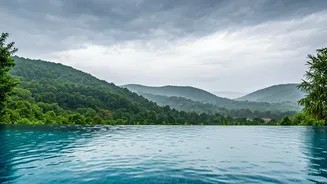
Now, imagine a different kind of trip. Instead of oppressive heat, picture a world washed clean, where the dust has settled and the landscape is bursting with an almost impossibly vibrant green. This is the magic of traveling during the monsoon, or “green season,” in destinations across Southeast Asia, India, and Central America. The daily downpours, which are often predictable and short-lived, transform the environment. Waterfalls that were mere trickles in the dry season become thundering cascades. Rice paddies glow with an emerald intensity. The air, cleared by the rain, feels fresh and clean, and the dramatic, moody skies create a photographer's dream. There’s an undeniable romance to holing up in a cozy café or a bungalow with a good book, listening to the rhythmic drumming of rain on the roof, knowing you have nowhere else you need to be.
Practical Perks and Deeper Connections
The benefits of off-season travel go far beyond aesthetics. With fewer tourists, the entire travel experience becomes more relaxed. You’re not fighting for a table at the best local restaurant or waking up at dawn just to get an unobstructed photo of a temple. Instead, you have the space to breathe and actually experience a place. This scarcity of tourists often leads to more genuine interactions. Shopkeepers, guides, and restaurant owners have more time to chat, share stories, and offer recommendations. The dynamic shifts from a transactional tourist encounter to a more personal connection. And, of course, there’s the financial upside. Flights and accommodations can be dramatically cheaper—sometimes 30-50% less than their peak-season rates. Your travel budget suddenly stretches further, allowing for a longer stay, a nicer hotel, or more unique experiences.
How to Embrace the Rain
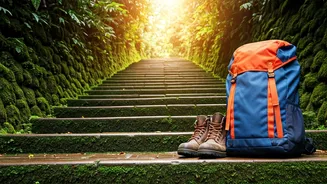
A successful monsoon trip is all about adjusting your mindset and your packing list. This isn’t the kind of vacation where you schedule every minute from dawn to dusk. It’s about embracing a slower, more flexible rhythm. Plan your outdoor activities for the morning, as rains often roll in during the afternoon. Use those rainy hours for a cooking class, a spa treatment, or simply relaxing. A flexible itinerary is your best friend; be prepared for the occasional ferry cancellation or muddy road. Pack accordingly: bring a lightweight waterproof jacket, quick-dry clothing, and sturdy, water-resistant footwear. Don't forget insect repellent, as mosquitoes can be more prevalent. Most importantly, let go of the need for control. Some of the best travel memories are made when plans go awry and you’re forced to discover something unexpected, like a tiny, welcoming teahouse during a sudden downpour.