








What Exactly Is This Miracle Cleaner?
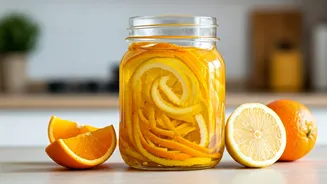
At its core, this cleaner is a simple infusion. It’s made by steeping leftover citrus peels—from oranges, lemons, limes, or grapefruits—in plain white vinegar for a few weeks. The process extracts the natural cleaning oils from the peels, merging them
with the acidic power of vinegar. The result is a fragrant, potent liquid that can replace many of your go-to commercial sprays for everyday messes. Think of it as upcycling your kitchen scraps into a powerful cleaning ally. It’s not a new-fangled invention but a time-tested method that modern households are rediscovering for its simplicity and sustainability.
The Simple Science: Why It Actually Works
The effectiveness of this cleaner isn't magic; it's basic chemistry. Citrus peels are packed with a compound called d-limonene, a natural solvent that is excellent at cutting through grease, grime, and sticky residues. It’s the same ingredient that gives citrus its signature sharp, fresh scent and is often used in commercial degreasers for its power. When you combine this with white vinegar, which contains acetic acid, you get a double-action cleaner. The acetic acid works to dissolve mineral deposits (like hard water stains) and soap scum, while the d-limonene tackles the grease. Together, they create a formidable, non-toxic team for general surface cleaning. It’s important to note, however, that while vinegar has some antimicrobial properties, this solution is a cleaner and degreaser, not an EPA-registered disinfectant for killing germs like salmonella or E. coli.
Your Step-by-Step Recipe
Ready to make your own? It’s almost foolproof. All you need are a few basic items.
**Ingredients & Supplies:**
* A large glass jar with a tight-fitting, non-metal lid (vinegar can corrode metal)
* Enough citrus peels to fill the jar about halfway to three-quarters full
* Distilled white vinegar (5% acidity) to fill the jar
**Instructions:**
1. **Collect Your Peels:** As you eat oranges, lemons, or other citrus fruits, save the peels. You can keep them in a container in the fridge for up to a week or in the freezer for longer.
2. **Pack the Jar:** Stuff your collected peels into the glass jar. Don’t pack them too tightly, but aim for a fairly full jar.
3. **Add the Vinegar:** Pour the white vinegar over the peels until they are completely submerged. This is crucial to prevent mold from growing on any exposed peels.
4. **Seal and Wait:** Screw the lid on tightly and give the jar a good shake. Store it in a cool, dark place, like a pantry or under the sink, for two to four weeks. The longer it steeps, the more potent it becomes. The vinegar will gradually take on the color and scent of the citrus.
5. **Strain and Dilute:** After the waiting period, the liquid will be a vibrant color. Strain out the peels (they can be composted) and pour the infused vinegar into a spray bottle. For general cleaning, dilute it with water at a 1:1 ratio. For tougher jobs, you can use it more concentrated.
Where to Use It—And Where to Avoid It
This all-purpose cleaner is surprisingly versatile. Its degreasing and deodorizing properties make it perfect for a variety of household tasks.
**Great for:**
* **Kitchen counters and backsplashes:** Wipes away grease splatters and food residue with ease.
* **Sinks and faucets:** Cuts through soap scum and leaves a streak-free shine.
* **Glass and windows:** When diluted, it works as an excellent glass cleaner, leaving a fresh scent behind.
* **Floors:** Add a cup to your mop bucket to clean linoleum, vinyl, or tile floors.
* **Deodorizing:** A few spritzes can help neutralize odors in trash cans or diaper pails.
**Important: Where NOT to Use It**
The acidic nature of vinegar means you should NEVER use this cleaner on porous or natural stone surfaces. This includes granite, marble, travertine, and soapstone countertops or tiles. The acid can etch and permanently dull the finish of these beautiful but sensitive materials. Also, avoid using it on finished wood surfaces or electronic screens.