



Beyond the 'Wettest Place' Tagline
For decades, Cherrapunji (now officially known as Sohra) held the title for the highest annual rainfall on the planet. Located in the northeastern Indian state of Meghalaya—a name that translates to "the abode of clouds"—this region is defined by its
relationship with water. During the monsoon season, thick mists swallow the rolling hills, and the sky opens up with a relentless intensity that feeds a staggering network of rivers and cascades. But this isn't just a meteorological curiosity. That legendary rainfall is the architect of a world-class adventure destination. It has sculpted deep gorges, lush valleys, and, most famously, a collection of some of the most powerful and picturesque waterfalls in Asia. It’s a place where nature operates on an epic scale, creating a raw, green wilderness that feels both ancient and perfectly suited for the digital age.
The Living Root Bridges: A Khasi Marvel
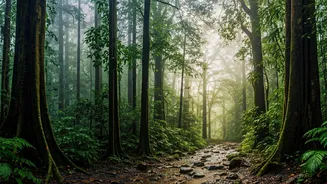
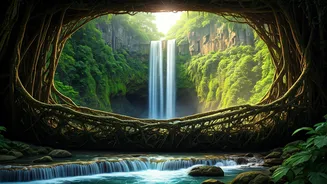
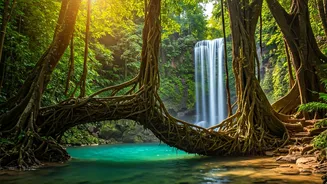
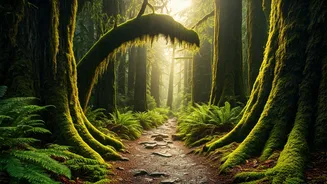
Before you even reach the most famous waterfalls, you must walk through a world of bio-engineered wonder: the living root bridges. These are not built, but grown. For centuries, the indigenous Khasi people have guided the aerial roots of the Ficus elastica tree across rivers and gorges, weaving them into functional, sturdy bridges that grow stronger over time. The most celebrated of these is the Jingkieng Nongriat, or the Double-Decker Living Root Bridge. Reaching it is a pilgrimage in itself, involving a descent of over 3,500 stone steps through dense tropical forest. The air is thick with humidity and the sound of insects. The trek is challenging, sweaty, and utterly worth it. Standing on a bridge made of living wood, with a clear blue stream rushing beneath your feet, is a humbling experience that far transcends any photo you might take. It’s a testament to sustainable engineering and a deep, patient harmony with nature.
A Cascade of Giants
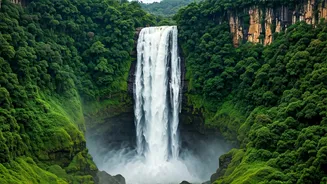
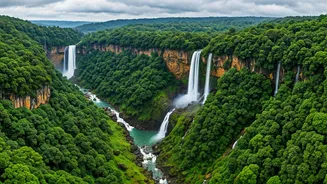
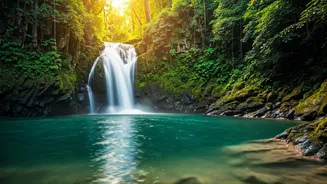
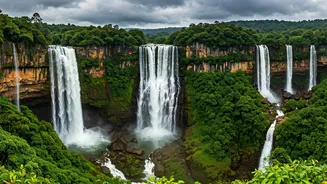
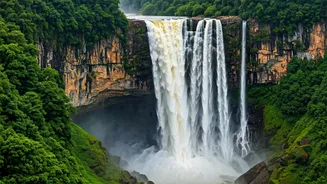
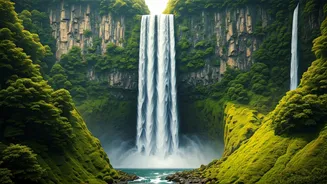
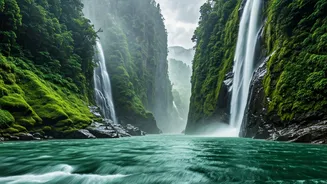
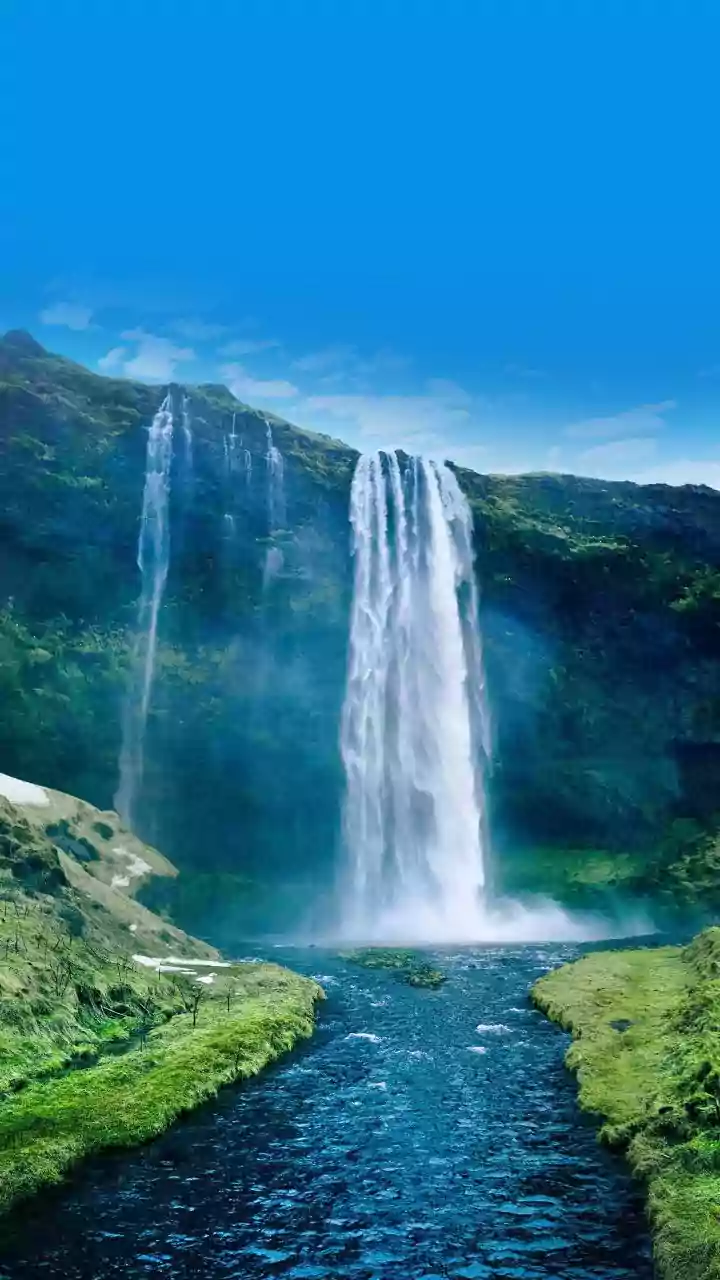
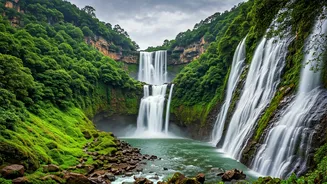
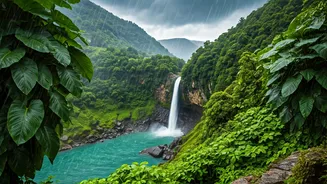
The living root bridges are the journey, but the waterfalls are the spectacular destination points. Cherrapunji is home to a roster of liquid giants. The most famous is Nohkalikai Falls, the tallest plunge waterfall in India. It drops over 1,100 feet from a verdant cliff into a turquoise pool below. The falls are named after a tragic local legend, adding a layer of somber poetry to their immense power. Nearby, the Nohsngithiang Falls, also known as the Seven Sisters Falls, presents a different kind of beauty. Here, seven distinct streams cascade side-by-side down a wide limestone cliff, creating a majestic curtain of water, especially during peak monsoon. Then there’s Dainthlen Falls, a wider, more sprawling cascade with its own fascinating folklore. Each waterfall offers a different personality, from the singular, roaring power of Nohkalikai to the elegant, panoramic sweep of the Seven Sisters.
How to Capture the Magic (And When to Go)
The phrase "Ready for Reels" is no exaggeration; the dynamic, flowing beauty here is perfect for video. But timing is everything. The monsoon season (June to September) is when the waterfalls are at their most ferocious and the entire landscape is shrouded in a mystical, atmospheric fog. However, trails can be dangerously slippery and the constant rain can make trekking miserable. The ideal window for most travelers is post-monsoon, from October to February. During these months, the skies are clearer, the trails are safer, and the waterfalls are still impressively full from the recent rains. The landscape is a vibrant, freshly washed green. Pack light, but pack smart: quick-dry clothing is a must, as is a waterproof jacket, sturdy hiking shoes with excellent grip, and a waterproof bag for your electronics. While your phone is great for capturing the view, be prepared for a workout. The treks are steep and demanding, but every step is rewarded with a sight more incredible than the last.